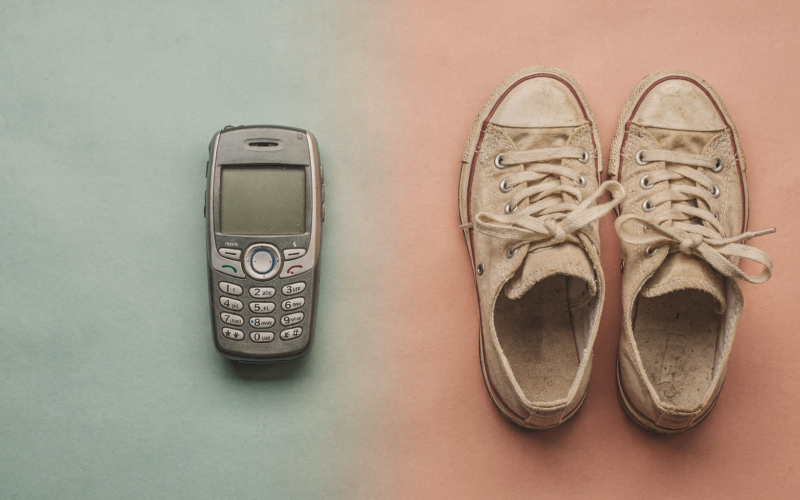
Scroll through any social feed right now and you will run into the same phrase over and over: 2026 is the new 2016. The viral trend has exploded across platforms, with users pointing out uncanny parallels between this year and a decade earlier. From music and fashion to internet culture, the comparison has struck a nerve, turning a simple observation into one of the biggest online movements of the year.
Here is what the 2026 is the new 2016 trend actually means, why it caught fire, and what it says about the way nostalgia now shapes our culture.
Where the Trend Started
Like many viral moments, this one began with people noticing a pattern. Users started drawing connections between the cultural landscape of 2026 and that of 2016, and the comparisons resonated widely enough to snowball into a full blown trend.
What began as scattered observations quickly gained momentum. As more people added their own examples, the phrase became shorthand for a shared feeling, and the trend took on a life of its own across every major platform. The genius of it is how easily anyone can participate, since everyone has their own memory of the earlier era to draw on and compare against the present moment.
The Music Connection
A big driver of the trend is music. Fans have noted that certain artists and sounds dominating 2026 echo the vibes of 2016, whether through comebacks, stylistic throwbacks, or the return of names that defined that earlier era.
Music has a powerful way of anchoring memory, so these parallels hit hard. When a familiar sound resurfaces or a beloved artist reclaims the spotlight, it can genuinely feel like stepping back in time, fueling the sense that history is repeating.
Fashion and Aesthetics Return
Style is another pillar of the comparison. Trends and aesthetics reminiscent of the mid 2010s have resurfaced, from clothing choices to visual styles, giving 2026 a look that many say feels strikingly familiar.
Fashion runs in cycles, so a revival was perhaps inevitable, but the timing has made it feel especially pointed. The reappearance of those looks adds visual weight to the trend, letting people literally see the parallels the phrase describes.
Internet Culture Echoes
The trend also taps into how online culture itself feels reminiscent of a decade ago. The rhythms of memes, the topics dominating conversation, and the overall energy of the internet have struck many as reminiscent of that earlier moment.
Those cultural echoes are harder to define but deeply felt. When the vibe of being online mirrors a previous era, it reinforces the comparison in a way that goes beyond any single song or outfit, capturing something about the collective mood.
Why Nostalgia Hits So Hard
At its core, the trend is about nostalgia, a force that shapes culture more powerfully than ever. Revisiting a familiar era offers comfort and a sense of connection, especially in fast changing times when the past can feel appealingly stable.
That emotional pull explains the trend’s reach. People are not just noting coincidences, they are tapping into feelings tied to a specific time in their lives, and that emotional resonance is what turns an observation into a movement.
The Role of Social Platforms
None of this would spread without social media, which supercharged the trend into a phenomenon. Short video clips, side by side comparisons, and shareable posts allowed the idea to travel fast and reach enormous audiences.
The highly visual, participatory nature of the trend made it perfect for platforms built on quick, engaging content. Anyone could add their own take, which kept the momentum building and turned the phrase into a genuine cultural touchstone almost overnight.
What It Says About Us
Beyond the fun, the trend reveals something about how we process time and change. The eagerness to compare the present to a familiar past suggests a craving for continuity and meaning in an era that often feels overwhelming and unpredictable.
It also reflects how cycles of culture keep accelerating, with revivals arriving faster than ever. The blending of eras has become a defining feature of modern life, and this trend captures that dynamic in a catchy, relatable package that anyone can join.
A Trend With Staying Power
Whether the comparison holds up under scrutiny almost misses the point. The trend has resonated because it feels true to enough people, and that shared feeling is what gives it real cultural weight and staying power.
As it continues to spread, 2026 is the new 2016 has become more than a passing meme. It is a lens through which people are viewing the year, and it fits neatly alongside the wave of nostalgia driven content filling everyone’s watchlists and feeds right now. The past, it seems, is very much present. And as long as people keep finding comfort in those familiar echoes, the trend shows every sign of sticking around well beyond a single viral cycle.
2026 Is the New 2016: Your Questions Answered
What does 2026 is the new 2016 mean?
It is a viral trend where people point out uncanny parallels between the culture of 2026 and 2016, spanning music, fashion, and internet culture.
Where did the trend start?
It began with users noticing patterns and drawing connections between the two eras, then snowballed into a full trend as more people added their own examples.
Why is music part of the trend?
Fans note that certain artists and sounds dominating 2026 echo 2016 through comebacks and throwbacks, and music powerfully anchors memory and emotion.
How does fashion factor in?
Styles and aesthetics reminiscent of the mid 2010s have resurfaced, giving 2026 a familiar look that adds visual weight to the comparison.
Why did the trend go viral?
Social media supercharged it through shareable clips and side by side comparisons, while its nostalgic, participatory nature made it easy for anyone to join.
What does the trend say about culture?
It reflects a craving for continuity and meaning, and it shows how cycles of nostalgia are accelerating, with revivals arriving faster than ever before.