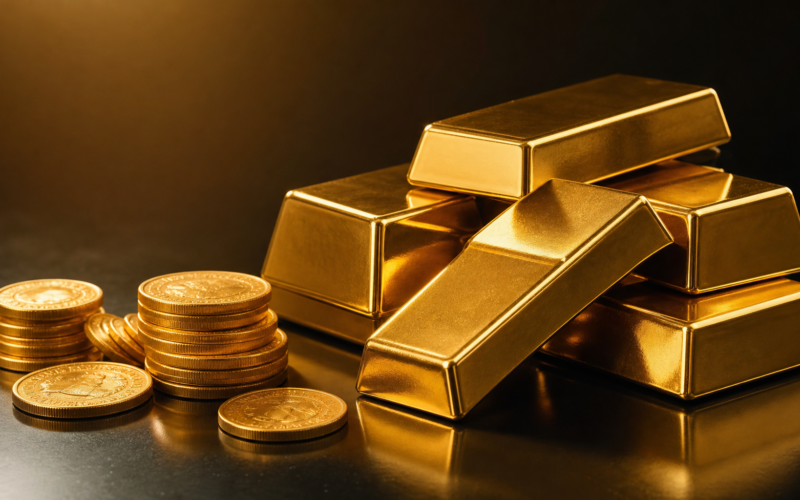
Gold has fascinated people for thousands of years, and even in a world of digital everything, its price still makes headlines almost daily. If you have ever wondered why news anchors report the closing price of a shiny metal with the same seriousness as jobs numbers, you are asking a good question. Gold occupies a strange and interesting place in the financial world. Here is a simple explanation of what it is, why it matters, and why so many people keep one eye on that daily close.
A Very Old Idea of Value
Long before paper money or bank apps, gold was money. It is rare, it does not rust or decay, and it can be divided and carried, which made it a natural way to store value across centuries and cultures. That deep history is part of why people still trust it. Even though we no longer trade gold coins at the market, the metal carries a kind of inherited credibility that newer assets simply do not have. It feels solid in a way that is hard to shake.
The Safe Haven Reputation
Gold is often called a safe haven, meaning people tend to move toward it when they feel nervous about the wider economy. When headlines fill with uncertainty, some investors seek something that feels steady and tangible, and gold has long played that role. This is why the gold price sometimes rises when other things are falling. It is less a bet on growth and more a kind of financial comfort blanket, which makes its daily movements a rough gauge of collective mood.
What Moves the Price
Several forces tug on the gold price at once. The strength of major currencies matters, since gold is usually priced in dollars, and interest rates play a big role because they change how attractive it is to hold something that pays no interest. Broad fear and demand from central banks and jewelry markets add their own pressure. Because so many factors overlap, the daily close reflects a tangle of influences rather than any single simple story.
Why the Daily Number Gets Attention
Because gold reacts to fear and uncertainty, its daily close works as a kind of thermometer for the financial world. Analysts watch it not just for its own sake but for what it hints about how people are feeling. A steady climb can suggest unease bubbling under the surface, while a calm, flat gold price often accompanies a more relaxed mood. That signaling role is why a metal with no earnings and no dividends still earns a daily headline.
Frequently Asked Questions
Why is gold called a safe haven? Because people tend to buy it during times of uncertainty, seeking something tangible and historically trusted. That behavior gives gold a reputation for holding up when other assets feel shaky.
Does gold pay interest or dividends? No. Gold produces no income on its own, which is one reason its appeal shifts as interest rates change. When other options pay more, holding a metal that pays nothing becomes relatively less attractive.
Why is gold usually priced in dollars? The dollar is the main currency of global trade, so gold is quoted in it worldwide. That link means a stronger or weaker dollar can nudge the gold price even when nothing about gold itself has changed.
Is a rising gold price a bad economic sign? Not always, but a sustained climb can hint that many people feel uneasy. It is one signal among many, so it is best read alongside other indicators rather than on its own.
Do I need to follow the gold price daily? Only if it interests you. For casual observers, the long term trend and the reasons behind big moves are far more informative than any single day’s close.
Related reading: For more on this, take a look at our guide to making sense of daily market moves without panic.
The Bottom Line
Gold endures because it carries thousands of years of trust and a reputation as a steady presence when everything else feels shaky. Its daily close is watched less for the metal itself and more for what it quietly says about how people are feeling. You do not need to own an ounce of it to find that fascinating. Once you understand the story behind the number, that little gold headline stops being background noise and starts being a window into the mood of the market.