Thai textiles are having a genuine fashion moment, and the hashtag carrying it, tied to Thai star Orm Kornnaphat, is turning centuries of craft into a global talking point. The campaign celebrating the legacy of Thai textiles is doing something clever: pairing one of the country’s most magnetic celebrities with the heritage fabrics her fame can put in front of the world.
It is soft power dressed in silk, and it is working. Here is why Thai textiles are trending, what makes them special, and how a single star can turn traditional craft into a fashion headline.
Why Thai Textiles Are Trending
The spark is a campaign built around Orm Kornnaphat, a Thai actress whose global fanbase treats her style choices as events. When a figure with that kind of reach steps into heritage fabrics, the fabrics themselves ride her visibility straight onto the trending list.
That is the whole strategy, and it is a smart one. Traditional craft often struggles to reach younger, global audiences on its own. Attach it to a beloved modern star, and suddenly the conversation is happening in exactly the places heritage industries usually cannot reach.
Who Orm Kornnaphat Is
Orm is one of the brightest names in Thailand’s booming entertainment scene, a leading actress whose profile has grown well beyond her home country. She has become a genuine fashion muse, comfortable moving between streetwear and high-end designer looks.
That range is exactly what makes her the right face for this. She can wear heritage textiles in a way that reads as current rather than costume, showing a young audience that traditional fabric belongs in a modern wardrobe, not a museum case.
What Makes Thai Textiles Special
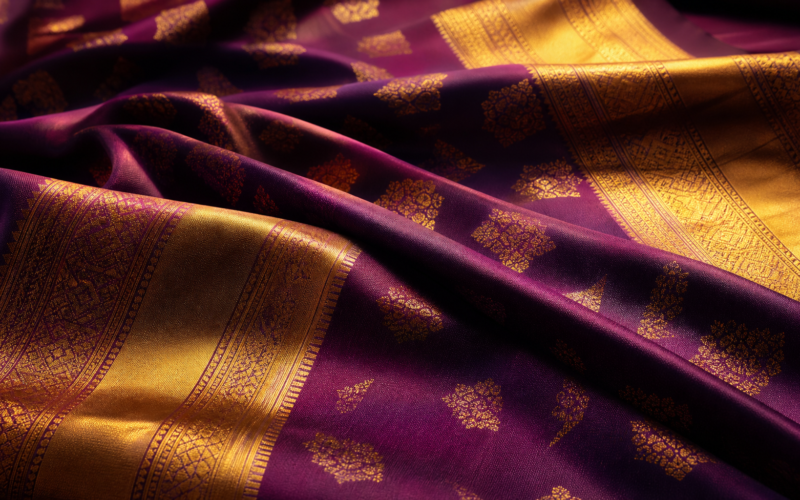
Thai textiles carry generations of technique, from handwoven silk to intricate regional patterns that each tell a story about where and how they were made. The craft is slow, skilled, and deeply tied to local identity, the opposite of fast fashion in almost every way.
That depth is the appeal. In a market flooded with disposable clothing, fabric with real history and human handwork stands out. Each piece is a small act of preservation, keeping alive skills that took lifetimes to refine and could vanish without new demand.
Heritage Craft Meets Modern Style
The magic of this campaign is in the blend. It is not asking anyone to dress in traditional costume. It is showing how heritage textiles can be cut, styled, and worn in ways that feel fresh, wearable, and unmistakably now.
That translation is where a lot of heritage revivals succeed or fail. Lean too hard into tradition and it reads as a history lesson. Modernize it thoughtfully, and you give an ancient craft a real future in contemporary closets. This campaign lands firmly on the modern side.
The Soft-Power Play
Countries have long used culture as an export, and Thailand has been especially effective at it lately, sending its stars, its shows, and now its textiles out into the world. Fashion is a natural vehicle, because clothing travels, gets photographed, and spreads.
When a Thai star wears Thai craft to a global audience, the country’s cultural profile rises along with the clothes. It is a quiet, stylish form of national branding, and it turns a fabric tradition into an ambassador that reaches further than any tourism ad could.
Why This Matters Beyond One Campaign
Moments like this can ripple outward. Renewed attention on heritage textiles can mean more demand for artisans, more interest from designers, and more young people seeing traditional craft as something worth learning rather than leaving behind.
The Thai entertainment wave is a big part of what makes this possible, giving heritage industries a megaphone they never had before. Our look at Thai dramas conquering global streaming shows how deep that cultural export really runs.
How To Appreciate Heritage Fabric
You do not need a celebrity budget to engage with this. Learning to recognize handwoven quality, understanding what regional patterns mean, and choosing pieces made by real artisans are all ways to support the craft rather than the knockoff.
The broader lesson is a good one for any wardrobe: value the story and the workmanship, not just the label. A single well-made heritage piece can outlast and outshine a closet full of fast fashion, and it carries a history no mass-produced item can match.
A Craft With A Bright Future
Thai textiles trending is more than a fleeting hashtag. It is proof that heritage craft, paired with the right modern voice, can command a global stage. Orm’s star power is the spotlight, but the fabric is the story, and it is a story centuries in the making.
If this moment nudges even a slice of that global audience to value handwoven tradition, the campaign will have done something that outlasts any single trend. That is the quiet win hiding inside a very stylish headline.
Thai Textiles In Fashion: Your Questions Answered
Why are Thai textiles trending?
A campaign pairing star Orm Kornnaphat with heritage Thai fabrics put centuries-old craft in front of her large global fanbase, sending it onto the trends.
Who is Orm Kornnaphat?
She is a leading Thai actress and fashion muse whose global following and versatile style make her an ideal face for showcasing heritage textiles to young audiences.
What makes Thai textiles special?
They carry generations of technique, from handwoven silk to intricate regional patterns, each piece reflecting local identity and slow, skilled human craftsmanship.
Can heritage fabric be modern?
Yes. Styled thoughtfully, traditional textiles can be cut and worn in fresh, contemporary ways that feel current rather than like a costume.
What is soft power in fashion?
It is using culture, like clothing and craft, to raise a country’s global profile. A Thai star wearing Thai textiles spreads the country’s cultural influence stylishly.
How can I support heritage textiles?
Learn to recognize handwoven quality, understand regional patterns, and buy pieces made by real artisans, valuing workmanship and story over fast-fashion labels.