
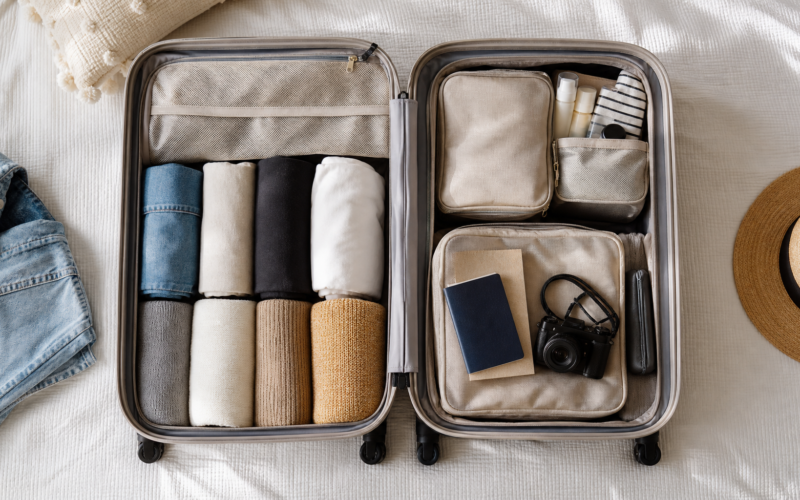
Packing is the part of travel that manages to be both trivial and stressful at the same time. Nobody wants to spend their trip thinking about it, yet the wrong approach leads to lugging an overstuffed suitcase full of clothes you never wear, or worse, arriving somewhere without the one thing you actually needed. The travelers who make it look easy are not gifted with some special talent. They pack from a repeatable system rather than throwing things in a bag the night before and hoping for the best.
A good packing checklist is not just a long list of items. It is a method that starts with how you think about the trip and ends with a bag that holds everything you need and nothing you do not. What follows is that method, along with the essentials worth remembering, organized so you can adapt it to any trip rather than following it blindly.
Start with a plan, not a pile
The most common packing mistake happens before a single item goes into the bag, and it is packing for a fantasy version of your trip rather than the real one. Look honestly at where you are going, how long you will be there, the weather you can actually expect, and the specific activities on your itinerary. A weekend of city walking calls for very different things than a week at the beach, and dressing for the trip you are truly taking is what keeps you from hauling around a formal outfit you will never put on.
From there, plan your outfits rather than your individual garments. Choosing a small palette of colors that mix and match lets a handful of pieces combine into many looks, which is the single most powerful trick for packing light without feeling repetitive. A few tops, a couple of bottoms, and one layer in coordinating colors can carry you through a surprising number of days.
The essentials, by category
Clothing is where people overpack most, so build it around versatile layers you can add or remove as the weather shifts, and be ruthless about the just-in-case items that rarely earn their place. For toiletries, travel-sized versions of your basics keep things compact, and remembering any prescription medications is far more important than the shampoo you can buy anywhere. Keep those medications, along with a spare change of clothes, in your carry-on rather than your checked bag, so a delayed suitcase does not derail your trip.
The category that causes the most genuine trouble when forgotten is documents and money. Your identification, any required travel documents, payment cards, and a small amount of local currency belong somewhere secure and easy to reach. For electronics, the charger you forget is the one you need most, so a simple habit of gathering every charging cable and a portable battery pack the night before saves a lot of frustration. A universal adapter is essential for international trips, where your plugs will not otherwise fit the wall.
Pack the bag the smart way
How you load the bag matters almost as much as what goes in it. Rolling clothes rather than folding them saves space and tends to cause fewer wrinkles, and packing cubes take that further by keeping categories separated so you are not excavating the whole suitcase to find one shirt. Heavier items like shoes belong at the bottom near the wheels, which keeps the bag stable, and stuffing socks and small items inside your shoes reclaims space that would otherwise go to waste.
Leaving a little room is a deliberate choice, not an oversight, because a bag packed to bursting has no space for the things you will inevitably acquire along the way. Souvenirs, a new purchase, or simply the reality that clothes never repack quite as neatly as they came all argue for a bit of breathing room.
Know the carry-on rules before you go
Nothing sours the start of a trip like being stopped at security, and the rules are easy enough to plan around once you know them. Liquids in your carry-on must generally fit within small containers gathered in a clear bag, so anything larger belongs in checked luggage or should be bought at your destination. Sharp objects and certain other items are not allowed in the cabin at all. Because these rules are specific and occasionally change, checking the current guidance from the Transportation Security Administration at TSA.gov before you pack removes any guesswork and keeps the line moving.
Frequently asked questions
How do I pack light for a trip?
Start by planning outfits in a small palette of colors that mix and match, so a few pieces create many looks. Choose versatile layers over bulky single-purpose items, wear your heaviest shoes and jacket on travel days, and be honest about the just-in-case items you are unlikely to use. Rolling clothes and using packing cubes helps everything fit in a smaller bag.
What should I always keep in my carry-on?
Keep anything you cannot easily replace or would badly miss if your checked bag were delayed. That means medications, important documents, identification, payment cards, your phone and chargers, a spare change of clothes, and any valuables. Packing these essentials in the bag that stays with you protects your trip from the occasional reality of lost or delayed luggage.
How many outfits should I pack for a week?
Fewer than most people think. A week is very manageable with roughly four to five tops, two or three bottoms, and one or two layers, all in coordinating colors so they combine freely. Planning to do a small load of laundry midway through a longer trip lets you pack even lighter without running out of clean clothes.
What can I not bring through airport security?
Liquids over the small permitted size in your carry-on, sharp objects, and certain restricted items are not allowed in the cabin. Rules vary by country and change over time, so the safest move is to check the current list from your airport’s security authority before you pack. In the United States, the TSA website maintains a searchable guide of what you can and cannot bring.
Pack once, travel easy
A reliable packing method turns the most tedious part of travel into a five-minute routine. Plan for the trip you are actually taking, build around versatile pieces, load the bag smartly, and know the security rules before you reach the airport. With the packing handled, you can turn your attention to the fun part, whether that is finding a cheap flight or planning a weekend getaway. Find more trip-planning help in the Travel section.