
The most memorable trips are not always the most expensive ones. Some of the best travel experiences happen in places that quietly deliver stunning scenery, rich culture, and unforgettable food for a fraction of what the famous, crowded destinations charge. The trouble is that the affordable gems rarely dominate the glossy advertisements, so they take a little more knowing to find. Once you know where to look and how to judge real value, a modest budget stretches remarkably far.
What makes a destination genuinely budget-friendly is not just cheap flights, which come and go, but a low cost of living once you arrive. In the right places, your daily spending on food, lodging, and local transport is so reasonable that the trip pays for itself in savings compared to a week in a pricey capital. These are the regions and the reasoning that help you find them.
Southeast Asia remains the gold standard
For sheer value, few regions compete with Southeast Asia, where a traveler’s budget goes further than almost anywhere on earth. Countries like Thailand, Vietnam, Cambodia, and Indonesia pair extraordinarily low daily costs with warm weather, striking landscapes, and some of the best street food in the world. A comfortable day of eating well, sleeping in a pleasant guesthouse, and getting around can cost less than a single restaurant dinner back home.
Beyond the price, the appeal is the range. You can wander ancient temples in the morning, ride a boat through a floating market in the afternoon, and end the day on a quiet beach, all without straining a modest budget. The main cost is the flight to get there, which is exactly why the flexible-date and regional searches that uncover a good fare matter so much for this part of the world.
Central and Eastern Europe for history without the price
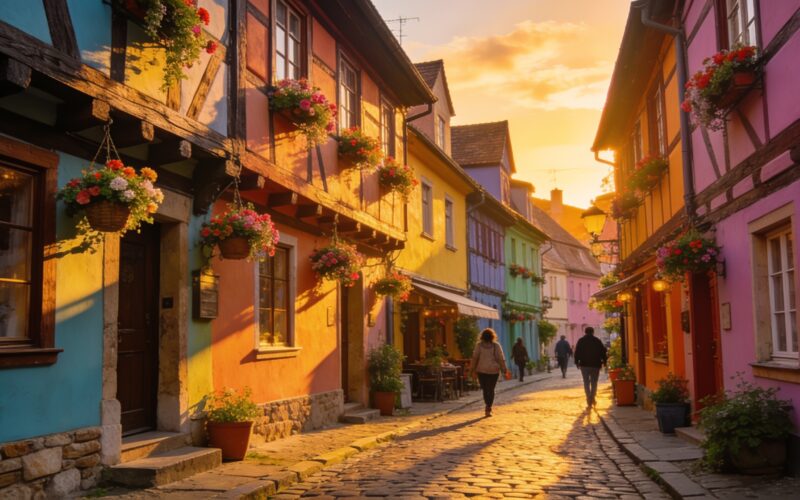
Travelers who dream of European cobblestones and cafe culture but blanch at Western European prices should look east. Cities in countries like Poland, Hungary, the Czech Republic, Romania, and Portugal offer the history, architecture, and atmosphere people cross oceans for, at a noticeably gentler cost than Paris or Rome. You can linger over a good meal, stay somewhere central, and visit centuries-old landmarks without the constant sense of the meter running.
These destinations reward slow travel. Because daily costs are lower, you can afford to stay longer and go deeper, trading the exhausting checklist approach for the kind of unhurried wandering that turns a trip into a memory. Excellent and inexpensive rail and bus connections also make it easy to string several cities together into one affordable journey.
Latin America for landscape and culture
Closer to home for many North American travelers, parts of Latin America deliver dramatic scenery and deep culture at a friendly price. Countries like Mexico beyond its resort zones, Guatemala, Colombia, and Peru offer everything from colonial cities and ancient ruins to mountains, jungle, and coastline, often for daily costs well below what a comparable trip elsewhere would demand. Shorter flight times from the Americas also help keep the largest single expense in check.
The value here extends to the experiences themselves, since guided treks, cooking classes, and cultural tours tend to cost a fraction of their equivalents in pricier regions. That means the budget you save on food and lodging can go toward the kind of once-in-a-lifetime activities that make a trip.
How to judge whether a destination is truly affordable
A little research protects you from the trap of a cheap flight to an expensive place. Before committing, look up the rough daily cost of the things you will actually spend on, which is meals, a night’s lodging in the style you prefer, and local transport. Compare that against the flight, because a bargain fare to a costly city can end up pricier overall than a slightly dearer flight to a place where every day on the ground is inexpensive.
Timing shapes affordability as much as geography. Visiting in a destination’s shoulder season, just outside its busiest and most expensive months, often means better weather deals and thinner crowds. And a favorable exchange rate can quietly transform your buying power, so it is worth a moment’s checking before you decide. For entry requirements, safety information, and practical guidance on any country, the U.S. State Department’s travel resource is the authoritative place to look.
Frequently asked questions
What is the cheapest region in the world to travel?
Southeast Asia is widely regarded as the best value, with countries like Thailand, Vietnam, and Cambodia offering very low daily costs for food, lodging, and transport. Once you have covered the flight to get there, your day-to-day spending can be remarkably small, which is why the region is a perennial favorite among budget-minded and long-term travelers alike.
How do I know if a destination is actually affordable?
Look past the flight price and research the daily cost of living, meaning what you will spend on meals, lodging, and getting around once you arrive. A cheap flight to an expensive city can cost more overall than a pricier flight to a place where every day is inexpensive. Checking the exchange rate and traveling in the shoulder season further stretch your budget.
Is it cheaper to travel in Europe’s east or west?
Central and Eastern Europe are generally far more affordable than Western Europe while still offering rich history, architecture, and culture. Cities in countries like Poland, Hungary, and the Czech Republic let you experience classic European travel, including central lodging and good food, at a noticeably lower cost than destinations like Paris, London, or Rome.
When is the cheapest time to travel?
The shoulder seasons, the quieter windows just before and after a destination’s peak, usually offer the best combination of lower prices, thinner crowds, and pleasant weather. Avoiding major holidays and school vacation periods also helps significantly. Being flexible with your dates is the surest way to catch a destination at its most affordable.
Go further for less
A limited budget is not a limit on adventure. By looking toward regions where your money stretches, judging real daily costs rather than just flight prices, and timing your trip to avoid the crowds, you can travel richly without spending a fortune. When you have picked a spot, our guides on finding cheap flights and building the perfect packing checklist will get you there smoothly. Explore more in the Travel section.