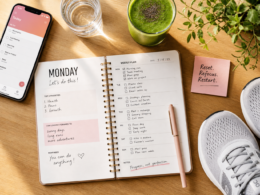

How you start your morning has an outsized effect on the hours that follow. Rush out the door in a scramble and the whole day feels reactive. Begin with a few small, deliberate actions and you carry a quiet sense of control into everything else. These little routines are what some people call morning anchors, and the beauty of them is that they take almost no time. You do not need an elaborate two hour ritual to change your day.
Why Small Anchors Work
A morning anchor is a tiny, repeatable action that signals to your brain that the day has begun on your terms. It works because it is consistent and low effort, which means you actually do it even on tired or busy mornings. Unlike grand resolutions that collapse after a week, a small anchor is easy to sustain. Over time these little cues add up to a reliable sense of momentum that makes the rest of the day feel more manageable.
Start Before You Touch Your Phone
The single most powerful anchor is a small buffer between waking and reaching for your phone. The moment you start scrolling, you hand your attention over to everyone else’s agenda. Even five minutes of screen free time, spent stretching, drinking water, or simply sitting quietly, lets you begin the day as yourself rather than reacting to a feed. Protect that little window and everything downstream tends to feel calmer.
Pick One Physical Cue
Attach your anchor to something physical so it is easy to remember. Making the bed, opening the curtains for natural light, or a couple of minutes of gentle movement all work well. The specific action matters less than the consistency. A physical cue done at the same time each morning becomes automatic, and that automaticity is exactly what frees up your willpower for the harder decisions later in the day.
Set an Intention, Not a To-Do List
Before the day fills up, take thirty seconds to name one thing that would make it feel like a good day. This is different from a task list. It is a single guiding intention, like being patient or finishing one meaningful thing. That small act of aiming gives your day a center of gravity, so that when things get busy and chaotic, you still have a quiet sense of what actually matters most.
Frequently Asked Questions
How long should a morning routine be? It can be as short as five minutes. Small, consistent anchors beat long routines you cannot keep up, so start tiny and let it grow only if you want it to.
Why does checking my phone first thing hurt? It immediately hands your attention to notifications and other people’s demands, putting you in a reactive mode before you have set your own intentions for the day.
What if I am not a morning person? Anchors are designed to be tiny, so they work even for reluctant risers. One glass of water and opening the curtains ask very little, yet still shift how the day begins.
How long until a new anchor feels automatic? Usually a few weeks of consistency. Tying the anchor to something you already do every morning speeds up how quickly it turns into a habit.
Can I have more than one morning anchor? Yes, but add them slowly. Master one until it is effortless before stacking on another, so the routine stays easy rather than becoming a burden you dread.
Related reading: For more on this, take a look at our guide to beating the almost-weekend slump.
The Bottom Line
You cannot control everything a day throws at you, but you can control how you begin it. A few small morning anchors, done consistently, quietly shape your mood, focus, and sense of agency for hours afterward. Start with one tiny action tomorrow, keep it simple, and let it become automatic. The payoff is a day that feels a little more like yours, which over weeks and months adds up to a life that does too.