Blackpink trending yet again is a reminder that K-pop stopped being just music a long time ago. It is one of the most influential fashion engines on the planet, turning stage looks into street trends faster than any traditional runway. The interesting part for the rest of us is how much of that stage drama actually translates to a normal wardrobe, if you know what to borrow and what to leave on stage.
How K-pop became a fashion force
Idols now sit front row at couture shows and headline global campaigns for the biggest luxury houses. That pipeline runs both ways: stage stylists pull from high fashion, and high fashion borrows the boldness back. The result is a look that feels expensive and experimental at once, which is exactly why it spreads so quickly online.
The stage-to-street translation
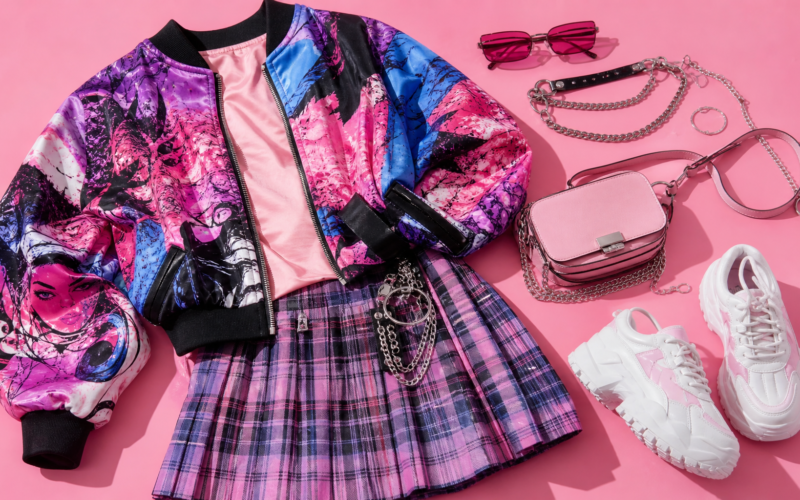
Stage outfits are built for stadiums and cameras, so they exaggerate everything. The skill in wearing the trend day to day is dialing the volume down while keeping the attitude. Take one bold element from a performance look, a statement sleeve, a graphic layer, a striking color, and build a wearable outfit around it rather than copying the whole thing.
Mixing high and low
One signature of the aesthetic is fearless mixing of luxury and affordable pieces. A designer bag with thrifted denim. A high-street blazer with a single elevated accessory. This high-low blend is genuinely democratic, because it means one considered investment piece can anchor an outfit built mostly from budget items. That is a lesson worth keeping long after the trend fades.
Layering as a language
K-pop styling treats layering as expression rather than just warmth. Sheer over solid, long over short, structured over soft. The trick is varying proportion and texture so the layers read as intentional rather than cluttered. Start with two contrasting layers and add a third only if it earns its place, otherwise the look tips into chaos.
Color and print without fear
The palette runs bold, from candy brights to sharp monochrome. If bright color feels intimidating, start with a single vivid piece against neutrals and let it be the whole statement. Prints work the same way. One eye-catching pattern anchored by solid basics is far more wearable, and frankly more chic, than head-to-toe print.
Accessories do the heavy lifting
Much of the K-pop look lives in the details: chunky boots, layered jewelry, statement bags, hair accessories, and eyewear. Accessories are the easiest and cheapest entry point because they transform a plain base outfit instantly. If you want to test the aesthetic without overhauling your closet, this is where to start. Our look at the shift away from quiet luxury tracks the same move toward bolder, more expressive dressing.
Gender-fluid styling
K-pop fashion has been quietly dismantling rigid gender rules for years. Male idols wear pearls, skirts, and sheer fabrics, and it reads as powerful rather than provocative. That openness has pushed the wider culture toward dressing for self-expression over convention, and it is one of the more genuinely progressive influences the genre has had on style.
Making it your own
The point is not to become a copy of an idol. It is to borrow the confidence. Take the boldness, the willingness to mix and layer and play with proportion, and filter it through your own life and body. The trend will move on, as trends do, but the permission to dress with a little more courage is worth keeping.
Frequently Asked Questions
Can I wear K-pop-inspired fashion to work?
Yes, in a toned-down form. Borrow one bold element and pair it with clean, professional basics rather than recreating a full stage look.
Do I need designer pieces to pull it off?
No. The aesthetic thrives on high-low mixing, so one considered piece anchored by affordable items works beautifully and is truer to the actual approach.
What is the easiest way to start?
Accessories. Chunky boots, layered jewelry, or a statement bag transform a plain outfit instantly and require no wardrobe overhaul.
How do I wear bold color without feeling costumey?
Anchor a single vivid piece with neutral basics and let it be the focal point. One bold element reads as intentional, while head-to-toe color can overwhelm.
Is layering hard to get right?
Start with two contrasting layers in different textures or lengths and add a third only if it clearly improves the look. Restraint keeps it sharp.
Is this style only for young people?
Not at all. The confidence and high-low mixing translate to any age. Adjust the boldness to your comfort and the principles still work.