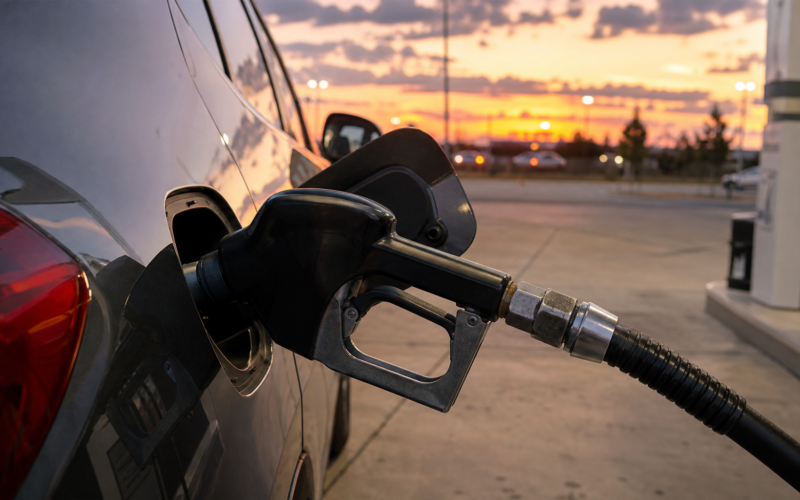
Gas prices are climbing again, and as always, the politics have arrived faster than any real explanation. A recent interview in which Transportation Secretary Sean Duffy pointed to the previous administration drew sharp backlash, reigniting a familiar Washington ritual: each party blaming the other for what drivers feel at the pump. The finger-pointing is loud, but the actual causes of gas prices are more complicated, and less partisan, than the debate suggests.
Here is what is actually driving prices up, why the political blame game rarely matches the economics, and how to think about it all with a clearer head.
The Political Blame Game, Explained
When prices rise, the party out of power blames the party in power, and the party in power often points backward at its predecessor. That pattern holds regardless of who occupies the White House, which is a clue in itself. Both sides have run this play, and both have faced the same accusation of dodging responsibility.
The recent flare-up, with an administration official blaming the prior one and critics firing back, is simply the latest version. It makes for heated television, but it tells you very little about why a gallon of gas costs what it does today.
How Much Control Presidents Actually Have
Here is the part both sides tend to downplay: economists broadly agree that presidents have limited direct control over gas prices in the short term. The price at the pump is set by global markets far larger than any single administration’s policy choices.
That does not mean policy is irrelevant. Decisions on drilling, regulation, reserves, and trade can matter at the margins and over time. But the day-to-day swings that dominate headlines are driven mostly by forces no president can flip like a switch, which is why the blame game so often misses.
What Really Moves Gas Prices
The single biggest factor is the price of crude oil, which is set on global markets and makes up the largest share of what you pay. When crude rises, gas follows, and crude responds to worldwide supply and demand rather than to any one country’s politics.
Decisions by major oil-producing nations and groups to raise or cut output can swing global supply significantly. Those choices, made abroad, often have more impact on your local pump price than anything happening in Washington, a reality that gets lost in domestic debates.
The Role Of Refineries And Seasons
Beyond crude, the refining step matters. Refineries turn oil into gasoline, and when they go offline for maintenance, accidents, or weather, supply tightens and prices rise. Refining capacity is a real bottleneck that has little to do with partisan policy.
Timing plays a part too. Demand typically climbs in summer as people travel, and seasonal blend requirements can add costs. These predictable, recurring factors push prices around every year, independent of who is in office or what they are saying about it.
Geopolitics And Global Shocks
Oil is a global commodity, so events far from home ripple straight to the pump. Conflicts, sanctions, natural disasters, and instability in oil-producing regions can spike prices quickly, sometimes overnight, and no domestic policy can fully insulate drivers from those shocks.
This is why prices can jump even when nothing has changed in the United States. A disruption thousands of miles away can tighten global supply, and markets price that risk in immediately. It is one of the clearest examples of how little any single leader controls the number on the sign.
Why The Debate Stays So Heated
If the causes are largely global, why does the argument never cool down? Because gas prices are one of the most visible costs in daily life. Drivers see them every day on giant signs, which makes the pump a powerful political symbol regardless of what economics says.
That visibility makes gas prices irresistible for scoring points. Both parties know voters feel it, so both reach for the issue when it helps them. The tactic is bipartisan even when the rhetoric is not, and understanding that can help cut through the noise, much like understanding the debates over government spending.
How To Read The Next Price Swing
The next time prices move and the blame starts flying, a few questions cut through the spin. What is crude oil doing globally? Are major producers changing output? Are refineries running normally? Is there a geopolitical shock in play? Those factors explain most of what you see.
None of that means policy never matters or that leaders deserve no scrutiny. It means the honest answer is usually complicated and shared across many forces, not a simple story of one party’s success or another’s failure. A clear head beats a partisan reflex here.
What Drivers Can Actually Do
While the political debate rages on, individual drivers have more practical options than the shouting suggests. Apps and websites that compare local prices can reveal meaningful differences between nearby stations, and small habits like steady driving, proper tire pressure, and regular maintenance improve fuel efficiency over time.
Timing can help too, since prices sometimes vary by day of the week and by neighborhood. None of this changes the global forces setting the baseline, but it puts a little control back in the hands of consumers who cannot do anything about crude markets or refinery outages. Focusing on what you can influence beats waiting for Washington to fix the pump.
Rising Gas Prices: Your Questions Answered
Why are gas prices rising?
Mostly because of global crude oil prices, along with refinery conditions, seasonal demand, and geopolitical events, rather than any single domestic policy.
Can the president control gas prices?
Only to a limited degree. Economists broadly agree presidents have little short-term control, since pump prices are set by global markets larger than any one administration.
What is the biggest factor in gas prices?
The price of crude oil, set on global markets, makes up the largest share of what drivers pay, so when crude rises, gasoline generally follows.
Why do both parties blame each other?
Gas prices are highly visible and felt daily, making them a powerful political symbol, so whichever party is out of power tends to blame the one in charge.
How do refineries affect prices?
Refineries turn crude into gasoline, and when they shut down for maintenance, accidents, or weather, supply tightens and prices can rise regardless of policy.
How should I interpret the blame game?
Treat it skeptically. Check what crude oil, global producers, refineries, and geopolitics are doing, since those forces explain most price swings better than partisan claims.