
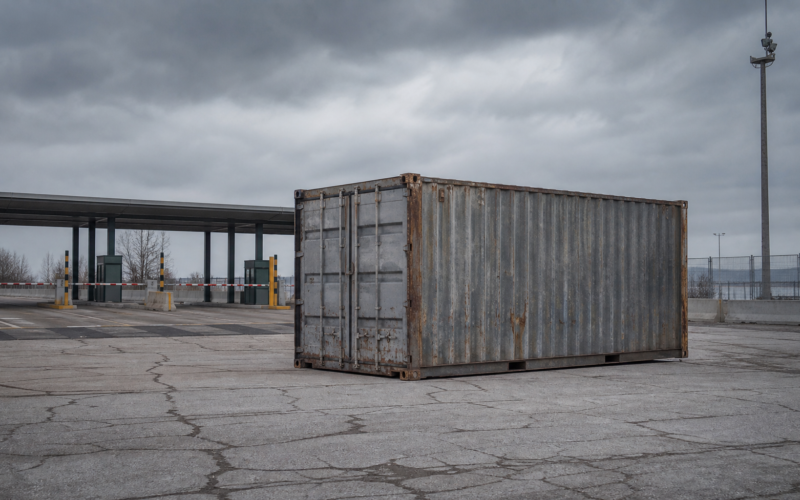
Trade talks between the United States and Canada collapsed late Friday night, and new American tariffs of 50 percent on a wide band of Canadian goods took effect early Saturday morning. Prime Minister Mark Carney suspended negotiations minutes before the deadline and said Canada will match the measures dollar for dollar.
The two sides are not even describing the same failure. US Trade Representative Jamieson Greer pointed at what he called last minute Canadian demands. Carney said the American side changed terms late in the process and described the final offer as unfair and uneconomic. Neither characterization has been independently tested, and both governments have obvious reasons to control the story.
What Took Effect and When
The tariffs went live in the early hours of Saturday, August 22. That timing matters because several early reports circulated conflicting effective dates, and the Canadian outlets closest to the story have been consistent that Saturday is the day.
The scale is less settled. Reporting on the value of Canadian exports caught by the measures ranges from roughly 20 billion to roughly 28 billion dollars depending on the outlet, which usually signals different assumptions about which product lines are included rather than a factual dispute.
What Got Hit and What Did Not
Energy, potash and critical minerals were carved out. That exclusion list is the most revealing part of the package, because it tells you what the American side considers too painful to tax on its own economy. Fertilizer, fuel and mineral inputs feed directly into US farming and manufacturing costs.
What did get hit reads like a list chosen for visibility as much as leverage. Cement, liquor, plywood, electrical equipment and hockey gear are all on it. The last item is doing something other than economics, and nobody in Ottawa missed the message.
Carney’s Retaliation Promise
Carney’s language was unusually direct for a leader who has spent much of this dispute trying to keep the temperature down. Matching dollar for dollar is a commitment that leaves little room for a quiet climbdown, and it sets an expectation his own political coalition will hold him to.
Ontario Premier Doug Ford, whose province absorbs a large share of the cross border manufacturing relationship, publicly backed retaliation. Provincial support matters here because Canadian counter measures in past rounds have leaned on provincial liquor boards and procurement rules as much as on federal tariff schedules.
Who Actually Pays
This is the part that gets lost in the coverage. A tariff is collected from the importer, which means American companies bringing Canadian cement or plywood across the border write the check. Whether that cost lands on the exporter, the importer or the customer depends entirely on who has room to absorb it.
In practice it usually splits, and the split moves over time. Exporters cut prices to keep volume, importers eat some margin, and the remainder shows up at the register. For construction inputs like cement and plywood, the pass through tends to be fast because the buyers are contractors working on thin margins and fixed bids.
The Construction Exposure
Cement and plywood are the two line items with the clearest domestic consequence. Both feed housing, and housing costs are already a live political problem on both sides of the border. A 50 percent duty on an input that crosses the border in volume does not stay invisible for long.
The lag is the thing to watch. Materials already in US warehouses were bought at pre tariff prices, so the first few weeks look normal. The effect shows up when that inventory turns over, which is why the honest answer about consumer prices is that nobody will know for about a month.
Why Talks Failed at the Line
Negotiations that collapse at the deadline usually do so because one side concluded the available deal was worse than no deal. Both governments are now telling that story about the other, and the specific sticking points have not been made public in any detail.
Personality reportedly played a role. Commerce Secretary Howard Lutnick was in the room for the final hours, and coverage has described friction between him and Canadian officials, partly rooted in a longstanding dispute over the Gordie Howe International Bridge. That is reporting rather than confirmation, and it should be read that way.
What Comes Next
Three things follow. Canada has to publish its retaliatory list, which is where the actual escalation risk lives. Affected American importers will start filing for exclusions, a process that quietly determines how much of the tariff schedule survives contact with reality. And both sides will look for a face saving return to the table.
The economics of this are not new territory. Companies have already learned how to book, contest and sometimes reclaim tariff costs, a dynamic our coverage of Target’s tariff refund laid out in detail.
What to Watch This Week
Watch the Canadian counter list first, because its composition tells you whether Ottawa is aiming for symbolic pain or economic pain. Watch cement and lumber futures for the fastest price signal. And watch whether the energy and minerals carve outs hold, because pressure to expand or narrow them will start immediately.
The broader question is whether this is a durable policy or a negotiating posture with a short shelf life. Tariffs imposed at a deadline have historically been easier to announce than to sustain, and the exclusion list is where that gets tested.
Frequently Asked Questions
When did the tariffs take effect?
Early Saturday morning, August 22, 2026, after talks collapsed late Friday night. Some early reports carried conflicting dates, but Canadian outlets closest to the story have been consistent on Saturday.
What Canadian goods are affected?
Cement, liquor, plywood, electrical equipment and hockey gear are among the named categories. Energy, potash and critical minerals were exempted.
How much Canadian trade is covered?
Estimates range from roughly 20 billion to 28 billion dollars in annual exports depending on the outlet, a spread that reflects different assumptions about which product lines count rather than a factual dispute.
Will Canada retaliate?
Carney said Canada will match the measures dollar for dollar, and Ontario Premier Doug Ford publicly backed retaliation. The specific Canadian counter list has not been published yet.
Who pays a tariff?
The importer pays it at the border, meaning American companies buying Canadian goods. The cost then splits between exporter, importer and customer depending on who has margin to absorb it.
Will this raise US prices?
Probably, with a lag. Goods already in US warehouses were bought pre tariff, so the effect appears when that inventory turns over. Cement and plywood are the likeliest early movers.