Pennsylvania has recorded the first two measles deaths in the United States this year, and the state’s first in 35 years. Both people were unvaccinated. The announcement came Tuesday.
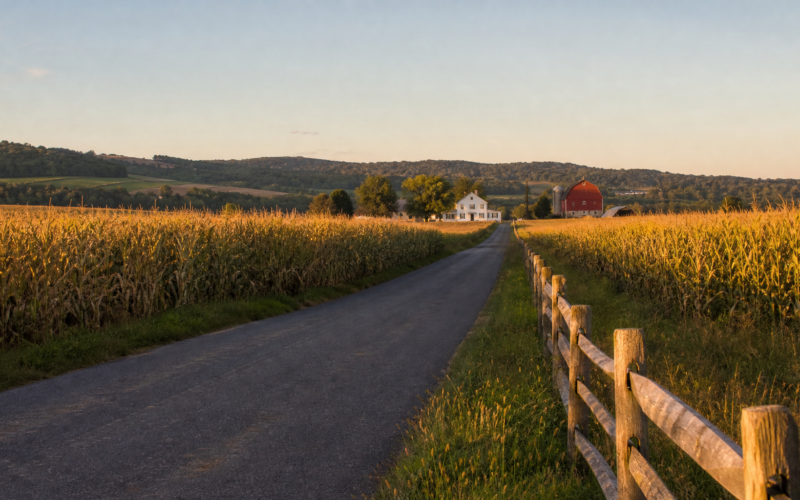
Pennsylvania has 393 confirmed cases. Lancaster County alone accounts for 185 of them, and county health officials say cases are predominantly within the Plain community, meaning Amish and conservative Mennonite families.
Why Measles Kills
Most people who get measles recover. The danger comes from complications, primarily pneumonia and encephalitis, which is inflammation of the brain. Roughly one in a thousand cases develops encephalitis and a comparable share of cases in developed countries end in death.
There is also a rare, delayed and invariably fatal complication called subacute sclerosing panencephalitis, which can appear years after apparent recovery. It is the reason infectious disease physicians treat measles as considerably more serious than its reputation as a childhood rash suggests.
The Adult Case Numbers Are Unusual
Nearly two thirds of Pennsylvania’s cases are in adults aged 18 to 49, and 52 people have been hospitalized. That distribution is not what most people expect from a disease they think of as pediatric.
It reflects where the immunity gaps are. Communities with low vaccination rates produce unvaccinated adults as well as unvaccinated children, and adults tend to have worse outcomes with measles than young children do.
Why It Spreads So Efficiently
Measles is among the most contagious diseases known. It travels through the air and remains infectious in a room for up to two hours after an infected person has left it.
One case in a susceptible population typically produces twelve to eighteen more. That number is why measles requires roughly 95 percent community vaccination to stop circulating, a far higher threshold than most other diseases, and why a small drop in coverage produces an outsized outbreak.
The National Picture
The United States has recorded 2,777 cases as of August 20, already past the 2,289 recorded across all of 2025. That trajectory is the context these deaths sit inside.
Governor Josh Shapiro has noted that vaccine exemption requests in Pennsylvania have tripled over a decade. Federal vaccine policy has also been in motion, as our coverage of the HHS request for information on recommendations described.
What the Plain Community Detail Means
It requires care. Amish and conservative Mennonite communities do not have a doctrinal prohibition on vaccination, and vaccination rates within them vary considerably by settlement and by family.
What they do have is lower baseline coverage, tight social networks that transmit efficiently, and less routine contact with the medical system. Public health responses that work in these communities are built on existing relationships and trusted local intermediaries, not on messaging campaigns.
What Adults Should Actually Check
Anyone born before 1957 is generally considered immune through childhood infection. Anyone vaccinated with two doses is protected for life and needs nothing.
The group worth checking is people vaccinated between 1963 and 1967, when an ineffective killed virus vaccine was briefly in use, and anyone who received only one dose. A blood test can confirm immunity, and an additional dose is safe even if you turn out to already be immune.
Why Two Doses Rather Than One
A single dose of the measles vaccine produces immunity in roughly 93 percent of people. Two doses raises that to about 97 percent, and the second dose exists to catch the people the first one missed rather than to boost fading protection.
That distinction matters for how outbreaks behave. A community with high single dose coverage still carries enough susceptible people to sustain transmission, which is part of why the threshold for stopping measles is so much higher than for other diseases.
It is also why partial vaccination is not a partial solution at population scale. The arithmetic is unforgiving in a way that feels disproportionate until an outbreak starts.
What to Watch Next
Watch whether case growth in Lancaster County slows, which is the indicator of whether the local response is working. Watch for spread into neighboring counties and states with connected communities.
And watch the national elimination status question. Experts have said the United States is at real risk of losing measles elimination status this fall, though no determination has been made and the review has been delayed.
One practical note about how these outbreaks usually end. They burn through the susceptible population and stop, which sounds reassuring and is not.
Stopping that way means everyone who could get it did, and the deaths and hospitalizations are the cost of reaching that point. Vaccination stops an outbreak by removing the fuel before the fire starts, which is invisible when it works and only becomes measurable when it fails.
One more thing for parents specifically. The vaccine is typically given at 12 to 15 months and again at 4 to 6 years, and children under 12 months are too young for the first dose.
That means infants depend entirely on the vaccination status of everyone around them, which is what herd immunity actually means in practice. During an active outbreak, doctors sometimes recommend an early dose for babies as young as six months, and that is a conversation worth having with a pediatrician rather than deciding alone.
Frequently Asked Questions
What happened in Pennsylvania?
Two people died of measles, announced August 25, 2026. They are the first US measles deaths of 2026 and Pennsylvania’s first in 35 years. Both were unvaccinated.
How many cases are there?
Pennsylvania has 393 confirmed cases with 52 hospitalizations. Lancaster County accounts for 185. Nationally there are 2,777 cases as of August 20, already past all of 2025.
Why are adults affected?
Nearly two thirds of Pennsylvania cases are in adults aged 18 to 49. Communities with low vaccination coverage produce unvaccinated adults as well as children, and adults often have worse outcomes.
How contagious is measles?
Extremely. It stays airborne and infectious in a room for up to two hours after an infected person leaves, and one case typically produces twelve to eighteen more in a susceptible group.
Do Amish communities refuse vaccines?
There is no doctrinal prohibition and rates vary widely by settlement and family. The relevant factors are lower baseline coverage, tight social networks and less routine medical contact.
Should adults get a booster?
Two documented doses means lifelong protection. People vaccinated between 1963 and 1967 or who received only one dose should check with a clinician. A blood test can confirm immunity.