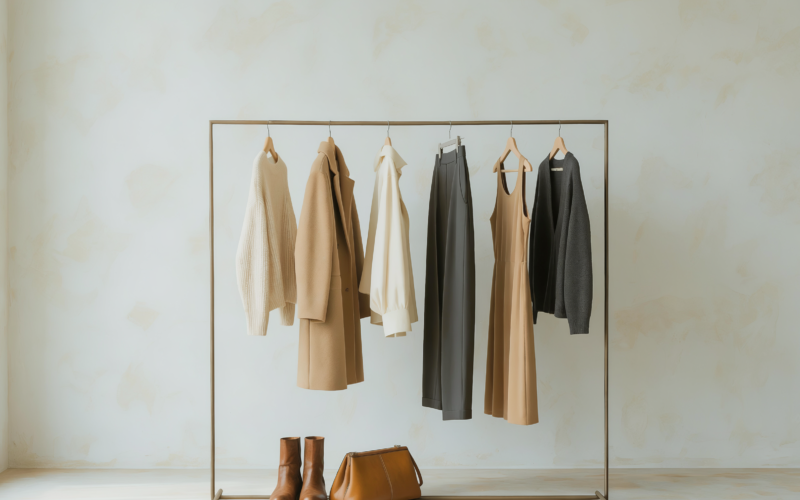
There is a line that keeps surfacing from working stylists this season, in slightly different words each time. The longer they do the job, the shorter their shopping lists get. That is a strange thing to hear from people paid to help you buy clothes, and it is reshaping what a fall capsule wardrobe actually means. The concept used to describe a shopping list. It increasingly describes an editing process, and the difference matters more than it sounds.
The Mistake Almost Everyone Makes
The standard approach is to search for a list of essential pieces and buy the ones you do not own. This reliably produces a closet full of items that are individually sensible and collectively useless, because a capsule is defined by how pieces combine rather than by what they are. Buying the internet’s ten staples when you already own six versions of three of them is how people end up with a full closet and nothing to wear.
Start With an Inventory
Every stylist describing this process begins the same way, which is with what the client already owns. Pull everything out, wear the questionable items for ten minutes rather than judging them on a hanger, and separate what fits and gets worn from what is being kept out of guilt or optimism. The gaps become obvious once you can see the whole, and they are almost never the gaps you assumed.
Transitional Is the Whole Job in Fall
Autumn is the hardest season to dress because a single day can span twenty five degrees. That is why fall capsules lean on pieces that work across temperature swings rather than pieces that are optimized for one. A midweight knit beats both a thin sweater and a heavy one. A shirt jacket beats a coat for two of the three months. Anything that only works in a narrow band will sit unused for most of the season.
The Six Piece Version
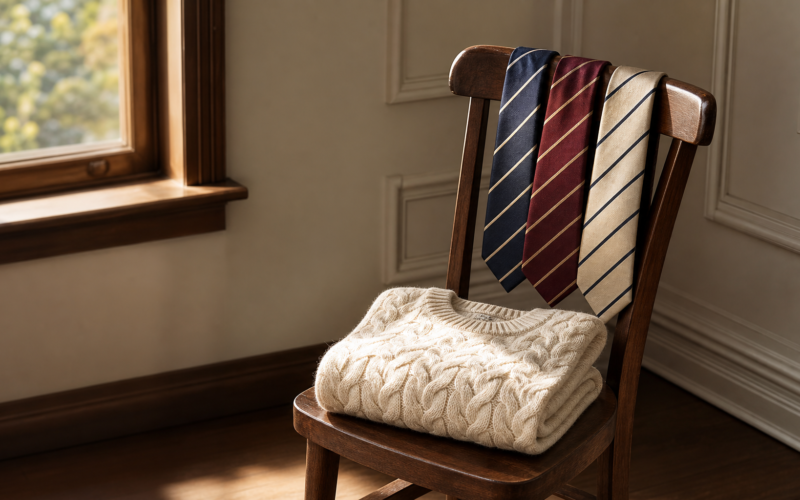
Stylist recommendations converge tightly this year, which is unusual. Good denim in a cut that suits you rather than the current one. A midweight knit in a color you actually wear. A shirt jacket or unstructured blazer. One elevated basic top for occasions that require slightly more. A boot that handles rain. A bag that fits an actual day. Six pieces that combine into most of a season is the realistic target.
Buy the Bridge Pieces, Not the Statements
The economics here are unromantic. A statement piece gets worn a handful of times and photographed for all of them. A bridge piece, meaning the thing that connects two halves of your wardrobe you never wear together, quietly unlocks a dozen outfits from clothes you already paid for. Bridge pieces are boring to shop for and are usually the highest return purchase you will make.
Fit is the variable that quietly decides everything else. A moderately priced piece that fits properly outperforms an expensive one that does not, every single time, and the gap is visible from across a room. Tailoring a jacket or hemming trousers costs a small fraction of the garment and is the most reliable upgrade available to most wardrobes. It is also the step people postpone indefinitely, which is why so many closets are full of good clothes that never quite get worn.
Where to Actually Spend
Spend on the things that touch the ground and the things that carry weight, which means boots and bags. They take the most abuse, they are the most visible when they are cheap, and the cost per wear on a good pair of boots is genuinely absurd in your favor. Spend less on whatever the season has named, because trend pieces have a defined shelf life and paying a premium for a known expiry date is a poor trade.
The One In One Out Rule Has a Catch
It works, but only if the thing leaving is comparable to the thing arriving. Buying a coat and discarding a worn out shirt is not a trade, it is bookkeeping. The honest version is that a new sweater displaces an existing sweater, which forces you to confront whether you actually needed it. Most people discover at that point that they did not, which is the entire mechanism.
What This Is Not About
None of this is a vow of minimalism or an argument that clothes should not be fun. A tightly edited wardrobe is precisely what makes room for the occasional item bought purely because you love it, and those purchases are usually the ones that get worn for a decade. It just means the fun purchase should not be doing the structural work. Let the season’s louder trends be the accent rather than the foundation, and the foundation will keep working long after the accent has dated.
Frequently Asked Questions
How many pieces should a fall capsule have?
There is no fixed number, and the ones quoted online are marketing. Most stylists converge on around six core pieces that combine widely, supplemented by what you already own.
Where do I start if my closet is a mess?
With an inventory rather than a purchase. Pull everything out, try on anything questionable, and separate what genuinely gets worn from what is kept out of guilt.
What should I actually spend money on?
Boots and bags. They take the most wear, they are the most obviously cheap when they are cheap, and the cost per wear works strongly in your favor over several seasons.
What is a bridge piece?
An item that connects two parts of your wardrobe you never previously wore together. They are unglamorous to shop for and typically unlock more outfits than any statement purchase.
Should I buy into seasonal trends at all?
In small doses and at low cost. Trend pieces have a known shelf life, so paying a premium for them is a poor trade. Let them be accents on a stable foundation.
Does one in one out actually work?
Only when the departing item is comparable to the arriving one. Swapping a new coat for a worn out shirt is not a real trade and defeats the purpose of the rule.