
Maybe a movie hooked you, or a friend handed you a graphic novel you could not put down. However it happened, you want to start collecting comics, and now you are staring at decades of history with no idea where to begin. Do not worry. Building a collection is one of the most rewarding hobbies around, and it does not require deep pockets or insider knowledge. This roadmap will take you from curious newcomer to confident collector.
Read First, Collect Second
The best collections grow out of genuine enthusiasm, so start by reading widely before you spend much. Borrow from a library, try digital subscriptions, and sample different genres beyond superheroes, since comics span horror, romance, science fiction, and memoir. Figuring out what you actually love reading is the foundation. A collection built around stories that excite you will always be more satisfying than one chasing whatever seems valuable or popular.
Choose Your Format
Comics come in a few forms, and each suits a different collector. Single issues are the traditional floppy comics released monthly, great for following a series as it unfolds. Collected editions gather many issues into one book, offering better value and durability. Digital comics take up no space at all. There is no wrong choice, so pick the format that fits your budget, your shelf space, and how you like to read.
Find Your Sources
Your local comic shop is a treasure and worth supporting. The staff can offer recommendations, hold new releases for you, and connect you to a community. Beyond that, used bookstores, online marketplaces, and conventions are great for filling gaps and finding deals. As a beginner, resist the urge to chase expensive rare issues. Focus on reading great stories affordably, and let any hunt for valuable books come later once you know the hobby.
Store It Right
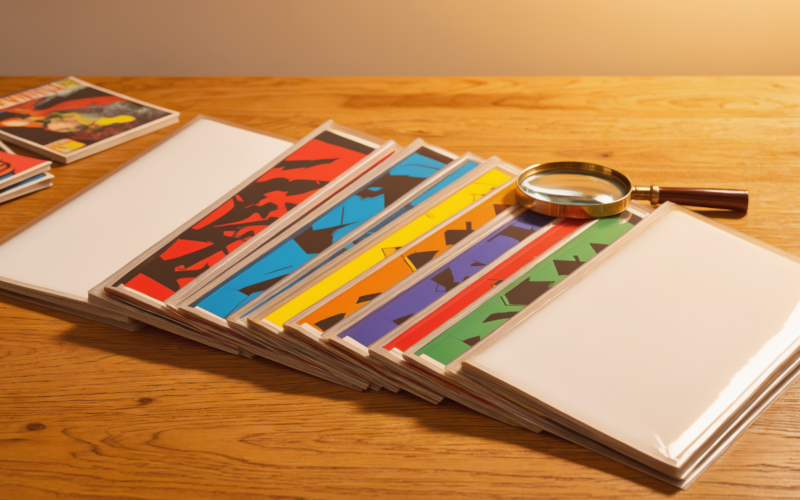
If you collect physical comics, a little care protects your investment and your enjoyment. Keep them out of direct sunlight and away from damp, and store single issues upright in a box with acid free bags and backing boards if you want them to last. You do not need to go overboard, especially for reading copies. But a few cheap supplies keep your favorites looking good for years, which matters more the longer you stay in the hobby.
Frequently Asked Questions
Is collecting comics expensive to start? It does not have to be. Libraries, digital subscriptions, and used editions let you read a lot for very little. You can grow a meaningful collection on a modest budget.
Should I collect single issues or collected editions? Whichever fits how you read. Single issues suit fans who love following a series month to month, while collected editions offer value and are easier to store and reread.
Do I need to buy rare, valuable comics? Not as a beginner. Chasing rarities is a specialized pursuit that can wait. Focus first on reading great stories, and collecting for value can come later if it interests you.
Where is the best place to buy comics? A local comic shop is ideal for new releases and advice. Used bookstores, online sellers, and conventions round things out for deals and back issues.
How do I keep my comics in good condition? Keep them away from sunlight and moisture, store issues upright, and use acid free bags and boards for ones you care about. A little basic care goes a long way.
Related reading: For more on this, take a look at our guide to what a big publisher move means for comics.
The Bottom Line
Starting a comics collection is far less intimidating than the mountain of history makes it seem. Read widely, pick the format that suits you, buy from sources you trust, and store your favorites with a little care. Above all, collect what you love rather than what you think you should. Do that, and your collection will grow naturally into something personal and genuinely yours, one great story at a time.