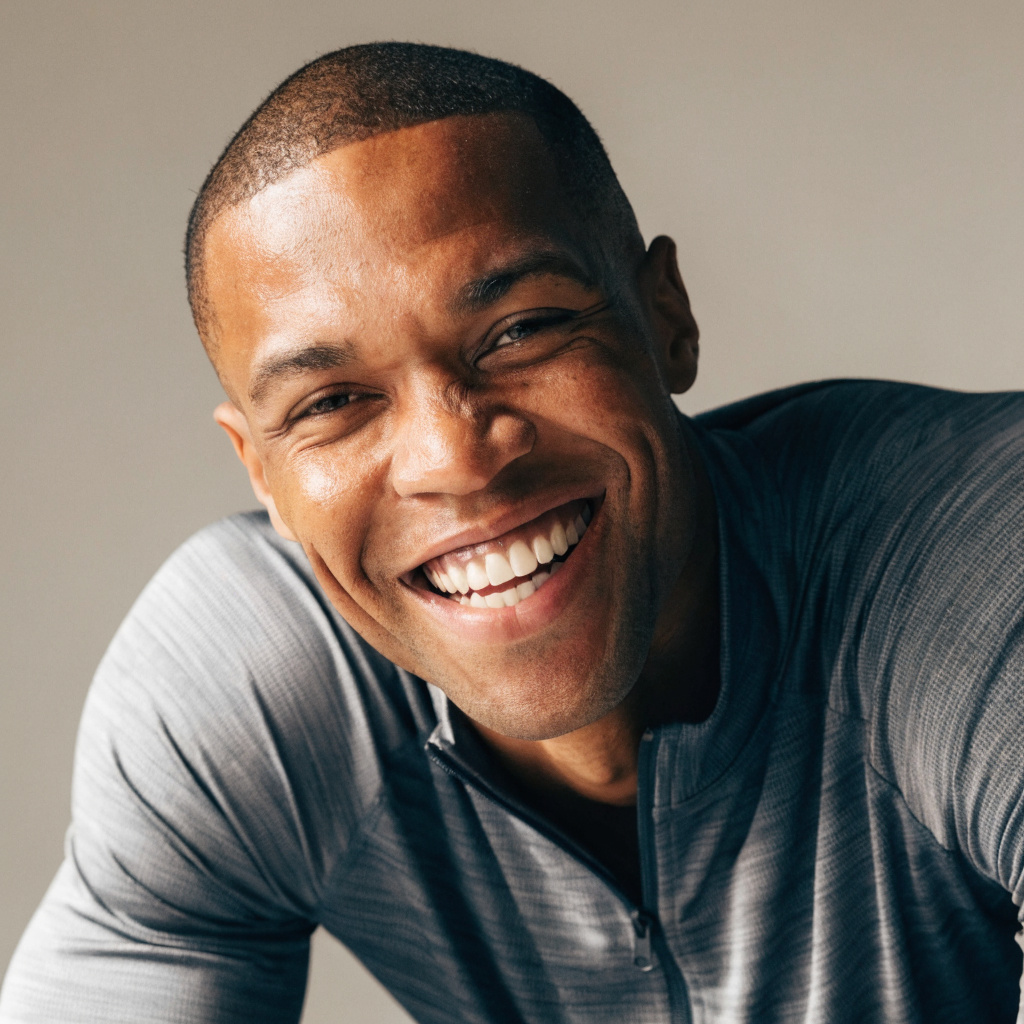

Deadpool and Wolverine is back in the trending mix, and along with it the perennial question every action blockbuster revives: how do actors build those physiques for the screen? The honest answer is more instructive and more reassuring than the mythology suggests. Behind the transformation montages is a set of training principles that anyone can apply, minus the personal chefs and the eight-hour gym days.
The reality behind the transformation
Screen physiques are the product of full-time effort with a full support team: trainers, chefs, and a schedule built entirely around the role. That context matters, because comparing your progress to a paid transformation is a recipe for discouragement. The useful move is to borrow the principles while keeping expectations anchored to a normal life.
Progressive overload is the engine
Strip away the theatrics and every good program runs on one idea: progressive overload, gradually asking your muscles to do more over time. More weight, more reps, or better form week over week. This single principle drives almost all muscle and strength gains. Chasing novelty and constantly switching programs is what stalls most people, not a lack of fancy exercises.
Compound lifts do the heavy lifting
Actors building size do not spend their time on tiny isolation moves. They prioritize big compound lifts, squats, presses, rows, and deadlift variations, that work multiple muscle groups at once. These give the most return for your time and drive the hormonal response that supports growth. Master a handful of these and you have the backbone of an effective program.
The role of the training split
Splitting training across muscle groups on different days lets each area work hard and then recover. A common approach hits each muscle group a couple of times a week with enough rest between sessions. The specific split matters less than consistency and recovery, so pick something you can actually sustain rather than the most complex plan you can find.
Nutrition is most of the battle
Every trainer will tell you the physique is built in the kitchen as much as the gym. Adequate protein, enough total calories to support your goal, and consistency over time do the bulk of the work. There is no training program intense enough to outrun careless eating. This is the part actors have the most help with, and the part regular people most often neglect.
Recovery is not optional
Muscle grows during rest, not during the workout. Sleep, rest days, and managing overall stress are as important as the training itself. Overtraining leads to injury and stalled progress, which is why even the most dramatic on-screen transformations are built around structured recovery. If you train hard but never rest, you are working against yourself. Our look at how pro wrestlers approach recovery digs deeper into this side.
Setting realistic timelines
Actors often have months of dedicated preparation, and even then results are accelerated by their circumstances. A realistic natural timeline for visible change is measured in months of consistent work, not weeks. Setting honest expectations is what keeps people training long enough to actually succeed, rather than quitting when a crash transformation fails to appear.
Building a sustainable plan
The takeaway is not to train like a movie star for a month and burn out. It is to adopt the durable principles: progressive overload, compound lifts, enough protein, and real recovery, in a routine you can hold for years. Consistency at a moderate intensity beats heroics every single time, and it is the only approach that produces lasting results.
Frequently Asked Questions
Can I really build a physique like an action star?
You can make dramatic progress with the same principles, but keep in mind actors have full-time support and accelerated timelines. Judge yourself against your own starting point.
What is the most important training principle?
Progressive overload. Gradually increasing the demand on your muscles over time drives nearly all strength and size gains.
Are compound lifts better than isolation exercises?
For building overall size and strength efficiently, yes. Compound lifts work multiple muscle groups at once and should form the core of your program.
How important is diet?
Enormously. Adequate protein and appropriate total calories do as much as the training itself. You cannot out-train poor nutrition.
How many days a week should I train?
Three to five days works for most people, with each muscle group trained a couple of times a week and adequate rest in between.
How long until I see results?
Visible change takes months of consistent effort, not weeks. Setting realistic timelines is what keeps people training long enough to succeed.