
If you spent any time on football social media during the World Cup, you saw the word everywhere: “Scorigami.” It trended, it spawned thousands of posts, and it turned a third place playoff into one of the most discussed matches of the entire tournament. If you nodded along without quite knowing what it meant, this is your explainer. It is a simple, genuinely fun idea, and once you understand it you will start noticing it in every sport you watch.
What “Scorigami” actually means
Scorigami is the concept of a final score that has never happened before in a given competition’s history. The name is a playful mash up of “score” and “origami,” the art of folding paper into new shapes, the idea being that a brand new scoreline is its own small work of art. It started as an American football statistic, tracking every unique final score in league history, and the idea has since spread to other sports because the underlying question is so satisfying: has this exact result ever occurred before?
The World Cup moment that set it off
The trigger this time was the third place match, where France beat England in a wild game that ended 6 to 4. According to the account that tracks World Cup Scorigami, that precise scoreline had never occurred in the tournament’s roughly 96 year history across more than a thousand matches. It was one of only a small number of genuinely new World Cup scorelines to appear in recent memory, which is exactly why it lit up timelines. We broke down the match itself in our full recap of that France versus England thriller.
Why a brand new score is rarer than it sounds
Football is a low scoring sport, and most matches land on a small cluster of common results: 1 to 0, 2 to 1, nil nil, and so on. Over a century of competition, those ordinary scorelines get used up thousands of times each. That is what makes a fresh one special. To create a new World Cup score you usually need an unusual, high scoring game, because the low scoring combinations were all claimed decades ago. A 6 to 4 result is precisely the kind of chaotic, goal soaked match capable of writing a new line in the record book.
How Scorigami is tracked
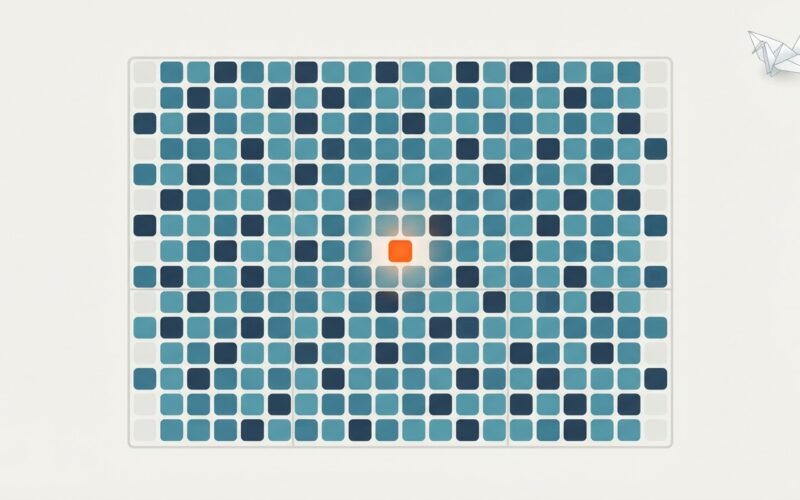
The tracking is essentially a giant grid. One axis is the winning team’s goals, the other is the losing team’s goals, and every cell represents a possible scoreline. As matches are played, cells get filled in. The empty cells are the scores that have never happened, and completing one is the event fans celebrate. Independent enthusiasts maintain these grids for various competitions, updating them live during tournaments, which is how a single result can be confirmed as historic within minutes of the final whistle.
Why fans love it so much
Part of the appeal is that it gives every match, even a supposedly meaningless one, a hidden layer of stakes. A third place playoff has no bearing on the title, but through the Scorigami lens it suddenly carried the chance to make history. It also rewards the chaotic, unpredictable games that traditional analysis sometimes dismisses. In a sport that can feel dominated by cautious tactics, Scorigami quietly cheers for goals, mess, and the improbable, which is a large part of why casual viewers find it so charming.
Scorigami beyond football
Because the concept is sport agnostic, you can apply it almost anywhere a final score exists. It works in American football, where it originated, and it translates neatly to hockey, basketball, and beyond. The math changes with the scoring patterns of each sport, but the thrill is identical: watching a scoreboard tick toward a combination that, in all the years of a competition, no one has ever produced. Once you know to look for it, ordinary games gain an extra reason to keep watching until the end.
The lasting takeaway
Scorigami is a reminder that statistics do not have to be dry. A single unusual scoreline turned a forgettable fixture into a talking point that outshone plenty of higher stakes matches. It is the kind of idea that makes a lifelong fan see a familiar sport with fresh eyes, and a newcomer suddenly care about a result that, on paper, meant nothing. That is a rare trick, and it is why the word took over football timelines this month.
Frequently Asked Questions
What does Scorigami mean? It refers to a final score that has never happened before in a competition’s history. The name blends “score” and “origami.”
What triggered the World Cup Scorigami buzz? France beat England 6 to 4 in the third place match, a scoreline that had never occurred in the tournament’s roughly 96 year history.
Why are new football scorelines rare? Football is low scoring, so common results have been recorded thousands of times. A new score usually requires an unusual, high scoring game.
Where did Scorigami come from? It began as an American football statistic tracking every unique final score in league history and later spread to other sports.
How is it tracked? Enthusiasts maintain a grid of every possible scoreline and fill in cells as matches are played. Empty cells are scores that have never happened.
Does Scorigami work in other sports? Yes. The concept applies to any sport with final scores, including hockey and basketball, though the math varies by scoring pattern.