Walk through any convention hall this summer and you will notice something that used to stay locked inside the fandom bubble. The clothes people wore to cosplay their favorite characters are showing up on the sidewalk, in coffee shops, and on the accounts of people who have never touched a foam sword in their lives. Cosplay is no longer a costume. It is becoming a wardrobe.
From Costume Contest to Closet Staple
For years the assumption was that cosplay lived in its own category, worn once a year and then folded away. That has quietly changed. The techniques cosplayers use to build a look, layering, tailoring, mixing textures, have started leaking into everyday outfits. What was once a full character build is now a single statement piece worn with jeans.
The Convention Floor as a Runway
Comic conventions have become genuine trend incubators. Thousands of style-obsessed people gather in one place, photograph each other constantly, and push each other to be bolder. That feedback loop moves faster than most fashion weeks. A silhouette that catches on at a summer convention can be on regular racks within a season.
Tactical Layers Go Mainstream
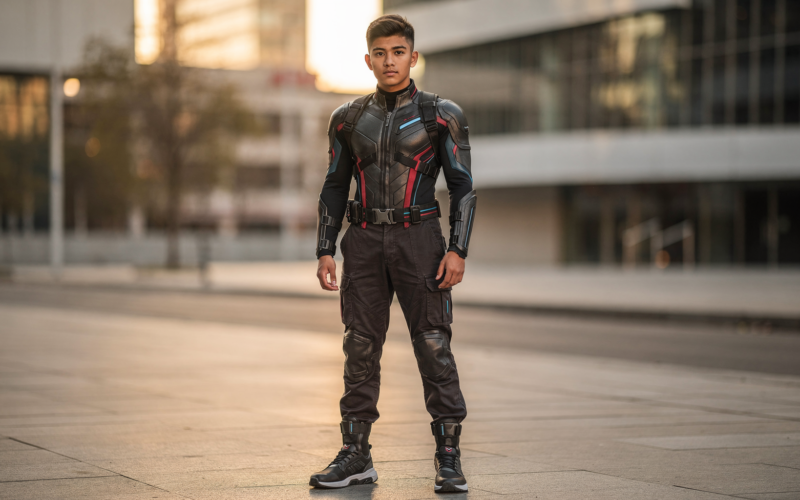
The most obvious crossover is the tactical and utilitarian look. Harnesses, cargo details, structured jackets, and armored shoulders all trace directly back to sci-fi and superhero costuming. Stripped of the full character context, these pieces read as edgy streetwear rather than fan gear.
Color Stories Borrowed From Heroes
Fans have always understood the power of a signature color. A single bold hue paired with neutrals is a costume trick that works beautifully in real life. The confident color blocking you see in hero-inspired outfits is one of the easiest cosplay ideas to steal without looking like you are in costume.
Craft Skills That Translate
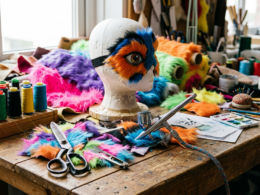
Cosplayers are some of the most skilled makers around. They sew, they mold, they weather fabric to look lived in. Those same skills are fueling a wave of customized, one-of-a-kind clothing. In an era of mass production, a hand-altered jacket feels like luxury.
The Thrift and Upcycle Overlap
Cosplay budgets have always rewarded creativity over spending, and that ethos lines up perfectly with the current thrift and upcycle movement. Building a look from secondhand pieces is exactly how many cosplayers work, and that resourcefulness is now considered stylish rather than a compromise.
Why Gen Z Is Driving It
Younger shoppers grew up without a hard line between fandom and identity. Wearing a character-inspired look is not embarrassing to them, it is expressive. That comfort is dissolving the old boundary between costume and clothing, and brands are racing to keep up.
Where the Trend Goes Next
Expect the crossover to get subtler, not louder. The future of this look is not head-to-toe character replicas but small, wearable references that only other fans will catch. For more on shifting style movements, see our recent culture coverage.
Frequently Asked Questions
Is cosplay really influencing mainstream fashion?
Yes. Techniques and silhouettes from cosplay are increasingly showing up in streetwear and everyday outfits.
How do I wear a cosplay-inspired look without a full costume?
Start with one statement piece, like a structured jacket or a bold signature color, and pair it with everyday basics.
Why are conventions considered trend incubators?
They gather thousands of style-focused people who photograph and inspire each other, creating fast-moving trend loops.
What cosplay elements are easiest to adopt?
Utilitarian layers, bold color blocking, and customized secondhand pieces translate well to daily wear.
Is this trend expensive to follow?
Not necessarily. Cosplay culture rewards creativity and thrifting over spending, which keeps it accessible.
Will the cosplay influence last?
It is likely to continue but become subtler, favoring small wearable references over full replicas.