The national parks are having the best year in their history by the only metric anyone tracks, and that is exactly the problem. The system logged more than 331.9 million recreation visits across its 400 plus sites in its most recent record year, and this summer is running near those numbers again.
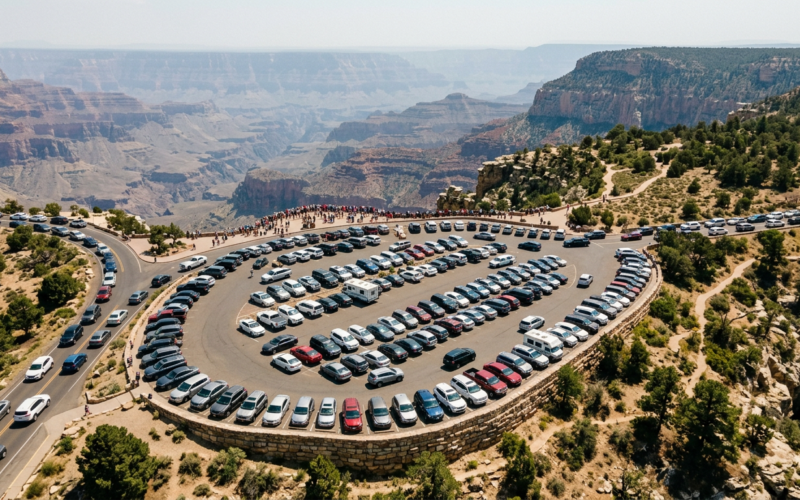
Reporting this week described four hour waits at entrance gates and trailhead parking lots filling before sunrise. Those are not remote wilderness inconveniences. They are the ordinary experience of showing up at a famous park in August without a plan.
Record Visitation Is Not Spread Evenly
The headline number hides how concentrated the crowding is. A small group of marquee parks absorbs a wildly disproportionate share of visits, and within those parks, a handful of viewpoints and trailheads absorb most of the traffic.
That means the crowding you have heard about is real and also avoidable. The same system that produces a four hour gate line also contains hundreds of sites where you will see more rangers than tourists.
The Infrastructure Was Not Built For This
The park service is carrying a deferred maintenance backlog estimated at roughly 24 billion dollars, covering roads, water systems, visitor facilities and trails. Most of that infrastructure was designed for a visitation pattern that stopped existing decades ago.
This is the part visitors feel without naming. The closed restroom, the parking lot that was sized in 1962, the road that funnels everyone through one entrance. Crowding is partly a demand story and substantially a capacity story.
It also compounds. Every deferred repair that closes a road or a lot pushes the same number of visitors into a smaller usable footprint, which makes the crowding feel worse than the raw visitation figures suggest. A park at ninety percent capacity with all its parking open feels calmer than a park at seventy percent with two lots closed.
Timing Beats Destination
If you only change one thing, change when you arrive. Gate lines and trailhead parking are dawn to mid morning problems and mid afternoon problems. The window between about 6 a.m. and 8 a.m. and the window after 4 p.m. are consistently different experiences at the same location.
Shoulder season does even more. Late September and early October at most western parks delivers the same landscape with a fraction of the people, and often better light for anyone carrying a camera.
Reservation Systems Are Not The Enemy
Timed entry and vehicle reservations get complained about constantly, and they are also the main reason certain corridors are still usable in July. A system that spreads arrivals across the day is doing the thing that the parking lot cannot.
Check the specific park’s requirements the week you book travel, not the week you leave. Rules vary by park, by season, and sometimes by entrance, and the reservation window can open months ahead.
The other advantage of reservations is that they force you to decide something in advance, which is the single biggest predictor of whether a park day goes well. Most bad park trips are not caused by crowds. They are caused by arriving with no plan on the busiest weekend of the year.
The Least Visited Parks Are Genuinely Good
There is a persistent assumption that low visitation means low quality. It usually means low accessibility, which is a different thing entirely. Remote parks are quiet because they require a longer drive or a harder approach, not because the scenery apologized.
If your objective is being outside rather than photographing a specific arch, the least visited units in the system are the best value in American recreation right now.
Crowds Have Changed What The Trip Is For
Outdoor recreation has become a social activity as much as a solitary one, which is part of what is driving these numbers. We wrote recently about how hiking turned into a social life, and the parks are where that shift is most visible.
That is not a complaint. A generation that treats a trailhead as a meeting place is a generation that will fund and defend public land. It just means the expectation of solitude at a famous overlook needs to be retired.
Practical Rules For A Record Year
Book lodging and any required entry permits far earlier than feels reasonable. Arrive at opening or in the late afternoon. Have a second trailhead picked out for when the first lot is full. Carry more water than the forecast suggests, and check the park’s alerts page the morning you go.
And build in a slow day. The most common way a park trip goes wrong is scheduling it like an itinerary instead of a vacation.
Rangers will also tell you the same thing repeatedly: the trail two miles down the road from the famous one is usually ninety percent as good and ten percent as busy. Asking at the visitor center is still the highest return five minutes of any park visit.
What To Watch Next
Two things will shape the next few seasons: whether the maintenance backlog gets addressed at scale, and whether more parks adopt timed entry. Both determine whether record visitation feels like a celebration or a bottleneck.
In the meantime, the system is enormous, and most of it is empty on a Tuesday.
Frequently Asked Questions
How many people visit US national parks each year?
The system recorded more than 331.9 million recreation visits across its 400 plus sites in its most recent record year, and current visitation is running near that level.
What is the best time of day to enter a busy park?
Early morning before roughly 8 a.m. or late afternoon after about 4 p.m. Midday is when gate lines and parking are worst.
Do I need a reservation to enter a national park?
Some parks require timed entry or vehicle reservations during peak season and some do not. Requirements vary by park and entrance, so check the specific park before you travel.
What is the national park maintenance backlog?
It is the accumulated cost of deferred repairs to roads, buildings, water systems and trails, estimated at roughly 24 billion dollars.
Are less visited parks worth going to?
Yes. Low visitation usually reflects distance and access difficulty rather than quality, and those units offer far more solitude for the same effort.
When is the quietest time to visit?
Shoulder seasons, particularly late September through October and again in spring, along with weekdays rather than weekends.