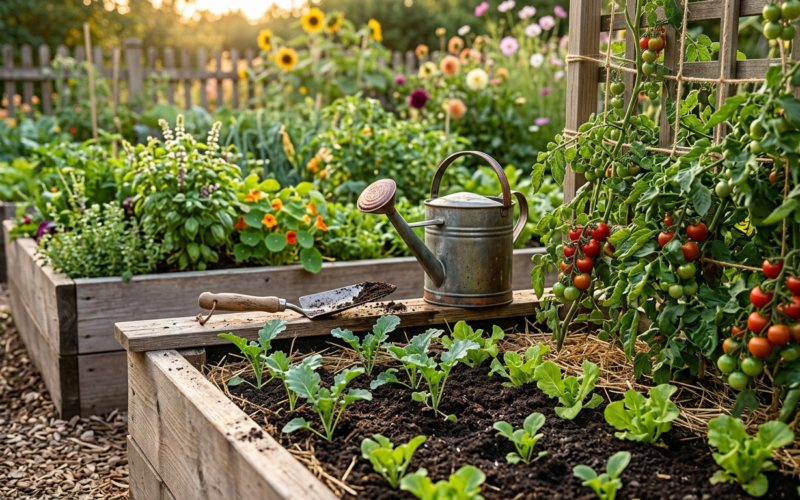
Most gardeners treat August as a slow decline. The tomatoes are leggy, the lettuce bolted in June, everything looks tired, and the reasonable move seems to be waiting for spring. That is the single biggest missed opportunity in a home garden. August is the front end of a whole second season, and the crops you sow now frequently come out better than their spring versions because they finish in cool weather instead of racing the heat.
The second planting list is longer than people think
Sown now for a fall harvest, depending on your zone: beans, beets, broccoli, cauliflower, collards, carrots, kale, lettuce, cucumbers, and potatoes. In warmer regions okra goes in through mid-August and tomato transplants can still go out in the first week or so. The limiting factor is not the calendar, it is your average first frost date. Count backwards from it using the days-to-maturity number on the seed packet, add two weeks of margin for slower fall growth, and you have your real deadline.
Cool-finishing crops taste better and that is not sentiment
Carrots, kale, collards and beets all convert starch to sugar as temperatures drop, which is why a fall carrot is noticeably sweeter than a spring one. Brassicas get less bitter. Lettuce sown in late summer heads up in September without bolting the way a June sowing does. If you have only ever grown these in spring, you have been eating the worse version of them. Spinach behaves the same way, and a light frost on a bed of kale is closer to a seasoning step than a threat. That is the argument for the fall garden in one sentence: the weather does part of the cooking for you.
Germination in August needs a different approach
Hot soil is the real obstacle. Lettuce and other cool-season seeds sulk or refuse outright above a certain soil temperature, and August topsoil in full sun is well past it. The workarounds are simple: sow slightly deeper than you would in spring, water in the evening rather than the morning, and shade the bed for the first week with a board, a piece of burlap, or shade cloth. Some gardeners chill lettuce seed in the fridge for a couple of days first, which genuinely helps.
Plant in the evening, not the morning
This is the advice that separates people whose August transplants live from people whose August transplants die. Setting anything out at nine in the morning gives it a full day of heat and sun before the roots have made contact with the soil. Do it after six in the evening and the plant gets twelve cool hours to settle. Same plant, same bed, dramatically different survival rate.
Some things should absolutely not go in right now
Resist the urge at the garden center. Hydrangeas, Japanese maples, fuchsias and astilbes all scorch badly if planted into heat, because their leaves lose water faster than a new root system can supply it. Those are autumn jobs. If you find a plant you want now, buy it, keep it in the pot somewhere with afternoon shade, water it consistently, and put it in the ground in six weeks. It will establish twice as well.
For instant color, the reliable list is short
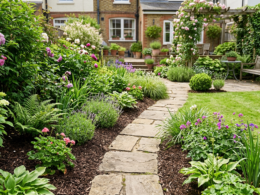
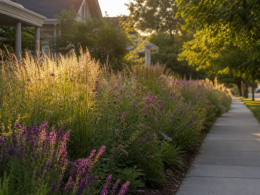
If the beds look bleak and you want them to look alive by next weekend, the dependable late-summer picks are chrysanthemum, aster, black-eyed Susan, sedum such as Autumn Joy, zinnia, celosia and lantana. Zinnia and celosia carry heat without complaint, sedum and aster carry you into real autumn, and lantana will keep going until something actually kills it. That is a border that peaks when everyone else’s has quit.
Water less often and much deeper
August watering mistakes almost always come down to frequency instead of volume. A daily light sprinkle trains roots to stay near the surface, where the soil is hottest and dries fastest. A long soak every third or fourth day pushes roots down into cooler, more stable moisture. Mulch two to three inches deep on top of that and you cut evaporation substantially. And genuinely, go fix the leaking hose connection you have been ignoring since June. While you are out there, pull the weeds now rather than in September, because warm-season weeds are setting seed right at this moment and every one you miss is next spring’s problem multiplied by several hundred.
The climate question is now a planting question
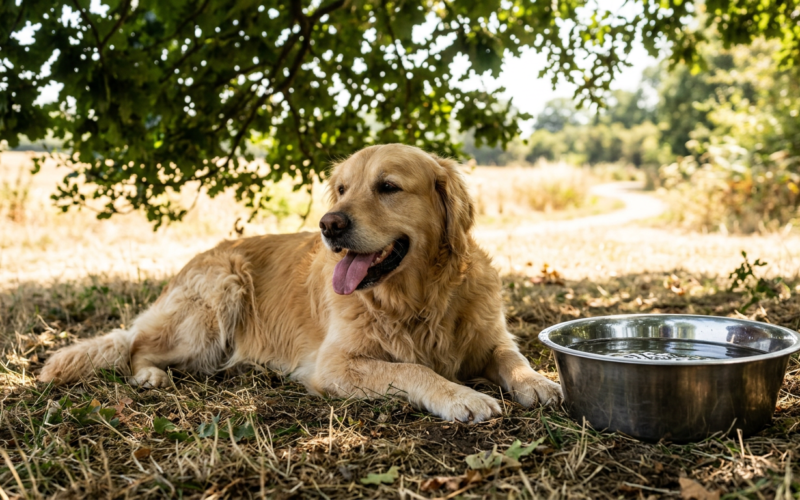
Gardeners are openly rethinking varieties and timing because the summers keep running hotter and drier than the seed packets assume. The practical response is not despair, it is selection. Choose drought-tolerant varieties, shift heat-sensitive sowings later into fall, and stop fighting a bed that bakes every afternoon by putting something in it that wants to bake. On the same theme, if you garden with a dog underfoot, summer heat is genuinely dangerous for them too and worth planning around.
Frequently Asked Questions
What can I plant in August?
Beans, beets, broccoli, cauliflower, collards, carrots, kale, lettuce, cucumbers and potatoes all work for a fall harvest in most regions, with okra and late tomato transplants still viable in warm zones.
How do I know if it is too late to plant?
Count backwards from your average first frost date using the days to maturity on the seed packet, then add about two weeks because plants grow more slowly in fall.
Why will my lettuce not germinate in summer?
Soil that is too warm suppresses germination. Sow a little deeper, water in the evening, and shade the bed for the first week.
What should I not plant in the heat?
Hydrangeas, Japanese maples, fuchsias and astilbes are all prone to leaf scorch when planted into high temperatures. Hold them until fall.
What gives the fastest late summer color?
Chrysanthemum, aster, black-eyed Susan, sedum, zinnia, celosia and lantana are the dependable picks and most are available at garden centers now.
How often should I water in August?
Less often and much more deeply. A long soak every three or four days plus two to three inches of mulch beats a daily sprinkle every time.