
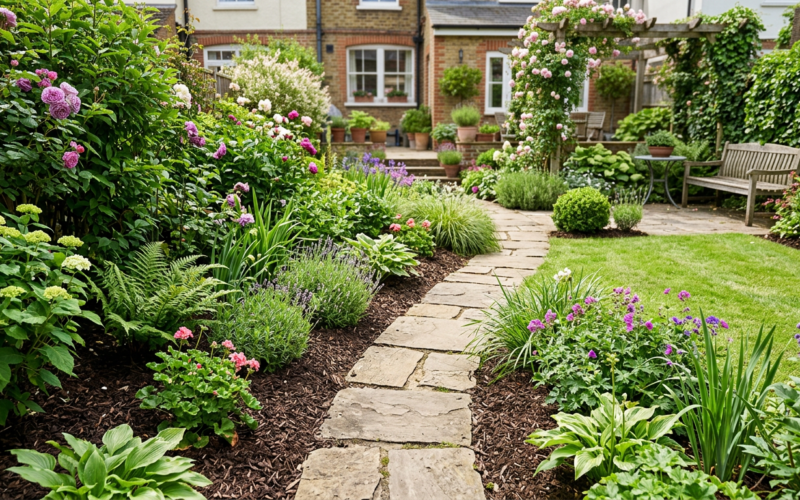
A beautiful backyard can feel like a luxury reserved for people with big budgets and professional landscapers, but that impression is misleading. Some of the most inviting outdoor spaces are the result of clever, affordable choices rather than expensive overhauls, and with a bit of planning and some willingness to do the work yourself, you can transform a dull or overgrown yard into somewhere you genuinely want to spend time. The key is knowing where to spend your limited budget for the greatest visual impact and where you can save.
Landscaping on a budget is less about doing everything at once and more about making smart, high-value choices and tackling the project in stages. You do not need to hire anyone or spend a fortune to see a dramatic difference. This guide covers affordable, high-impact landscaping ideas you can carry out yourself, so your backyard becomes a source of pride rather than frustration.
Start with a plan
The most important budget-saving step happens before you buy anything, and that is making a simple plan. Sketching out your yard and deciding what you actually want from it, whether that is a place to relax, room for kids to play, or a garden to tend, prevents the costly mistake of buying plants and materials on impulse that do not work together. A plan lets you prioritize the changes that will make the biggest difference and phase the rest over time as your budget allows. Even a rough plan keeps you focused and stops money from leaking away on scattered purchases that never add up to a cohesive space.
Let plants do the heavy lifting affordably
Plants offer enormous impact for relatively little money, especially if you choose wisely. Perennials, which come back year after year, are a better long-term value than annuals you must replace each season, and native plants suited to your region tend to be hardier, cheaper to maintain, and better for local wildlife. University extension programs, such as the one at extension.umn.edu, offer excellent free guidance on choosing plants that thrive in your area. Buying smaller plants and letting them grow, dividing perennials you already have, and starting some plants from seed all stretch your budget considerably. A well-chosen planting can transform a yard for a fraction of the cost of hardscaping.
Use inexpensive materials for big effect
Many of the elements that make a yard look finished are surprisingly cheap. A fresh layer of mulch instantly tidies garden beds, suppresses weeds, and gives the whole yard a cared-for look for very little money. Gravel and simple stepping stones create paths and define areas affordably, and inexpensive or upcycled materials, such as reclaimed wood, old containers, or found stones, can become planters, borders, and features with a little creativity. Focusing on these high-impact, low-cost materials lets you achieve a polished look without the expense of extensive paving or built structures, which are where landscaping budgets usually balloon.
Define spaces and add simple touches
Some of the most effective landscaping tricks cost almost nothing and rely on arrangement rather than purchases. Defining distinct areas, such as a seating nook, a garden, or a play space, gives a yard structure and makes it feel intentional and larger. Container gardening lets you add greenery and flexibility cheaply, and a few affordable solar-powered lights can make a backyard feel magical in the evening for a tiny cost. Even simply keeping your lawn healthy and edges tidy dramatically improves the overall impression. These small, inexpensive touches often make the biggest difference in how put-together a yard feels.
Work in phases and do it yourself
The final money-saving principle is patience. You do not have to complete your whole vision in one expensive push, and tackling the project in phases as your budget allows spreads the cost and lets you learn as you go. Doing the work yourself, from planting to spreading mulch to building simple features, is where the largest savings live, since labor is often the biggest expense in professional landscaping. Approached this way, a beautiful backyard becomes an affordable, rewarding project rather than a daunting expense, and the satisfaction of having created it yourself is a bonus that no hired job can match.
Frequently asked questions
How can I landscape my backyard cheaply?
Start with a simple plan so you spend intentionally, then let affordable plants do the heavy lifting, favoring perennials and native species. Use inexpensive, high-impact materials like mulch, gravel, and upcycled items, define distinct spaces to give the yard structure, and add cheap touches like container plants and solar lights. Working in phases and doing the labor yourself keeps costs low.
What is the cheapest way to make a yard look nice?
A fresh layer of mulch is one of the cheapest high-impact improvements, instantly tidying beds and suppressing weeds. Keeping the lawn healthy and edges neat, adding a few well-chosen perennials, and using gravel or stepping stones to define areas also deliver a big visual payoff for little money. These simple, low-cost steps make a yard look cared for and intentional.
Are native plants cheaper for landscaping?
Often, yes, in the long run. Native plants are adapted to your local climate, so they tend to be hardier, require less water and maintenance, and are less likely to need replacing, which saves money over time. They also support local wildlife. University extension programs offer free guidance on native plants suited to your region, making them a smart, economical choice for budget landscaping.
Should I landscape my yard all at once or in phases?
Phasing the work is usually the smarter budget approach. Completing your whole vision at once is expensive and overwhelming, whereas tackling it in stages spreads the cost, lets you learn as you go, and allows you to adjust the plan over time. Prioritize the highest-impact changes first, then add to the yard gradually as your budget allows.
A beautiful yard on a budget
A welcoming backyard is well within reach without a designer or a big budget. Plan before you buy, let affordable plants and inexpensive materials do the work, define your spaces, add a few simple touches, and tackle it in phases yourself. The result is a space you love and the satisfaction of having made it. For more, see our guides to keeping houseplants alive and getting rid of weeds naturally. Find more in the Gardening and Home section.



Comments 1
Comments are closed.