
There is a persistent myth that any money poured into a home comes back at resale, but the reality is more selective. Some improvements genuinely raise a home’s value and make it more pleasant to live in, while others are expensive indulgences that a future buyer will never pay you back for. For the do-it-yourself homeowner, the smart play is to focus your weekends and your budget on the projects that deliver a real return, and to be honest about which jobs are worth handing to a professional.
The best value-adding projects tend to share a few traits. They improve the first impression a home makes, they refresh the spaces buyers care about most, and they address function and efficiency rather than just taste. You do not need to gut a kitchen to add value. Often the highest returns come from modest, achievable projects done well.
Curb appeal is where value begins
First impressions carry enormous weight, and the exterior of a home sets the tone before anyone walks through the door. Improving curb appeal is among the most cost-effective things a homeowner can do, and much of it is well within DIY reach. Fresh paint or a thorough clean of the exterior, a tidy and welcoming front entrance, and simple, well-kept landscaping all make a property feel cared for and more valuable. A new front door or even a freshly painted one, along with updated house numbers and light fixtures, delivers a surprising lift for a small outlay.
Landscaping in particular rewards effort more than money. A neatly edged lawn, fresh mulch, and a few healthy plants signal that a home has been looked after, which is exactly the impression that translates into value.
Refresh kitchens and baths without gutting them
Kitchens and bathrooms sell homes, but that does not mean you need a full and costly remodel to benefit from them. Some of the best returns come from cosmetic refreshes that a determined DIYer can handle. Painting dated cabinets, swapping old hardware for modern pulls and knobs, updating a tired faucet or light fixture, and replacing worn caulk and grout can transform these rooms for a fraction of the cost of tearing them out. The goal is a clean, current, well-maintained look rather than a showpiece.
These smaller updates matter because buyers respond to spaces that feel fresh and cared for, and because they let you improve the rooms that count most without the enormous expense and disruption of a gut renovation.
Paint is the best return there is
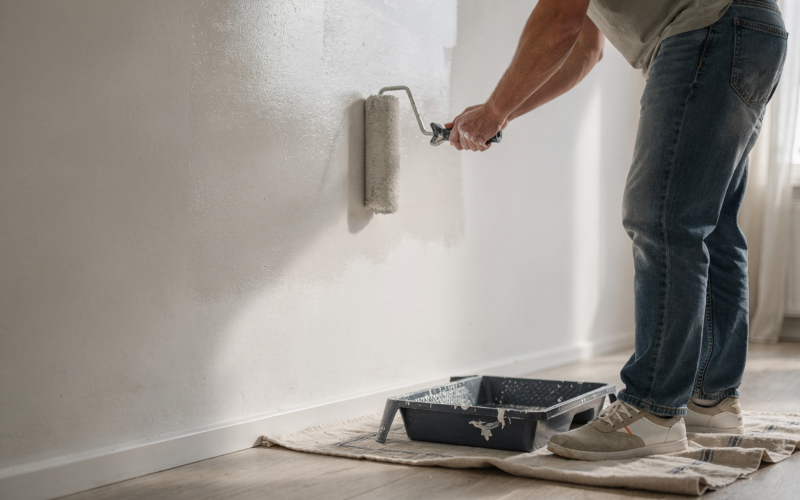
If there is a single project that delivers the most value for the least money, it is a fresh coat of paint. Few things transform a space as dramatically or as cheaply, and interior painting is one of the most achievable DIY jobs there is. Neutral, modern colors make rooms feel larger, cleaner, and more appealing to the widest range of tastes, which is exactly what you want whether you are staying or selling. A weekend and a modest budget can make an entire home feel renewed.
Do not overlook efficiency and repairs
Some of the most valuable improvements are the ones buyers cannot see but will appreciate. Energy-efficiency upgrades, from sealing drafts and adding weatherstripping to improving insulation and installing a programmable thermostat, lower utility bills and appeal to increasingly cost-conscious buyers. The EPA’s ENERGY STAR program offers practical guidance on efficiency improvements that pay off over time. Just as important is simply fixing what is broken, because a backlog of small defects, from leaky faucets to squeaky doors and cracked caulk, quietly drags down both livability and perceived value. Working through that list is unglamorous but genuinely worthwhile.
Know when to call a professional
Part of being a smart DIYer is recognizing your limits. Projects involving electrical work, plumbing, structural changes, or gas should generally be left to licensed professionals, both for safety and because botched work can cost far more to fix than it would have cost to do right the first time. A poorly executed DIY job can actually reduce a home’s value and scare off buyers, so matching the project to your genuine skill level protects both your home and your investment.
Frequently asked questions
What home improvements add the most value?
Projects that improve curb appeal, refresh kitchens and bathrooms cosmetically, and boost energy efficiency tend to deliver the best returns, and many are achievable as DIY work. A fresh coat of paint is often the single best value, transforming a space cheaply. Fixing existing defects also protects value by keeping a home feeling well maintained.
Is painting a good return on investment?
Yes, interior painting is widely considered one of the best returns in home improvement. It is inexpensive, achievable for most DIYers, and dramatically refreshes a space. Choosing neutral, modern colors appeals to the widest range of buyers and makes rooms feel larger and cleaner, which is why paint is a go-to project whether you are selling or simply updating.
Which home projects should I not DIY?
Leave electrical work, plumbing, structural alterations, and anything involving gas to licensed professionals. These jobs carry real safety risks and, if done incorrectly, can cost far more to repair and even reduce your home’s value. Matching projects to your genuine skill level and hiring out the complex or hazardous work is part of being a smart homeowner.
Do energy-efficient upgrades increase home value?
They can, and their appeal is growing as buyers become more conscious of utility costs. Upgrades like sealing drafts, adding insulation, and installing a programmable thermostat lower ongoing bills and make a home more attractive. Beyond resale, they pay you back in reduced energy costs while you live there, which makes them a doubly worthwhile investment.
Improve smart, not just hard
The homeowners who get the most from their improvement dollars are the ones who choose projects deliberately. Focus on curb appeal, refresh the rooms that matter without gutting them, lean on paint as your best value, address efficiency and repairs, and know when to hand a job to a professional. Done this way, your effort raises both how your home lives and what it is worth. For an easy place to start outdoors, see our cheap backyard landscaping ideas, and find more in the Gardening and Home Improvement section.




Comments 1
Comments are closed.