
Car maintenance has a way of feeling optional right up until the moment it becomes very expensive. A skipped service or an ignored warning rarely causes trouble immediately, which is exactly what makes neglect so tempting and so costly, because the problems it creates arrive later, larger, and all at once. The drivers who spend the least on their cars over the years are almost never the ones who avoid maintenance. They are the ones who stay ahead of it, treating routine care as the cheap insurance it actually is.
The reassuring part is that keeping a car healthy is not complicated once you know the rhythm of what it needs and roughly when. You do not have to become a mechanic. You simply have to follow a sensible schedule and pay attention to the signs your car gives you. This is that schedule, in plain language, so nothing important sneaks up on you.
The golden rule: read your owner’s manual
Before any general advice, there is one authoritative source for your specific vehicle, and it is sitting in your glove box. Your owner’s manual contains the manufacturer’s recommended maintenance schedule tailored to your exact make, model, and engine, and it should always take precedence over generic intervals. Manufacturers know their vehicles better than anyone, and following their schedule keeps your car healthy and often keeps your warranty valid. Everything that follows is a general guide to complement, not replace, what your manual tells you.
The regular essentials
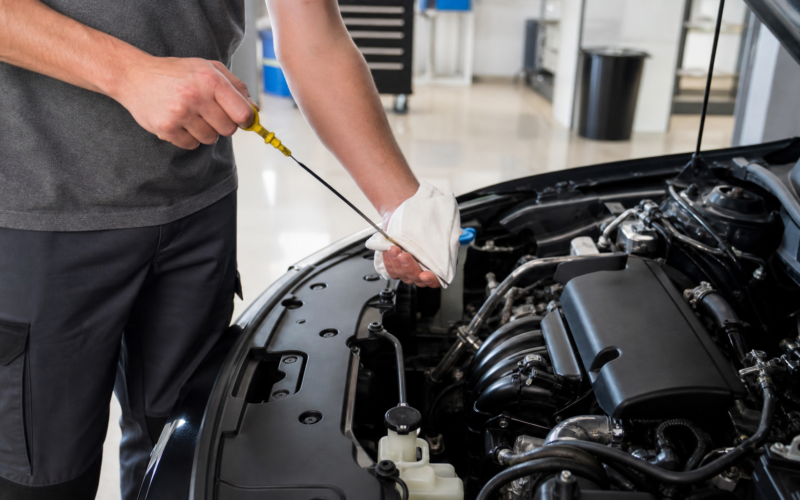
A handful of tasks form the backbone of routine care. Oil and filter changes are the most important, keeping the engine lubricated and clean, and the interval depends on your car and oil type, which is why knowing your specific schedule matters. Tires need regular attention too, including maintaining proper pressure, rotating them periodically for even wear, and keeping an eye on tread depth for safety. Your car’s various fluids, from coolant and brake fluid to transmission and power steering fluid, should be checked and changed at the intervals your manual specifies, because they protect expensive components.
Beyond those, air filters need occasional replacement to keep the engine breathing freely, brakes should be inspected periodically since worn pads and rotors are both a safety and a cost issue, and the battery deserves attention as it ages, since most have a limited lifespan and tend to fail at the worst possible moment. Windshield wipers and lights round out the small items that are easy to forget until you need them in bad weather or darkness.
Seasonal and mileage-based checks
Some care is best timed to the calendar and the odometer. As the seasons change, it is wise to prepare the car for what is coming, checking that your battery, tires, and fluids are ready for extreme heat or cold, and confirming your wipers and defroster work before you need them in a storm. At major mileage milestones, larger services often come due, including things like spark plugs, timing belts on some engines, and more thorough inspections, all of which your manual will lay out.
Part of responsible ownership also includes staying aware of safety recalls, since manufacturers occasionally identify defects and offer free repairs. Checking whether your vehicle has any open recalls using its identification number through the National Highway Traffic Safety Administration at NHTSA.gov is a simple, free step that keeps your car both reliable and safe.
Signs something needs attention now
Between scheduled services, your car will tell you when something is wrong if you know how to listen. Dashboard warning lights should never be ignored, since they exist precisely to flag developing problems. New or unusual noises, such as squealing brakes, grinding, or knocking, are worth investigating promptly. Changes in how the car drives, including pulling to one side, vibrations, or a soft brake pedal, along with any leaks or unusual smells, all signal that something needs a look before it becomes a breakdown. Catching these early is almost always cheaper than waiting.
Frequently asked questions
What car maintenance should be done regularly?
The core routine includes oil and filter changes, tire care such as pressure checks and rotation, fluid checks and changes, air filter replacement, brake inspections, and battery attention as it ages. The exact timing depends on your vehicle, so your owner’s manual is the definitive guide. Staying current on these basics prevents the majority of expensive breakdowns.
How do I know when my car needs service?
Follow the schedule in your owner’s manual for routine services, and watch for the signs your car gives you between them. Dashboard warning lights, unusual noises, changes in handling or braking, leaks, and strange smells all indicate that something needs attention. Addressing these promptly is almost always cheaper than waiting for a full breakdown.
Is it really cheaper to keep up with maintenance?
Almost always, yes. Routine maintenance costs a fraction of the major repairs that neglect eventually causes, and it extends the life of expensive components like the engine and transmission. Staying ahead of small, inexpensive tasks prevents them from turning into large, unavoidable bills, which is why consistent upkeep is one of the best financial habits a car owner can build.
Can I do any car maintenance myself?
Yes, several basic tasks are within reach of most owners, including checking and topping off fluids, monitoring tire pressure, replacing wiper blades, and swapping an air filter. These simple jobs save money and help you stay familiar with your car. More complex work is best left to a trusted mechanic, but staying involved in the basics makes you a more informed owner.
Stay ahead, spend less
A car that is maintained on schedule is cheaper, safer, and longer-lived than one that is run until something breaks. Follow your owner’s manual, keep up with the essentials, prepare for the seasons, and act quickly when your car signals a problem. Done consistently, this simple discipline saves you money and stress for years. To make every gallon count while you are at it, see our guide on how to get better gas mileage, and learn how often to change your oil. Find more in the Automotive section.





Comments 2
Comments are closed.