Two people can wear the exact same simple outfit and look completely different, and the reason usually comes down to accessories. A plain combination of basics can be transformed into something stylish and personal with the right finishing touches, or left looking unremarkable without them. Accessories are the details that pull an outfit together, express your personality, and signal that thought went into how you put yourself together. Learning to use them well is one of the highest-impact style skills there is, and it does not require a fortune.
The key to accessorizing is intention rather than accumulation. It is not about piling on as much as possible but about choosing pieces that enhance your outfit and work together. Once you understand a few guiding principles, accessorizing stops feeling like guesswork and becomes a reliable way to elevate anything you wear. This guide covers how to accessorize any outfit thoughtfully, so your looks always feel finished.
Why accessories matter
Accessories carry an outsized influence on an outfit relative to their size and often their cost. They are what allow you to take a simple, neutral base and make it feel intentional, seasonal, dressy, casual, or uniquely yours. Because a single accessory can shift the entire mood of a look, they offer tremendous versatility, letting one set of basic clothes serve many different occasions and styles. This is exactly why accessories are such a powerful and economical styling tool, and why learning to use them repays the effort many times over.
Know the main categories
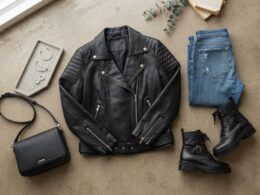
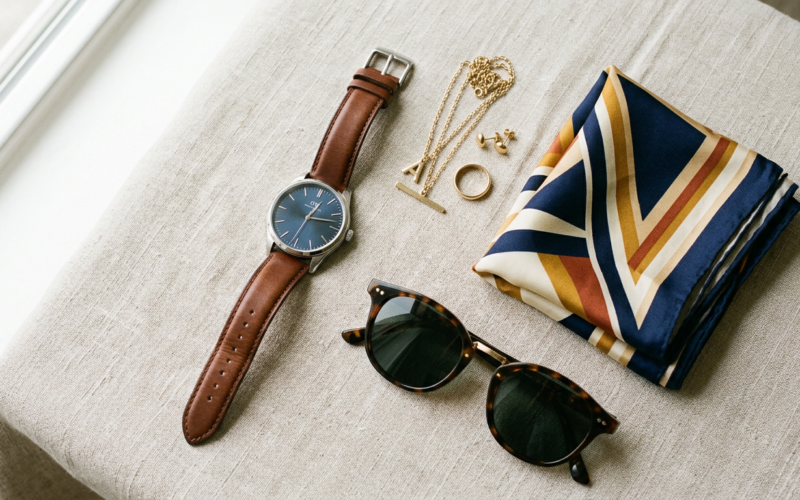
Accessorizing becomes easier when you think in terms of the main categories you have to work with. Jewelry, from necklaces and earrings to bracelets and rings, adds personality and polish. Bags are both practical and a strong style statement. Belts can define a silhouette and add a finishing touch, while scarves introduce color, texture, and warmth. Even your shoes function as a major accessory that can dress an outfit up or down, and items like hats and eyewear add character. Recognizing all the tools available to you opens up far more possibilities than focusing on jewelry alone.
Choose a focal point
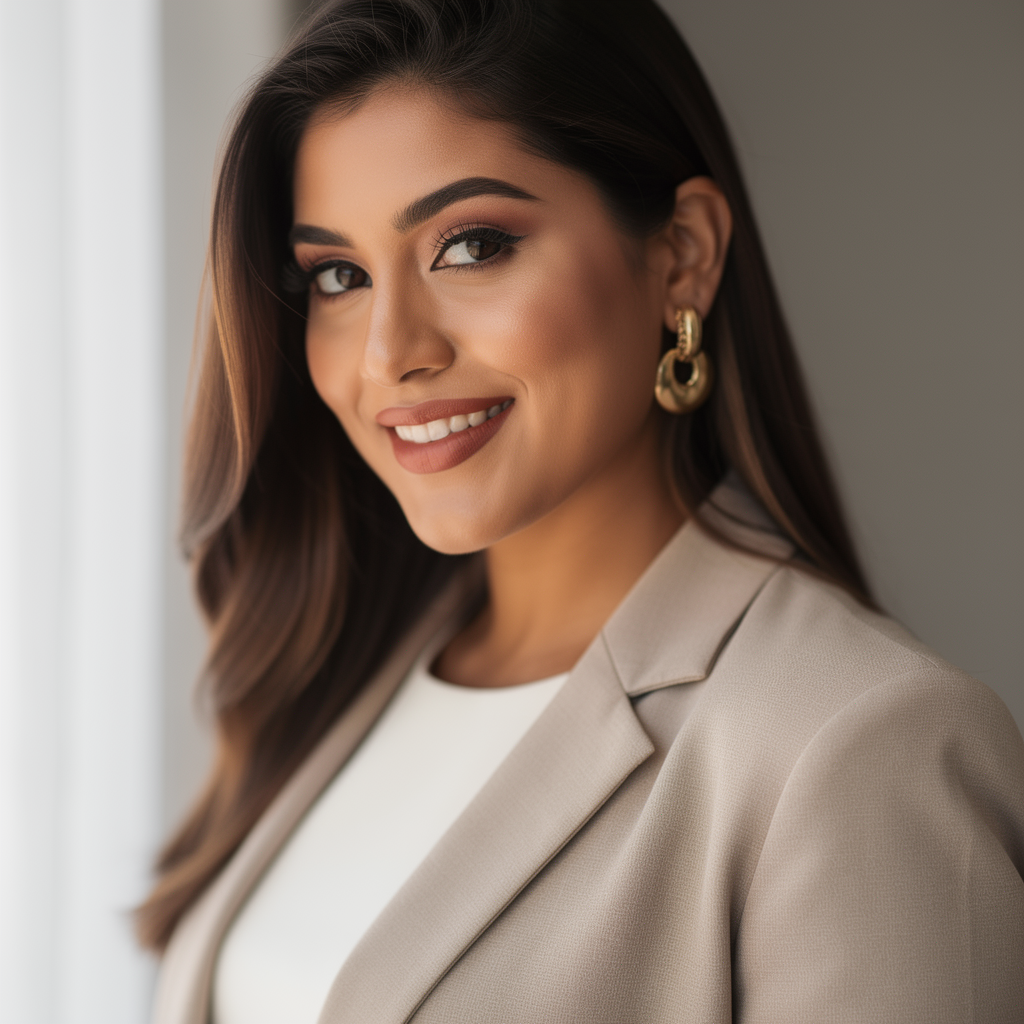
One of the most useful principles in accessorizing is that less is often more, and a common approach is to let one accessory be the star. Rather than competing statement pieces fighting for attention, choosing a single focal point, such as bold earrings or an eye-catching bag, and keeping the rest understated creates a balanced, intentional look. This prevents the cluttered effect of too much at once and ensures your standout piece gets the attention it deserves. When everything shouts, nothing stands out, so a clear focal point brings elegant clarity to an outfit.
Match the occasion and proportion
Thoughtful accessorizing takes context into account, since the pieces that suit a casual daytime outing differ from those that fit a formal evening. Matching your accessories to the occasion keeps your look appropriate and considered. Proportion and balance matter too, as the scale of your accessories should work with your outfit and your frame rather than overwhelming or disappearing. A little attention to how pieces relate in size and to the overall look ensures your accessories enhance rather than distract, which is the whole point of adding them.
Add color, personality, and quality
Accessories are a wonderful low-risk way to introduce color and personality into an outfit, especially if your clothing leans toward neutrals. A pop of color or a piece that reflects your taste can make an otherwise simple look feel distinctly yours. When building an accessory collection, a mix of quality versatile basics and a few fun statement pieces serves you well, giving you reliable go-to items plus options to express yourself. When investing in pieces like jewelry, shopping wisely matters, and the FTC consumer site offers guidance on making informed purchases.
Frequently asked questions
How do I accessorize an outfit?
Accessorize with intention rather than piling on pieces. Consider all your options, including jewelry, bags, belts, scarves, shoes, and hats, then typically choose one focal point and keep the rest understated for a balanced look. Match your accessories to the occasion, mind proportion and scale, and use them to add color and personality. Thoughtful, intentional choices are what make accessorizing effective.
What are the main types of accessories?
The main categories include jewelry such as necklaces, earrings, bracelets, and rings, along with bags, belts, and scarves. Shoes function as a major accessory that can dress an outfit up or down, and items like hats and eyewear add character too. Recognizing the full range of accessories available gives you many more ways to elevate and personalize your outfits.
Can you over-accessorize?
Yes. Wearing too many competing statement pieces at once can look cluttered and busy, with everything fighting for attention so nothing stands out. A common and effective approach is to choose one focal point and keep the rest understated. This principle of less being more creates a balanced, intentional look and lets your standout accessory shine rather than getting lost in the crowd.
How can accessories change an outfit?
Accessories can dramatically shift the mood of an outfit, taking a simple, neutral base and making it casual, dressy, seasonal, or uniquely personal. Because a single piece can transform the entire feel of a look, accessories let one set of basic clothes serve many occasions and styles. This versatility makes them a powerful and economical way to get more from your wardrobe.
Finish every look with intention
Accessories are the difference between simply wearing clothes and putting together a look. By understanding the full range available, choosing a clear focal point, matching the occasion and proportion, and using pieces to add color and personality, you can elevate any outfit with confidence. Start experimenting with the accessories you already own and build from there. To go further, see our guides on finding your personal style and looking put-together. Find more in the Style section.