
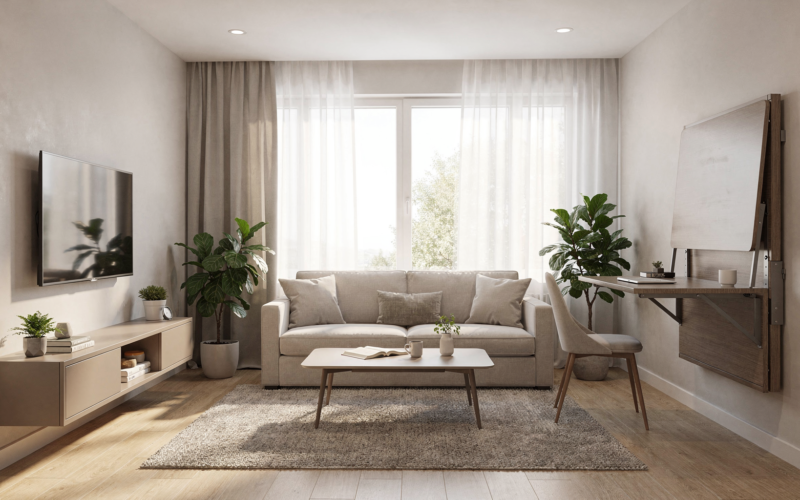
A small living room presents a genuine design puzzle, but it is one with elegant solutions. The mistake most people make is treating limited square footage as a problem to be endured rather than a space to be designed intelligently, which leads to rooms that feel cramped and cluttered no matter how much they are tidied. The truth is that how big a room feels has surprisingly little to do with its actual dimensions and a great deal to do with light, color, scale, and flow. Master those, and a compact living room can feel remarkably open and inviting.
None of the techniques that create this effect require knocking down walls or spending a fortune. They are matters of intention, of choosing the right pieces and arranging them thoughtfully, and of a few visual tricks that reliably fool the eye into perceiving more space than there is. Here is how to make a small living room feel bigger, calmer, and more like a room you actually want to spend time in.
Let the light in
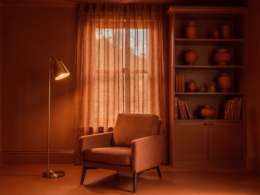
Nothing makes a small space feel larger than light, so maximizing it is the first priority. Keep window treatments light and airy to let in as much natural light as possible, since heavy, dark curtains visually shrink a room and block the openness that daylight provides. Where natural light is limited, layered artificial lighting does wonderful work, and using several sources at different heights, rather than relying on one harsh overhead fixture, creates a warm, dimensional glow that makes a room feel more expansive. Energy-efficient bulbs, which the ENERGY STAR program at ENERGY STAR covers well, come in warm tones ideal for this. Mirrors are the classic trick worth its reputation, because a well-placed mirror reflects light and creates the illusion of depth, effectively doubling the sense of space.
Choose colors that open the room
Color has a powerful effect on how large a room feels. Light, soft colors on the walls tend to recede and reflect light, making a space feel more open and airy, which is why pale neutrals are a reliable choice for small rooms. Keeping a cohesive palette throughout, rather than chopping the space into contrasting zones, helps the eye flow uninterrupted and reads as more spacious. This does not mean everything must be white and bland, but a light, harmonious foundation gives you an airy canvas that you can bring to life with more colorful accents.
Get the furniture scale right
Furniture is where small rooms are most often sabotaged, usually by pieces that are simply too big and too numerous. Choosing appropriately scaled furniture, and fewer pieces of it, leaves room to breathe and move, which reads as spaciousness. Pieces raised on legs, which let you see the floor beneath them, feel lighter and less bulky than those that sit heavily on the ground. Multifunctional furniture, such as a storage ottoman or a nesting table, earns its place by doing double duty, and being ruthless about what the room truly needs prevents the overcrowding that makes small spaces feel claustrophobic.
Create flow and breathing room
A room feels larger when you can move through it easily and when the eye has places to rest. Arranging furniture to leave clear pathways, rather than forcing people to squeeze past, makes the whole space feel more generous. Just as important is negative space, the empty areas that let a room breathe, since cramming every corner with furniture and decor has the opposite of the intended effect. A little intentional emptiness is not wasted space but the very thing that makes a small room feel open.
Go vertical and keep it clear
When floor space is limited, the answer is often to build upward. Drawing the eye upward with tall shelving, vertical decor, or curtains hung high makes a room feel taller and grander, and using vertical storage keeps your belongings off the floor where they would otherwise crowd the space. Finally, none of these tricks survive clutter, which instantly makes any room feel smaller and more chaotic, so keeping surfaces clear is essential, a habit our guide to decluttering your home can help you build. An uncluttered small room will always feel bigger than a cluttered large one.
Frequently asked questions
How do I make my small living room look bigger?
Maximize light with airy window treatments, layered lighting, and mirrors, use light, cohesive wall colors, and choose appropriately scaled furniture with visible legs rather than bulky oversized pieces. Keep clear pathways, embrace some empty space, draw the eye upward with vertical elements, and keep clutter at bay. Together these tricks make a compact room feel noticeably more open.
What colors make a small room look bigger?
Light, soft colors like pale neutrals tend to make a room feel larger because they reflect light and visually recede. Keeping a cohesive palette throughout the space, rather than breaking it up with strong contrasts, helps the eye flow and reads as more spacious. You can still add personality through colorful accents against this airy, light foundation.
What furniture is best for a small living room?
Appropriately scaled furniture, and fewer pieces of it, works best, ideally with pieces raised on legs so you can see the floor, which feels lighter. Multifunctional items like storage ottomans earn their place by serving two purposes. Avoiding oversized or excessive furniture is key, since overcrowding is what makes small living rooms feel cramped and claustrophobic.
Do mirrors really make a room look bigger?
Yes, mirrors are one of the most effective tricks for small spaces. A well-placed mirror reflects both natural and artificial light and creates an illusion of depth, effectively making the room feel larger and brighter. Positioning one to reflect a window or a light source amplifies the effect, which is why designers rely on mirrors so often in compact rooms.
Small room, big feel
A small living room is not a limitation but an invitation to design smartly. By maximizing light, choosing airy colors, scaling your furniture thoughtfully, preserving flow and breathing room, and building upward while keeping clutter away, you can make even a modest space feel open and welcoming. For more ways to elevate your space, see our guides on choosing paint colors and making your home look expensive on a budget. Find more in the Interior section.


Comments 1
Comments are closed.