There are few hobbies as quietly rewarding as growing your own vegetables. There is a real magic to planting a seed, tending it, and eventually eating something you grew with your own hands, and the flavor of a homegrown tomato or a fresh-picked bean is genuinely different from anything at the store. Yet many people who would love to start a garden hold back, intimidated by the sense that gardening requires special knowledge or a green thumb. The truth is that success as a beginner comes down largely to choosing the right crops, and some vegetables are wonderfully forgiving.
Starting with easy, reliable vegetables builds your confidence and gives you the early wins that keep you gardening, rather than the frustration that makes beginners give up. Once you understand which crops are beginner-friendly and grasp a few basics, a productive vegetable garden is well within reach. This guide covers the best vegetables to grow when you are starting out and the fundamentals that help them thrive.
Why crop choice matters most for beginners
The single biggest factor in a beginner’s success is not skill or fancy equipment but choosing forgiving vegetables that tolerate mistakes. Some crops are fussy about conditions and prone to problems that discourage newcomers, while others grow readily, produce generously, and shrug off the inevitable beginner errors. Starting with the easy ones means you get to experience the satisfaction of a real harvest early, which builds the confidence and enthusiasm to keep going and eventually branch out. Setting yourself up with reliable crops is the smartest thing a new gardener can do.
The easiest vegetables to start with
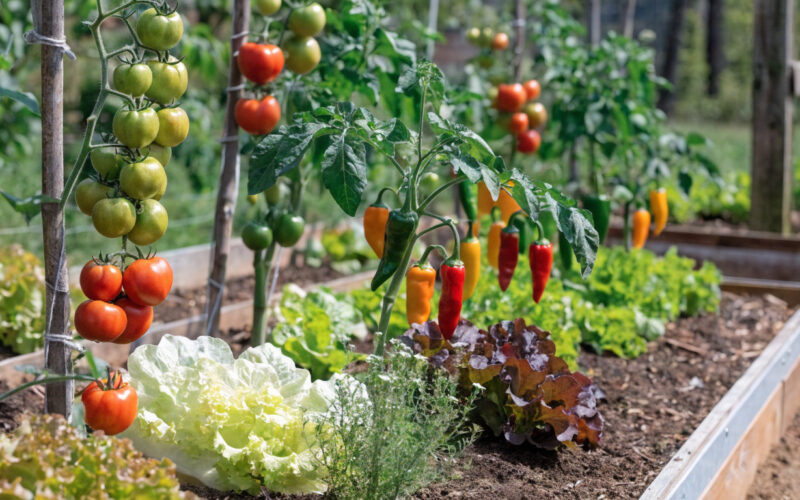
Several vegetables are famous for being nearly foolproof. Leafy greens like lettuce and spinach grow quickly and let you harvest repeatedly, offering fast, encouraging results. Tomatoes, especially cherry varieties, are enormously popular for good reason, producing abundantly through the season. Zucchini and other summer squash are so productive they become a running joke among gardeners. Radishes mature in weeks, giving near-instant gratification, and green beans, peppers, and cucumbers are all reliable and rewarding. Herbs like basil and mint are among the easiest edibles of all. Starting with a few of these sets you up for a genuinely satisfying first season.
Get the basics right
Even the easiest vegetables need a few fundamentals to thrive, and they are simple to provide. Most vegetables want plenty of sunlight, generally at least six hours a day, so choosing a sunny spot is the first key decision. Good soil matters too, and enriching your soil with compost gives plants the nutrients they need. Consistent watering, keeping the soil moist but not waterlogged, keeps plants healthy, and giving each plant enough space to grow prevents crowding and disease. It also helps to know your region’s growing conditions, and the USDA plant hardiness zone information at USDA.gov helps you understand what grows well and when to plant in your area.
Start small and containers count
One of the most common beginner mistakes is starting too big, planting an ambitious garden that quickly becomes overwhelming to maintain. It is far better to begin with a small, manageable plot or even a few containers, master the basics, and expand as your confidence grows. Container gardening is an excellent entry point, letting you grow vegetables on a patio, balcony, or small yard with less weeding and easier control over soil and water. Many of the beginner-friendly vegetables, from tomatoes to herbs to lettuce, grow beautifully in pots. Starting small keeps gardening enjoyable rather than turning it into a chore.
Enjoy the process
Finally, it helps to approach your first garden with curiosity rather than perfectionism. Not everything will succeed, and that is completely normal, even for experienced gardeners, since weather, pests, and simple luck all play a role. Treating each season as a learning experience, celebrating what grows well and shrugging off what does not, keeps the hobby joyful and sustainable. Gardening is meant to be relaxing and rewarding, not a source of stress. The goal in your first season is not a perfect harvest but the pleasure of growing something and the confidence to keep going.
Frequently asked questions
What vegetables are easiest to grow for beginners?
Some of the most forgiving crops include leafy greens like lettuce and spinach, cherry tomatoes, zucchini and summer squash, radishes, green beans, peppers, cucumbers, and herbs like basil. These grow readily, produce generously, and tolerate beginner mistakes, giving you early harvests that build confidence. Starting with a few of these sets you up for a rewarding first season.
How do I start a vegetable garden as a beginner?
Begin by choosing a sunny spot with at least six hours of daily sun, enrich the soil with compost, and start small with a manageable plot or a few containers. Pick easy, forgiving vegetables, water consistently, and give plants enough space. Learn your region’s growing conditions, and treat the first season as a learning experience rather than aiming for perfection.
Can I grow vegetables in containers?
Absolutely, and containers are an excellent entry point for beginners. Many easy vegetables, including tomatoes, peppers, lettuce, and herbs, grow beautifully in pots, and container gardening means less weeding and easier control over soil and water. It also lets you garden on a patio, balcony, or small yard. Starting with containers is a low-pressure way to learn the basics.
How much sun do vegetables need?
Most vegetables need plenty of sunlight to thrive, generally at least six hours of direct sun per day, with fruiting crops like tomatoes and peppers wanting even more. Leafy greens can tolerate a bit less. Choosing a sunny location is one of the most important decisions for a productive garden, so observe your yard and pick the brightest available spot.
Grow your first harvest
Growing your own vegetables is one of the most rewarding things you can do, and success as a beginner starts with choosing forgiving crops and getting a few basics right. Start small, plant the easy winners, give them sun, good soil, and steady water, and enjoy the learning along the way. For more, see our guides to getting rid of weeds naturally and cheap backyard landscaping ideas. Find more in the Gardening and Home section.