Weeds are the most persistent opponents in any yard, and the instinct to reach for a powerful chemical spray is understandable when they keep coming back. But many gardeners would rather not douse the ground where their children and pets play, or where they grow their own food, in harsh herbicides. The good news is that you can keep weeds under control using natural methods that genuinely work, provided you understand which approaches are effective and which are simply popular internet folklore.
Winning the weed battle naturally is less about finding one magic spray and more about a combination of prevention, timely removal, and a few targeted natural treatments. It takes a little more thought than blanketing everything in chemicals, but it is safer, often cheaper, and surprisingly effective once you know the strategy.
Prevention is the real secret
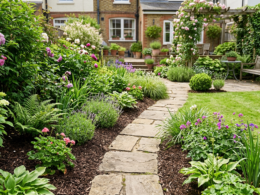
The most effective weed control happens before weeds ever take hold, which is why the best gardeners focus on prevention rather than cure. A thick layer of mulch over garden beds is one of the most powerful tools available, because it blocks the sunlight weed seeds need to germinate while also retaining moisture and improving the soil. Planting densely so that desirable plants shade the ground leaves weeds little room and light to establish themselves.
A healthy, thick lawn does the same job on turf, crowding out weeds before they can gain a foothold, which is why proper mowing, watering, and feeding of your grass is itself a form of weed control. Denying weeds the bare soil and sunlight they need is far easier than fighting them once they are established.
Manual removal, done right
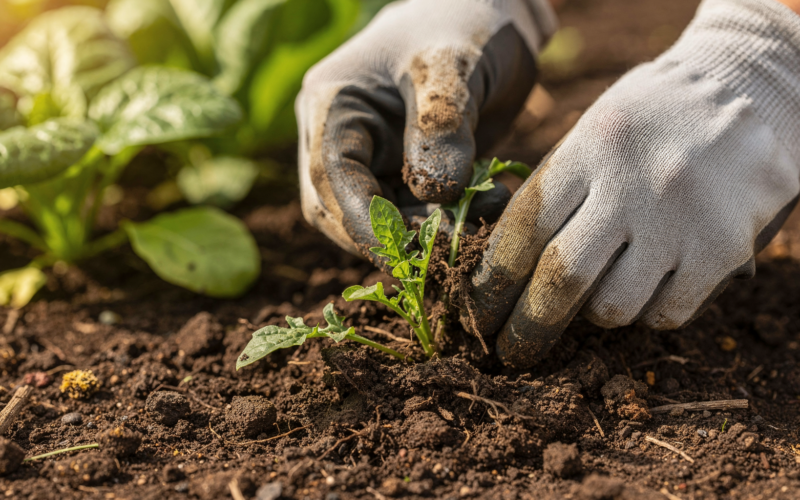
Sometimes the simplest method is the best, and pulling weeds by hand remains one of the most effective and satisfying approaches. The key is technique and timing. Weeding is far easier after rain or watering, when the soil is soft and the entire root slips out rather than snapping off, and removing the whole root matters enormously because many weeds regrow from any piece left behind. Pulling weeds while they are young, before they flower and set seed, prevents the next generation and keeps the problem from multiplying.
A good weeding tool that helps you get under the root makes the job quicker and more thorough, and staying on top of weeds with regular short sessions is far less work than facing an overgrown bed all at once.
Natural treatments that actually work
For weeds in the cracks of a patio, driveway, or path, a few natural treatments are genuinely effective. Boiling water poured directly onto a weed cooks it and is remarkably effective on plants growing in pavement cracks. Smothering an area by covering it with cardboard or thick layers of material blocks all light and kills what is beneath over time, which works well for clearing a bed or reclaiming an overgrown space. Some gardeners have success with horticultural vinegar solutions on young weeds in hardscaped areas, though these work best on small, tender growth and can harm nearby plants, so they must be applied carefully.
It is worth remembering that natural does not automatically mean harmless to everything, since even boiling water and vinegar will damage any plant they touch. For balanced, science-based guidance on managing weeds and pests with the least risk, the Environmental Protection Agency’s resources at EPA.gov are a trustworthy reference.
Separating solutions from myths
The internet is full of weed remedies, and not all of them hold up. Some homemade concoctions do little beyond wasting your time, and certain popular mixtures can harm your soil or surrounding plants more than they help. The approaches with the best track record remain the straightforward ones: prevention through mulch and dense planting, diligent hand-pulling of young weeds with their roots, boiling water and smothering for hardscape and cleared areas, and maintaining healthy turf. When a remedy sounds too easy or too clever, a little skepticism usually serves your garden well.
Frequently asked questions
What kills weeds permanently and naturally?
No method kills weeds permanently, because new seeds constantly arrive on the wind and in the soil, but you can control them effectively without chemicals. The most durable results come from prevention through thick mulch and dense planting, combined with diligent removal of young weeds before they seed. For hardscape, boiling water and smothering are effective natural options.
Does vinegar really kill weeds?
Vinegar can damage and kill young, tender weeds, especially stronger horticultural strengths, but it works best on small growth in hardscaped areas like driveway cracks. It does not reliably kill established weeds down to the root, and it will harm any desirable plants it touches, so it must be applied carefully and is not a cure-all.
Is mulch good for controlling weeds?
Yes, mulch is one of the best natural weed-control tools available. A thick layer blocks the sunlight that weed seeds need to germinate, dramatically reducing how many take hold, while also retaining soil moisture and improving the soil as it breaks down. Mulching garden beds is a simple, effective way to prevent weeds before they start.
How do I get rid of weeds without killing my grass?
The best approach is to grow a thick, healthy lawn that naturally crowds out weeds through proper mowing, watering, and feeding. For existing weeds in turf, careful hand-pulling of the whole root is the safest natural method, since broad natural treatments like vinegar and boiling water will also damage the surrounding grass. Prevention and spot removal protect the lawn.
Win the weed war naturally
You can keep weeds in check without reaching for harsh chemicals, as long as you lean on prevention, remove young weeds thoroughly, and use effective natural treatments where they make sense. It takes a little diligence, but the result is a healthy, safe yard you can enjoy without worry. To build a garden that leaves weeds little room in the first place, see our cheap backyard landscaping ideas and guide to growing vegetables for beginners. Find more in the Gardening and Home Improvement section.