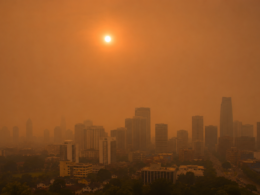
Extreme heat rarely gets the dramatic coverage that storms and hurricanes do, which is part of why it is so dangerous. There is no roaring wind or dramatic footage, just rising temperatures that quietly overwhelm the body, and yet heat is consistently among the deadliest weather hazards there is. Heat illness can come on faster than people expect and affect anyone, not just the obviously vulnerable, which makes understanding how to stay safe during a heat wave genuinely important knowledge rather than just seasonal common sense.
The reassuring part is that heat-related illness is largely preventable with the right precautions. Staying cool, staying hydrated, adjusting your activity, and knowing the warning signs are simple measures that dramatically reduce the risk. This guide covers how to protect yourself and, just as importantly, the people around you who may be most at risk when the temperature climbs.
Why heat is so dangerous
Your body works hard to maintain a stable internal temperature, and in extreme heat that system can become overwhelmed, especially when high humidity prevents sweat from cooling you effectively. When the body cannot shed heat fast enough, it can progress from heat exhaustion to heat stroke, a life-threatening emergency. The danger is compounded by how gradually it can creep up, since people often do not realize how much the heat is affecting them until they are already in trouble. The Centers for Disease Control and Prevention at CDC.gov provides authoritative guidance on heat and health.
Stay cool
The most effective defense against extreme heat is simply staying cool, which usually means staying indoors in air conditioning during the hottest part of the day. If you do not have air conditioning at home, spending time in public places that do, such as libraries, shopping centers, or designated cooling locations, can be genuinely protective during a severe heat wave. When you must be outside, seeking shade, wearing loose, light-colored clothing, and using a hat and sunscreen all help. A cool shower or bath and damp cloths on the skin can also bring your temperature down when you feel yourself overheating.
Stay hydrated
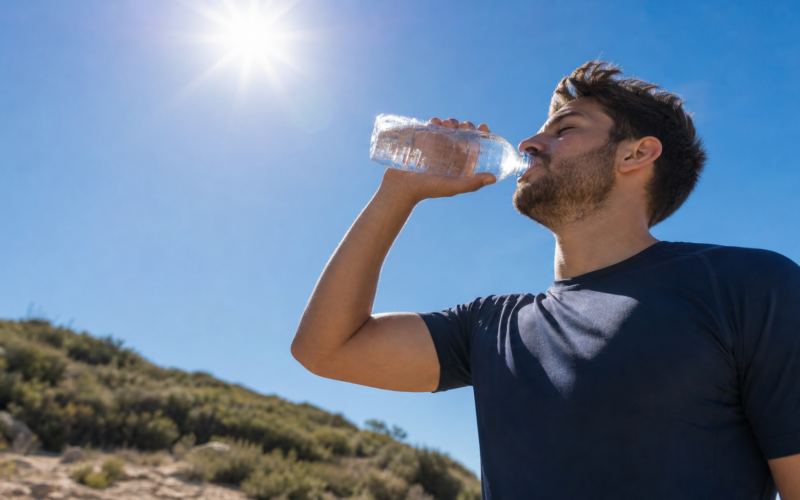
Heat and dehydration go hand in hand, so drinking plenty of water is essential during hot weather, even before you feel thirsty, since thirst often lags behind your body’s actual need. It is wise to drink regularly throughout the day rather than waiting, and to be aware that alcohol and sugary drinks are poor substitutes and can worsen dehydration. Keeping water with you and sipping consistently is a simple habit that does a great deal to keep your body functioning safely in the heat.
Adjust your activity and know the signs
During extreme heat, timing your activity matters, so strenuous outdoor work or exercise is best done in the cooler early morning or evening rather than the peak afternoon heat, and taking frequent breaks in the shade or indoors is important. Just as vital is recognizing the warning signs of heat illness, which include heavy sweating, weakness, dizziness, nausea, and a rapid pulse. If someone shows signs of heat stroke, such as confusion, a very high body temperature, or loss of consciousness, that is a medical emergency requiring immediate help while you work to cool them down. Knowing these signs allows you to act before a dangerous situation becomes a tragic one.
Protect those most at risk
Some people are far more vulnerable to heat, including older adults, young children, people with certain health conditions, and those without access to cooling. Checking on elderly neighbors and relatives during a heat wave can be lifesaving, since they may not recognize or report how the heat is affecting them. And one rule bears repeating every summer without exception: never leave children or pets in a parked car, even briefly, because interior temperatures can rise to deadly levels within minutes. A moment of vigilance prevents an unthinkable outcome.
Frequently asked questions
What are the signs of heat illness?
Early warning signs of heat exhaustion include heavy sweating, weakness, dizziness, nausea, headache, and a rapid pulse. More serious heat stroke can involve confusion, a very high body temperature, hot dry skin, and loss of consciousness, and it is a medical emergency requiring immediate help. Recognizing these signs early and acting to cool down can prevent a dangerous progression.
How can I stay cool without air conditioning?
Spend time in public places that have air conditioning, such as libraries or cooling centers, during the hottest hours. At home, close blinds against the sun, use fans, take cool showers, and apply damp cloths to your skin. Wear loose, light clothing, stay hydrated, and rest during peak heat. Seeking shade and avoiding strenuous activity in the afternoon also helps considerably.
How much water should I drink in extreme heat?
Drink water regularly throughout the day rather than waiting until you feel thirsty, since thirst lags behind your body’s needs in the heat. Keep water with you and sip consistently, especially if you are active or outdoors. Avoid relying on alcohol or sugary drinks, which can worsen dehydration. Staying well hydrated is one of the most important defenses against heat illness.
Who is most at risk during a heat wave?
Older adults, young children, people with certain medical conditions, and those without access to cooling are most vulnerable to extreme heat. Checking on elderly neighbors and relatives during heat waves can be lifesaving. And children and pets should never be left in parked cars, where temperatures can climb to deadly levels within minutes, even on days that do not feel extreme.
Respect the heat and stay safe
Extreme heat is a quiet but serious hazard, and it deserves real respect. By staying cool, drinking plenty of water, adjusting when you exert yourself, recognizing the signs of heat illness, and looking out for the most vulnerable, you can move through even a severe heat wave safely. For more on weathering tough conditions, see our guides on preparing for a power outage and understanding severe weather alerts. Find more in the Weather section.