
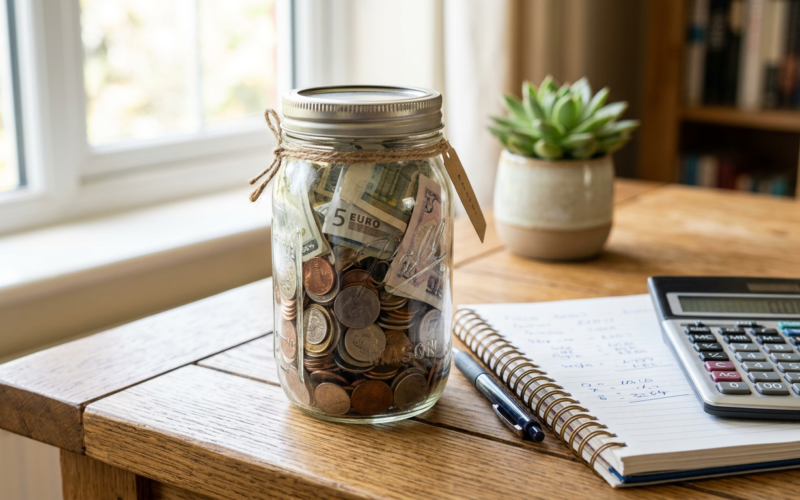
Life has a way of sending unexpected bills at the worst possible times, whether it is a car repair, a medical expense, or a sudden loss of income. For people without a financial cushion, these surprises often mean reaching for a credit card or a loan, which turns a one-time problem into months or years of debt. An emergency fund exists to break that cycle. It is a pool of money set aside specifically to cover life’s curveballs, and building one is arguably the most important first step toward genuine financial stability.
The idea is simple, but for many people the challenge feels enormous, especially when money is already tight. The good news is that an emergency fund is built the same way any large goal is reached, which is gradually, through consistent small steps rather than one heroic effort. You do not need to save it all at once, and you do not need a large income to begin. This is a practical guide to building that cushion from scratch. It is general information rather than personalized financial advice, so consider your own situation and a qualified professional when needed.
Why an emergency fund matters so much
The core value of an emergency fund is that it stands between you and debt when something goes wrong. Without one, an unexpected expense forces you to borrow, often at high interest, which compounds the original problem. With one, that same expense becomes an inconvenience rather than a catastrophe, and you handle it and move on. Beyond the math, there is a real peace of mind that comes from knowing you can absorb a shock, and that reduced financial stress spills over into the rest of your life.
How much should you save?
The right size for an emergency fund depends on your circumstances, but the common guidance offers a clear path. Rather than being intimidated by a large final number, start with an achievable milestone, such as saving a modest starter amount that would cover a small emergency. Once you reach that, the widely cited longer-term goal is to build toward enough to cover roughly three to six months of essential living expenses, which provides a genuine safety net in the event of a larger disruption like a job loss. Someone with a very stable income might aim toward the lower end, while those with variable income or dependents often benefit from more.
Where to keep your emergency fund
An emergency fund needs to balance two qualities, being accessible when you need it but not so accessible that you spend it on everyday temptations. For that reason, the money is best kept separate from your regular checking account, ideally in a dedicated savings account. A high-yield savings account is a popular choice because it keeps your money safe and available while earning some interest, so it grows modestly rather than sitting idle. What you generally want to avoid is locking emergency money into investments that can lose value or that you cannot access quickly, since the whole point is reliable availability. The Consumer Financial Protection Bureau at consumerfinance.gov offers free, trustworthy guidance on emergency savings.
How to actually build it
The most reliable way to build an emergency fund is to make saving automatic, so it happens without relying on willpower. Setting up an automatic transfer to your savings account each payday, even a small one, means the fund grows steadily in the background before you have a chance to spend the money. Starting small is not just acceptable but wise, because the habit matters more than the amount at first, and small contributions add up faster than people expect. Directing any windfalls, such as a tax refund, bonus, or gift, straight into the fund can accelerate your progress significantly. Reviewing your spending for a few expenses you can pause and redirect toward savings also helps.
Using it, and building it back
An emergency fund is meant to be used, so when a genuine emergency arises, using it is a success rather than a failure, because that is exactly what it was for. The key is to be honest about what counts as an emergency, reserving it for true necessities rather than wants. After you draw on it, making it a priority to replenish what you used restores your safety net for the next surprise, which is simply part of how the fund works over time.
Frequently asked questions
How much should be in an emergency fund?
A common approach is to start with a small, achievable milestone that would cover a minor emergency, then build toward roughly three to six months of essential living expenses over time. The right amount varies with your situation, so those with unstable income or dependents may aim higher. The most important thing is to start, since any emergency fund is far better than none.
Where should I keep my emergency fund?
Keep it accessible but separate from your everyday spending, typically in a dedicated savings account rather than your checking account. A high-yield savings account is popular because it keeps the money safe and available while earning some interest. Avoid locking emergency money into investments that can lose value or that you cannot quickly access, since reliable availability is the whole point.
How do I build an emergency fund on a low income?
Start small and make it automatic. Even a modest recurring transfer each payday builds the fund steadily without depending on willpower, and small amounts add up over time. Directing any windfalls like tax refunds into savings speeds things along, and reviewing your spending for a few expenses to redirect helps. The habit of consistent saving matters more than the size of each deposit.
What counts as a real emergency?
An emergency fund is for genuine, unexpected necessities such as an urgent car or home repair, a medical bill, or covering essentials during a loss of income. It is not meant for planned purchases, wants, or routine expenses. Being honest about the difference keeps the fund available for true emergencies, and replenishing it after use keeps your safety net intact.
Start your safety net today
An emergency fund transforms financial surprises from crises into manageable bumps, and it is the foundation everything else in your financial life is built on. Begin with a small goal, automate your saving, keep the money accessible but separate, and build it back whenever you use it. The best time to start is now, with whatever you can spare. To make room in your budget for saving, see our guide on how to make a budget that works, and once your cushion is solid, learn about investing for beginners. Find more in the Finance section. This article is for general information and is not financial advice.