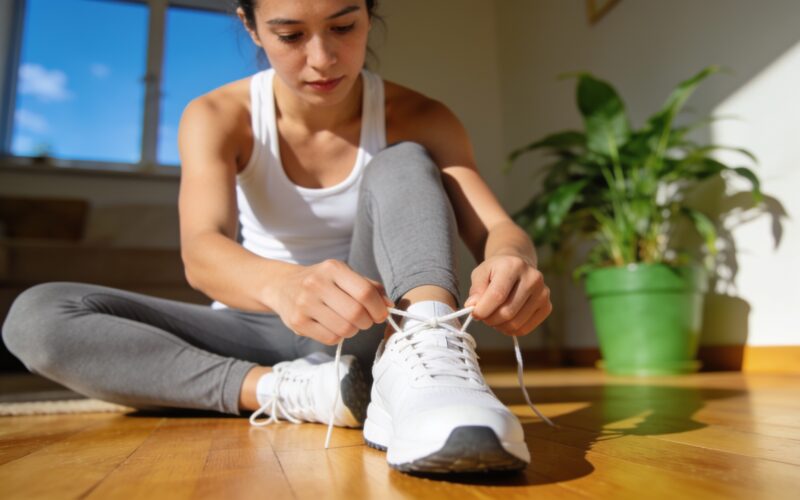
Starting to exercise after a long time away, or for the very first time, can feel genuinely intimidating. The fitness world is full of intense workouts, complicated programs, and images of people who seem to have it all figured out, and it is easy to conclude that getting started requires more knowledge, equipment, and willpower than you have. The truth is far kinder. You do not need a gym membership, an elaborate plan, or heroic motivation to begin. You need a gentle start and the willingness to keep showing up, and everything else follows from there.
The single biggest mistake beginners make is doing too much too soon, throwing themselves into a punishing routine that leaves them sore, discouraged, and quitting within a week. Sustainable fitness is built the opposite way, by starting small and letting the habit grow. This guide is about beginning sensibly and building something that lasts, rather than burning out in a burst of enthusiasm. As a sensible first step, it is worth checking with your doctor before starting a new exercise program, especially if you have any health concerns.
Start smaller than you think you should
The instinct when starting out is to go all in, but that intensity is exactly what derails most beginners. Starting with a modest, manageable amount of activity, something that feels almost too easy, is what allows your body to adapt and your habit to form without the soreness and overwhelm that lead to quitting. A short walk, a few minutes of movement, a gentle beginner routine, these humble beginnings are not a compromise but the correct approach. You can always build up, and building up from a sustainable start is far more effective than crashing down from an unsustainable one.
Choose something you actually enjoy
Exercise you dread is exercise you will abandon, so one of the most important factors in sticking with it is genuine enjoyment. Rather than forcing yourself into a type of activity you hate because you think you should, explore until you find movement you actually like, whether that is walking, dancing, cycling, swimming, a sport, or a class. When you enjoy what you are doing, showing up stops being a battle of willpower and becomes something you look forward to, which is the foundation of a lasting habit.
Prioritize consistency over intensity
It is tempting to believe that a workout only counts if it is grueling, but for building a lasting habit, consistency matters far more than intensity. Moving regularly at a moderate level does more for your long-term health and fitness than the occasional brutal session followed by days of recovery and dread. Aiming to be active most days, even in small ways, builds the routine and the fitness base that everything else rests on. The Centers for Disease Control and Prevention at CDC.gov offers clear, trustworthy physical activity guidance for adults.
Include a variety of movement
A well-rounded approach to fitness includes a few different kinds of movement, though beginners need not do everything at once. Activities that get your heart rate up support cardiovascular health, some form of strength or resistance work helps build and maintain muscle, and gentle flexibility and mobility work keeps you moving comfortably. You can start with whatever is most accessible and enjoyable and gradually add variety as you build confidence, rather than feeling you must master a complex program from day one.
Listen to your body and rest
Rest is not the opposite of progress but a part of it, and learning to listen to your body protects you from injury and burnout. Some muscle soreness is normal when you begin, but sharp pain is a signal to stop, and pushing through it can set you back weeks. Building in rest days allows your body to recover and grow stronger, and treating rest as essential rather than lazy is part of a healthy, sustainable approach. Judging your progress by how you feel, your energy, your mood, your strength, rather than by any single number, keeps your relationship with exercise positive.
Frequently asked questions
How do I start exercising as a beginner?
Start smaller than you think you should, with a manageable amount of activity that feels easy, and build up gradually. Choose something you genuinely enjoy so showing up is not a battle, prioritize consistency over intensity, include some variety over time, and build in rest days. Checking with your doctor before starting is wise. This gentle approach is what makes an exercise habit last.
How often should a beginner exercise?
Consistency matters more than intensity, so aiming to be active most days, even in small ways, is more effective than occasional intense sessions. Beginners should start with a manageable frequency and duration, allow for rest days so the body can recover, and gradually increase as fitness improves. General physical activity guidelines from a source like the CDC offer helpful targets to build toward over time.
What is the biggest mistake beginners make with exercise?
Doing too much too soon is the classic and most damaging mistake. Throwing yourself into an intense routine leaves you sore, overwhelmed, and likely to quit within days. Sustainable fitness comes from starting small and building gradually, letting the habit form without burnout. A modest, consistent start almost always beats an ambitious one that collapses after a week.
Do I need a gym to start exercising?
Not at all. Plenty of effective exercise requires no gym or equipment, from walking and bodyweight workouts to dancing and cycling. Starting at home or outdoors removes cost and intimidation as barriers. A gym can be useful later if you enjoy it, but it is never a requirement for beginning, getting fit, or building a lasting, healthy exercise habit.
Begin where you are
Getting started with exercise is not about willpower or the perfect program. It is about beginning gently, choosing movement you enjoy, showing up consistently, and being kind to your body along the way. Start small, celebrate the habit rather than fixating on numbers, and let your fitness grow naturally over time. When you are ready to move without any equipment, see our guide to home workouts with no equipment, and learn how to stay motivated. Find more in the Exercise section. This article is general information and not a substitute for medical advice.