Cooking in bulk is one of the most reliable ways to eat well while spending less, but the phrase “batch cooking on a budget” can feel like a contradiction when grocery prices seem to climb every trip. The good news is that cooking in larger quantities is naturally suited to saving money, if you shop and plan with a little intention. This is a practical guide to stretching a grocery budget through smart batch cooking, with concrete tactics you can use on your very next shopping trip.
Why batch cooking saves money in the first place
The core saving is simple: buying and cooking in larger quantities lowers the cost per portion. Bigger packs of staples usually cost less per unit, energy used to cook one large tray is more efficient than several small ones, and having ready made meals at home dramatically cuts the impulse spending on takeout that quietly drains most food budgets. Before you even change what you buy, simply cooking more at once and eating out less does much of the work.
Build meals around cheap, versatile staples
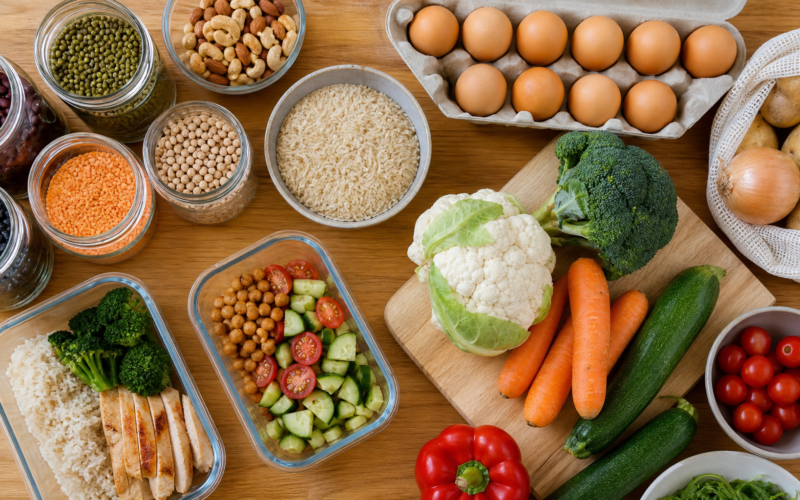
The foundation of budget batch cooking is a short list of inexpensive, filling staples: dried beans and lentils, rice and other grains, oats, potatoes, eggs, and frozen vegetables. These ingredients are cheap, store for a long time, and combine into countless meals. Dried legumes in particular are one of the best values in any store, offering protein and bulk for a fraction of the cost of meat. Anchor your cooking to these, and treat pricier items as accents rather than the main event.
Shop the sales and plan backwards
A powerful habit is to let the deals shape the menu rather than the other way around. Check what is discounted or in season, then plan your batch meals around those items. Seasonal produce is almost always cheaper and better, and building a week’s cooking around a marked down protein or a bulk vegetable can cut a bill significantly. Planning backwards from sales, instead of forcing a rigid shopping list, is one of the simplest ways to keep costs down without feeling deprived.
Use meat as a flavoring, not the centerpiece
Meat is often the single most expensive item in a cart, so stretching it is one of the fastest routes to savings. Instead of building a meal around a large portion of protein, use smaller amounts to flavor dishes rich in beans, grains, and vegetables. A modest quantity of a well seasoned protein can carry a big pot of chili, a hearty soup, or a grain bowl. You get the taste you want while the cheaper ingredients do the heavy lifting on volume.
The freezer is your best friend
Freezing is what makes budget batch cooking practical. Cooking a large pot and freezing portions means you buy in bulk, cook once, and eat over weeks without waste. Soups, stews, chili, cooked grains, and sauces all freeze beautifully. Label containers with the date, freeze in single serving sizes for easy reheating, and you effectively build a personal ready meal supply at a fraction of store cost. This also rescues food that might otherwise spoil before you can use it.
Cut waste to stretch every dollar
Wasted food is wasted money, so reducing waste is a direct saving. Use vegetable scraps and bones to make stock, repurpose leftovers into new meals, and store food properly so it lasts. Planning portions realistically prevents the all too common cycle of cooking too much, forgetting it, and throwing it out. Treating your fridge as an inventory to work through, rather than a place where food goes to be forgotten, keeps more money in your pocket over time.
Make it a sustainable habit
The final piece is consistency, and that comes from keeping the system simple. Pick a handful of cheap, reliable meals you genuinely enjoy, rotate them, and lean on your staples and freezer. Budget batch cooking works best as a comfortable routine rather than a strict regime, and it pairs naturally with a broader approach to prepping food efficiently, which we cover in our guide to meal prep that actually sticks. Combine the two and you have a genuinely money saving kitchen habit.
Frequently Asked Questions
Why does batch cooking save money? Cooking in bulk lowers the cost per portion, uses energy more efficiently, and cuts the impulse takeout spending that drains most food budgets.
What are the best budget staples? Dried beans and lentils, rice and grains, oats, potatoes, eggs, and frozen vegetables. They are cheap, filling, and store well.
How do I plan around a budget? Let sales and seasonal produce shape your menu, planning your batch meals around what is discounted rather than forcing a fixed list.
How can I make meat go further? Use smaller amounts to flavor dishes built on beans, grains, and vegetables, so cheaper ingredients provide the bulk.
What should I freeze? Soups, stews, chili, cooked grains, and sauces all freeze well. Portion them into single servings and label with the date.
How do I reduce food waste? Make stock from scraps, repurpose leftovers, store food properly, and plan realistic portions so nothing is forgotten and thrown out.