
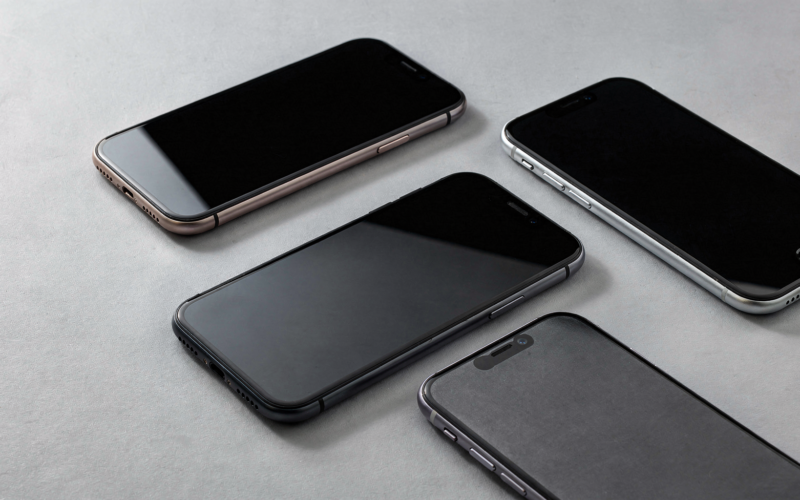
Not long ago, buying a good smartphone meant spending close to a thousand dollars, and anything cheaper felt like a compromise you would come to regret within a year. That is simply no longer the case. The features that once defined premium phones, from sharp displays and capable cameras to genuinely quick performance, have steadily trickled down into devices costing a fraction of the flagship price. For most people, the honest truth is that a carefully chosen budget phone now handles everything they actually do, and the money left in your pocket is substantial.
The catch is that the budget category is uneven. For every phone that punches far above its price, there is another that cuts corners in ways you will feel every single day. Knowing what genuinely matters, what you can safely give up, and where the real traps are hidden is the difference between a smart bargain and a purchase you quietly resent every time you pick it up. Here is how to spend less without actually ending up with less.
What you give up at a lower price, and what you keep
Being clear-eyed about the trade-offs is what makes a budget phone feel like a win rather than a sacrifice. At lower prices, you generally give up the very best low-light camera performance, the fastest possible processors, premium materials like glass and metal in favor of quality plastic, and conveniences such as wireless charging or water resistance. These are real differences, but for a lot of people they are differences that live on a spec sheet more than in daily life.
What you keep is more important than what you lose. Modern budget phones deliver smooth performance for the things most people actually do, which is messaging, browsing, streaming, navigation, and social media. They come with large, bright screens that are genuinely pleasant to look at, cameras that take excellent photos in good light, and battery life that frequently outlasts the pricier flagships, because manufacturers pack big batteries into phones that are not straining to power the most demanding hardware. For everyday use, the experience is far closer to a flagship than the price difference would suggest.
The specs that actually matter
Marketing pages bury the important numbers under a pile of ones that do not matter, so it helps to know where to focus. Memory and storage sit near the top of the list, because a phone with too little of either will feel sluggish and fill up fast no matter how good the rest of it is. Aim for a comfortable amount of storage and enough memory to keep several apps running without constant reloading. Battery capacity is the next thing worth checking, since a larger battery is the most reliable predictor of getting through a full day.
The single most overlooked spec, and arguably the most important, is how long the phone will receive software and security updates. A cheap phone that stops getting updates in a year is a false economy, because it leaves you stuck with an aging, increasingly vulnerable device. A slightly pricier phone promised several years of updates is often the better long-term value. Screen quality matters too, but a good enough display is now common even at low prices, so it is rarely the thing that separates a great budget phone from a poor one.
How to shop smart
A few habits consistently lead to better phones for less money. Buying an unlocked phone rather than one tied to a single carrier gives you the freedom to switch providers and often a lower overall cost, since you are not paying it off at a markup through your monthly bill. It is also worth looking at last year’s flagship rather than this year’s budget model, because a one-year-old premium phone frequently costs about the same as a new mid-range one while offering noticeably better cameras, build, and performance.
Certified refurbished devices from reputable sellers are another quiet path to a great deal, offering hardware that has been tested and warrantied at a meaningful discount. The key word is reputable, because this is exactly the area where caution pays off.
Where to be careful
The budget end of the market attracts a certain amount of trouble, and a little wariness protects you. A deal that seems dramatically cheaper than everywhere else usually is too good to be true, whether because it is a scam, a counterfeit, or a gray-market import that will not fully work on your carrier’s network or receive proper updates. Buying used from an individual carries its own risks, from hidden damage to phones that are locked or reported lost. For practical guidance on shopping safely and avoiding the scams that cluster around electronics deals, the FTC consumer site is a trustworthy reference before you hand over any money.
Frequently asked questions
Are budget smartphones good enough for most people?
For the large majority of users, yes. Modern budget phones handle messaging, browsing, streaming, navigation, and social media smoothly, take excellent photos in good lighting, and often have better battery life than flagships. Unless you are a serious mobile photographer or gamer, a well-chosen budget phone will likely do everything you need for a fraction of the flagship price.
What is the most important spec in a cheap phone?
Software update support is the most underrated and arguably most important factor. A phone that stops receiving security updates quickly becomes a liability, so choosing one promised several years of updates protects both your experience and your data. After that, adequate memory and storage and a large battery matter most for keeping the phone fast and usable day to day.
Is it better to buy a used flagship or a new budget phone?
It depends on what you value. A used or refurbished flagship from a year or two ago often delivers a better camera, build quality, and performance for a similar price, but may have a shorter remaining window of software updates. A new budget phone gives you a fresh warranty and full update support. If you buy used, stick to reputable, warrantied sellers.
How long do budget smartphones last?
A good budget phone can comfortably last three to four years of everyday use, with the limiting factor usually being battery health and the end of software updates rather than the hardware wearing out. Choosing a model with a strong update commitment and treating the battery kindly by avoiding extreme heat will get you the most life out of it.
Spend less, get more
The smartest phone shoppers are rarely the ones who spend the most. By understanding which specs matter, buying unlocked, considering last year’s flagship, and steering clear of deals that seem too good to be true, you can walk away with a phone that feels premium for a genuinely budget price. Once your new phone is set up, our picks for the best wireless earbuds for the money pair perfectly with it, and if an older device needs a boost, see how to speed up a slow computer. Find more in the Technology and Gadgets section.