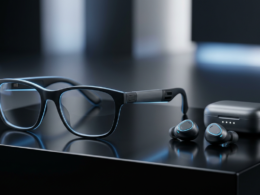
Smart glasses spent a decade as the punchline of consumer technology. That era is over. IDC counted 2.25 million units shipped worldwide in the first quarter of 2026, a 167 percent jump from the same period a year earlier. The category everybody wrote off is now the fastest growing piece of consumer hardware, and the reason is almost funny.
The Growth Is Real and It Is Not Small
A 167 percent year over year increase in a hardware category is the kind of number that only happens when a product finds its actual customer. For context, smart glasses shipped roughly 7.25 million units across all of 2025, which made them about half the entire extended reality market.
Half of XR is now a pair of sunglasses. All the money and attention that went into headsets built an industry whose best selling device is the one you can wear to lunch.
The Winning Feature Is Not the Display
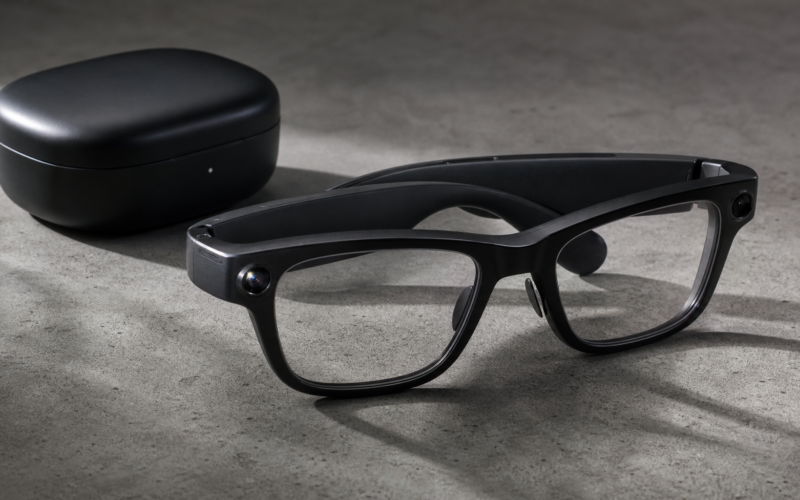
This is the part that should embarrass a lot of roadmaps. The glasses selling in volume mostly do not have screens. No overlay, no waveguide, no augmented reality. They have cameras, speakers, microphones and a voice assistant.
Ten years of industry effort went into putting a display in front of your eye, and the market answered by buying earbuds with a camera attached. Turns out people wanted hands free capture and audio far more than they wanted a floating notification.
Why Glasses Beat Headsets
Social acceptability, and nothing else comes close. A headset removes you from the room. Glasses keep you in it, and they look enough like ordinary eyewear that nobody at the table adjusts their behavior.
The other half is weight. Anything you wear on your face for eight hours has to weigh what glasses weigh. That constraint is exactly what forced manufacturers to drop the display, and dropping the display is what made the product good.
This Is Basically One Company
Be honest about the concentration. The volume is overwhelmingly Meta’s, split across the Ray-Ban and Oakley lines, with the AR specific segment led by smaller players like RayNeo, which reported the top global share of AR glasses shipments in the first quarter.
A category dominated by one vendor is a category with one product thesis. If Meta’s assumptions are wrong, the whole growth curve is wrong, and there is no second opinion in the market yet to check it against.
The Privacy Problem Did Not Get Solved
It got normalized, which is not the same thing. A camera on someone’s face recording without an obvious signal is a genuinely new social situation, and the mitigation is a small indicator light that most people around you will never learn to look for.
I do not think this is a reason to avoid the product, but it is a reason to be a considerate owner. Say out loud when you are recording. Take them off in bathrooms, locker rooms and other people’s homes. The etiquette here is being written right now by whoever buys them first.
What They Are Genuinely Good At
Hands free photos and video of things you cannot photograph with a phone. Cooking, cycling, playing with a toddler, working with tools. Point of view capture without stopping what you are doing is a real capability and it is why owners keep wearing them.
Audio is the quiet winner. Open ear speakers that let you hear traffic and a call at the same time solve a problem earbuds create. Live translation and describing what you are looking at both work now, and both are still demos more often than habits.
What to Check Before You Buy a Pair
Battery life is the specification that decides whether you keep wearing them. Marketing claims assume light use, and the number that matters is how long they last with the camera and assistant actually running, which is usually a fraction of the headline figure. Ask how many minutes of video you get, not how many hours of standby.
Then check the prescription question early. Many people who want these need corrective lenses, and whether a given frame supports your prescription, at what cost and through which optician, varies enormously. It is the single most common reason a purchase falls apart after the fact.
Finally, look at what happens to your footage. Every one of these products routes captured media through a companion app tied to an account, and the terms governing what gets uploaded, analyzed or retained differ by vendor. That is worth ten minutes of reading before you put a camera on your face permanently.
Where This Collides With the Phone
Every company in this space is making the same bet, which is that the next computing interface is worn rather than held. That is precisely the wager behind the hardware effort we covered when OpenAI started building a family of devices aimed at the phone.
My skepticism is specific. Glasses are a fantastic accessory to a phone and a poor replacement for one. There is no keyboard, no screen for anything dense, and no battery for a full day of heavy use. The winning products of the next few years will assume a phone in your pocket, not its absence.
Frequently Asked Questions
How fast are smart glasses selling?
IDC reported 2.25 million units shipped globally in the first quarter of 2026, up 167 percent year over year. The category shipped around 7.25 million units across 2025.
Do smart glasses have screens?
Most of the ones selling in volume do not. They rely on cameras, open ear speakers, microphones and a voice assistant. Display equipped augmented reality glasses remain a much smaller segment.
Which company dominates the market?
Meta, through its Ray-Ban and Oakley lines, accounts for most shipments. In the narrower AR glasses segment, RayNeo reported the leading global share in the first quarter of 2026.
Are smart glasses a privacy problem?
They introduce a real one. A face mounted camera records without the obvious posture of holding up a phone, and the indicator light is easy to miss. Owners should announce recording and remove them in private spaces.
What are they actually useful for?
Hands free photo and video capture during activities where a phone is impractical, plus open ear audio for calls and navigation. Live translation and visual description work but are used less often than the camera.
Will smart glasses replace phones?
Not soon. There is no practical text input, no display for dense information, and battery life will not carry a full day of heavy use. They are best understood as a phone accessory rather than a successor.