Bringing a dog into your life is one of the most rewarding decisions you can make, and also one of the most consequential, since a dog is a living companion who will depend on you for a decade or more. That is exactly why choosing a breed based on looks alone, or on a passing infatuation with a puppy you saw online, is such a common and painful mistake. A dog whose needs do not fit your life leads to frustration for you and, far worse, an unhappy or surrendered dog. The kinder and smarter approach is to match a dog to how you actually live.
This is not about finding the best breed, because there is no such thing in the abstract. It is about finding the right breed for you, which depends entirely on your energy, your space, your schedule, and your household. A high-energy working dog that would be perfect for an active family in the country could be miserable in a small apartment with an owner who works long hours, and the reverse is equally true. Here is how to think it through honestly.
Start with your lifestyle, not the cute factor
The single most important shift is to begin with an honest assessment of your own life rather than with a breed you find appealing. How active are you really, not how active you intend to become? How much time will the dog spend alone? Who else lives in your home, and what is your living situation? Answering these honestly, before you fall for any particular dog, keeps you from choosing an animal whose needs you cannot realistically meet. The goal is a match that works on your ordinary Tuesday, not just in your ideal fantasy.
Consider energy and exercise needs
Dogs vary enormously in how much physical activity and mental stimulation they require, and mismatching this is a leading cause of behavior problems. High-energy breeds need substantial daily exercise and engagement, and without it they often become destructive or anxious, not because they are bad dogs but because their needs are unmet. Lower-energy dogs are content with less and suit a calmer household. Being realistic about how much exercise you will genuinely provide, day in and day out, is essential to a happy match.
Think about size and space
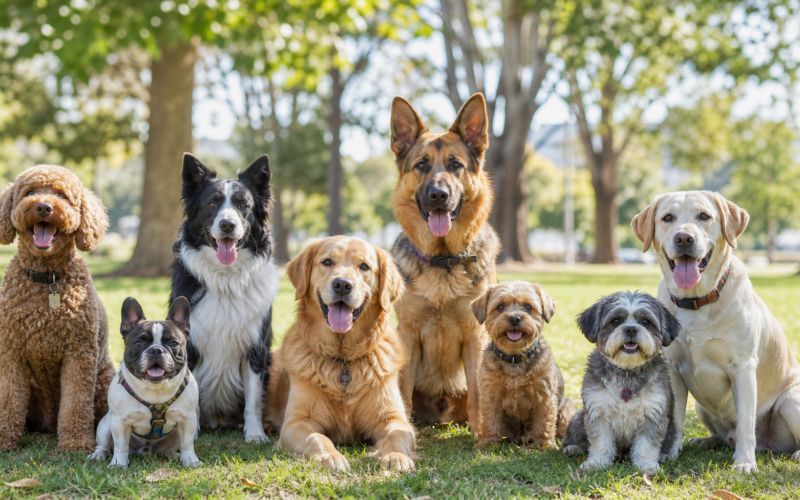
Size matters, though perhaps not in the way people assume. While a large dog obviously needs more room, some big breeds are surprisingly calm and adaptable to smaller homes, while certain small breeds are bundles of energy that need plenty of activity. Consider not just your square footage but access to outdoor space and how a dog’s size fits your life, from the car you drive to the strength required to handle them. Matching size to your space and circumstances prevents a lot of everyday difficulty.
Factor in grooming and temperament
Different breeds come with very different maintenance and personalities. Some coats require frequent professional grooming and shed heavily, which means real time and cost, while others are lower maintenance, so being honest about how much grooming you will keep up with matters. Temperament is just as important, since breeds differ in their typical disposition toward children, strangers, and other animals. If you have a young family or other pets, choosing a breed known for a compatible temperament sets everyone up for success. The Humane Society at humanesociety.org offers helpful guidance on choosing a pet that fits your home.
Consider adoption and meeting first
It is worth remembering that wonderful dogs of every kind, including many purebreds and countless loving mixed breeds, are waiting in shelters and rescues. Mixed-breed dogs often make fantastic companions and can combine the best traits of their heritage, and adopting saves a life. Whatever route you choose, meeting a dog before committing is invaluable, because an individual dog’s personality can differ from its breed’s general reputation. Spending time with a dog, and being honest with yourself about the fit, is the final and most important step.
Frequently asked questions
How do I choose the right dog breed?
Start with an honest look at your own lifestyle rather than a breed’s appearance. Consider your activity level, living space, schedule, and household, then match those to a breed’s energy needs, size, grooming requirements, and typical temperament. Meeting a dog before committing is essential, since individual personalities vary. The right dog is the one whose needs fit your real daily life.
What is the best dog breed for a family?
There is no single best family breed, but the right one has a temperament known to be good with children and matches your family’s activity level and space. Rather than focusing on a specific breed, look for one whose energy, size, and disposition suit your household, and always meet the individual dog. Many mixed-breed shelter dogs also make wonderful, gentle family companions.
Are mixed-breed dogs good pets?
Absolutely. Mixed-breed dogs often make fantastic, loving companions and can blend desirable traits from their heritage. Countless mixed breeds and purebreds alike wait in shelters and rescues, and adopting one saves a life. As with any dog, focus on matching the individual animal’s personality and needs to your lifestyle rather than assuming purebred automatically means a better fit.
What should I consider before getting a dog?
Consider the long-term commitment of a decade or more, your activity level and how much exercise you can realistically provide, your living space, how much time the dog will spend alone, grooming needs, and the temperament that suits your household. Being honest about these factors before choosing, and meeting the dog first, prevents a mismatch that is hard on both of you.
Find your right match
Choosing a dog is choosing a companion for many years, so it deserves honest thought rather than an impulse. By starting with your real lifestyle and matching a dog’s energy, size, grooming, and temperament to it, and by meeting the individual dog before committing, you set the stage for a joyful relationship for both of you. Once your new friend is home, keep them safe with our guide to foods toxic to dogs and cats and learn how to introduce a new pet. Find more in the Pets section.