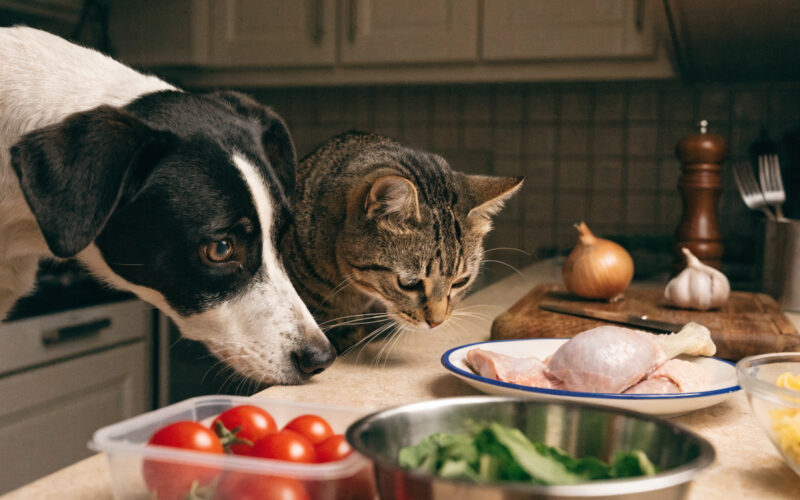
Sharing food with a pet feels like an act of love, and those pleading eyes at the dinner table are hard to resist. But some of the most ordinary foods in your kitchen are genuinely dangerous to dogs and cats, capable of causing serious illness and, in some cases, death. Many loving pet owners have no idea that a dropped grape or a piece of sugar-free gum could send their companion to an emergency vet, which is exactly why knowing the common toxic foods is one of the most important things you can do to keep your pet safe.
This is not meant to make you anxious every time you cook, but to arm you with knowledge that could save your pet’s life. Awareness of which foods are hazardous, combined with knowing what to do if an accident happens, turns a potential tragedy into a preventable one. The list below covers foods commonly recognized as dangerous, though it is not exhaustive, so when in doubt about any food, the safest assumption is to keep it away from your pet.
Why this knowledge matters
Pets metabolize many substances very differently than humans do, which is why foods that are perfectly safe for us can be harmful or fatal to them. Because animals will happily eat things that are bad for them, and because they often get into food when we are not looking, prevention depends heavily on us knowing the risks. A moment of awareness, keeping a known-toxic food out of reach, prevents a frightening and expensive emergency. It is far easier to avoid these foods than to treat their effects.
The most dangerous foods to know
Several foods are widely recognized as particularly hazardous to dogs and cats. Chocolate is a well-known danger, with darker chocolate being more toxic, and it can cause serious illness. Grapes and raisins are notorious for being able to cause kidney problems in dogs even in small amounts. Xylitol, an artificial sweetener found in many sugar-free gums, candies, and even some peanut butters, is extremely dangerous to dogs. Onions and garlic, in various forms, can damage red blood cells. Alcohol and caffeine are both toxic, as are macadamia nuts for dogs. This is not a complete list, which is why caution with any unfamiliar food is wise.
What to do if your pet eats something toxic
If you suspect your pet has eaten something toxic, act quickly and do not wait for symptoms to appear, because with some substances, early treatment makes an enormous difference. Contact your veterinarian or an animal poison control resource immediately for guidance specific to what was eaten and how much. The ASPCA Animal Poison Control Center, reachable through aspca.org, is a trusted resource in these situations. It helps to have information ready, such as what your pet ate, roughly how much, and when. Do not try home remedies or induce vomiting unless a professional specifically instructs you to, since the wrong action can make things worse.
Prevention is the best protection
The surest way to protect your pet is to keep dangerous foods out of reach entirely, treating your pet’s access to human food the way you would childproof for a curious toddler. Store hazardous foods securely, be mindful of what falls to the floor while cooking, and make sure everyone in the household, including guests and children, knows not to feed the pet table scraps that could be harmful. Keeping your veterinarian’s number and a poison control resource easily accessible means you can act without scrambling if an accident ever does happen.
Frequently asked questions
What human foods are toxic to dogs?
Commonly recognized dangerous foods for dogs include chocolate, grapes and raisins, xylitol (a sweetener in many sugar-free products), onions and garlic, alcohol, caffeine, and macadamia nuts. This is not a complete list, and amounts and individual sensitivity vary, so the safest approach is to keep human foods away from your dog and to consult a vet or poison control about anything you are unsure of.
What should I do if my dog eats something toxic?
Act immediately rather than waiting for symptoms. Contact your veterinarian or an animal poison control resource right away for guidance specific to the substance and amount. Have details ready about what was eaten, how much, and when. Do not induce vomiting or try home remedies unless a professional instructs you to, since the wrong action can worsen the situation. Early professional help matters greatly.
Are the same foods toxic to cats and dogs?
Many toxic foods, such as onions, garlic, chocolate, alcohol, and caffeine, are dangerous to both cats and dogs, though sensitivities and risks can differ between species and individuals. Cats have their own particular hazards as well. Because the specifics vary, it is safest to keep known-toxic human foods away from all pets and to consult a professional about any concern for your specific animal.
How can I keep my pet from eating dangerous foods?
Prevention works best. Store hazardous foods securely out of reach, be careful about scraps falling while cooking, and make sure everyone in the household, including children and guests, knows not to feed the pet potentially harmful table food. Treating your pet’s access to human food like childproofing for a curious toddler, and keeping vet and poison control contacts handy, keeps them safe.
Keep your companion safe
A little knowledge goes a long way toward protecting the pet who depends on you. By learning which common foods are toxic, keeping them well out of reach, and knowing to contact your vet or poison control immediately if an accident happens, you guard your companion against a danger many owners never see coming. If you are welcoming a new pet, our guides on choosing the right dog breed and introducing a new pet will help. Find more in the Pets section. This article is for general information and does not replace advice from your veterinarian.