Buying a used car is one of the smartest financial decisions a driver can make, and the reason is simple math. A new car loses a substantial share of its value the moment it leaves the lot and keeps shedding value fast for the first few years, which means someone who buys a gently used vehicle lets the original owner absorb that steep early depreciation. The savings can be enormous. The catch, and it is a real one, is that a used car is only a bargain if it is reliable, because nothing erases those savings faster than a string of expensive repairs.
Reliability, then, is the whole game when buying used. The good news is that dependability is not a mystery or a matter of luck. It comes from choosing the right kind of vehicle and then vetting the specific example in front of you carefully. Get both of those right and a used car can serve you faithfully for many years and tens of thousands of miles at a fraction of the cost of buying new.
Why used is the smart money move
The core advantage of buying used is avoiding depreciation, which is the largest cost of car ownership and one that most buyers never fully account for. A vehicle that is two or three years old has already taken the hardest hit to its value, so your money buys far more car than the same budget would new. Insurance and registration costs are often lower on a used vehicle as well, compounding the savings over time.
Modern cars also last far longer than they used to, with well-built vehicles routinely reaching high mileage when maintained properly. That longevity is what makes the used market so appealing, because a car with a few years and a moderate number of miles on it can still have most of its useful life ahead of it, provided you choose wisely.
What actually makes a car reliable
Reliability tends to follow patterns rather than luck. Certain manufacturers have earned long-standing reputations for dependability by consistently building vehicles that hold up, and brands with a strong track record for reliability are a sensible starting point for any used search. Beyond the badge, simplicity often correlates with longevity, because a vehicle loaded with complex, cutting-edge technology has more components that can eventually fail and cost money to fix.
The single most important factor for any individual car, however, is how it was maintained. A model with a stellar reputation that was neglected can be less reliable than an average car that was cared for meticulously. This is why the maintenance history of the specific vehicle matters more than almost anything else, and why a well-documented service record is worth seeking out and paying a little extra for.
The types of vehicles that tend to last
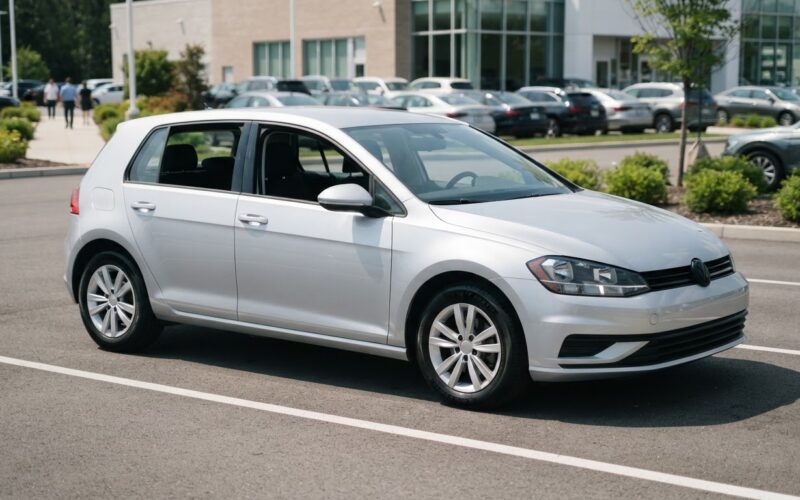
Rather than chasing a specific model year, it helps to think in terms of categories that reward buyers with dependability. Established, mainstream sedans and compact cars from reputable brands are often the safest bets, because they were produced in huge numbers, their common issues are well understood, and parts are plentiful and cheap. Proven, long-running models generally carry less risk than a brand-new design in its first year, which has not yet had its early problems ironed out.
It also pays to be a little cautious with vehicles that were heavily optioned with the newest technology or that have a reputation for expensive, failure-prone systems. A simpler, well-regarded vehicle will usually cost less to keep on the road over the years than a flashier one that looks like a bargain at purchase but drains money afterward.
How to vet a specific used car
Once you have found a promising candidate, the vetting is what protects you. Start with a vehicle history report, which can reveal past accidents, title problems, and whether the odometer reading looks consistent. Just as important, and often overlooked, is checking whether the vehicle has any open safety recalls that were never addressed, which you can do for free using the car’s identification number through the National Highway Traffic Safety Administration at NHTSA.gov.
Never skip a professional inspection. Paying a trusted independent mechanic to examine the car before you buy is one of the best investments you can make, because they can spot the hidden and imminent problems that a test drive never will. Speaking of which, drive the car yourself in varied conditions, listen for unusual noises, and pay attention to how it brakes, steers, and shifts.
Red flags worth walking away from
Some warning signs should end your interest immediately. A seller who is reluctant to allow an independent inspection, cannot produce any maintenance records, or is vague about the car’s history is telling you something important. A title marked as salvage or rebuilt signals significant past damage and future headaches. Visible signs of neglect, mismatched paint suggesting hidden accident repair, or a check engine light the seller waves away all warrant serious caution. When something feels off, the smartest move is almost always to walk away, because there is always another car.
Frequently asked questions
What is the most reliable type of used car to buy?
Proven, mainstream sedans and compact cars from manufacturers with a strong reliability reputation are generally the safest choices. They were built in large numbers, their common issues are well documented, and parts are affordable and widely available. Above all, the specific car’s maintenance history matters most, so a well-documented, cared-for example of a reliable model is the goal.
How many miles is too many for a used car?
Mileage matters less than it once did, because well-maintained modern cars routinely reach high mileage. A car with more miles that was cared for meticulously can be a better buy than a lower-mileage car that was neglected. Focus on the maintenance history and a professional inspection rather than treating the odometer number as a hard cutoff.
Should I get a used car inspected before buying?
Yes, always. Paying a trusted independent mechanic to inspect a car before purchase is one of the best ways to avoid a costly mistake, because they can find hidden and developing problems that are invisible during a test drive. A seller who refuses to allow an inspection is a serious red flag worth walking away from.
How do I check a used car’s history?
Start with a vehicle history report to check for accidents, title issues, and odometer consistency. Then use the car’s identification number to check for any open safety recalls for free through the National Highway Traffic Safety Administration. Combined with a professional inspection and your own test drive, these steps give you a clear picture of what you are buying.
Buy used, buy smart
A used car can be one of the best values in the entire market, delivering years of dependable service for a fraction of the cost of new, as long as you approach it wisely. Choose a proven, well-regarded vehicle, prioritize a documented maintenance history, and vet the specific car with a history report, a recall check, and a professional inspection. Once it is yours, keeping it reliable comes down to upkeep, starting with knowing how often to change your oil and understanding what your check engine light means. Find more in the Automotive section.