The promise of meal prep is seductive. You spend a couple of focused hours in the kitchen on a Sunday afternoon, and then you coast through the week on home-cooked food while everyone around you is scrambling for takeout at nine at night. For plenty of beginners, though, the reality looks less like that fantasy and more like a refrigerator full of sad, identical containers that nobody wants to eat by Wednesday, followed by a quiet vow to never bother again.
The gap between those two experiences has almost nothing to do with talent or expensive equipment. It comes down to a handful of principles that professional cooks and genuinely busy home chefs rely on without ever making a fuss about them. Once you understand those principles, meal prep stops feeling like a punishing chore and starts feeling like what it actually is, which is a head start on your entire week. The best part is that you do not have to prepare every single meal to feel the difference. Prepping even two or three components can quietly transform how your weeknights unfold.
What meal prep actually means, and what it does not
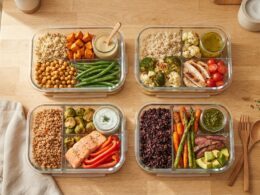
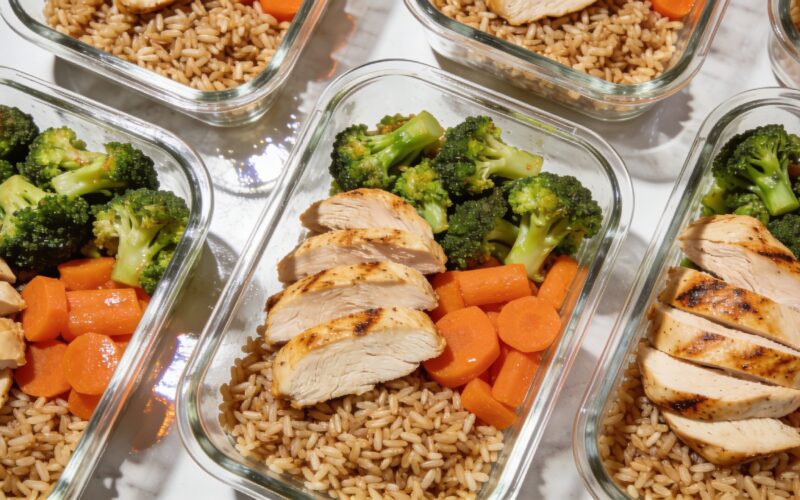
Most people picture meal prep as a wall of matching containers holding seven identical lunches, but that is only one narrow version of it, and honestly it is the version most likely to burn you out. In practice, meal prep lives on a spectrum. At one end you have full, ready-to-eat meals that you portion and refrigerate. In the middle you have component prep, where you cook a big batch of grains, a tray of roasted vegetables, and a protein or two, then mix and match them into different combinations all week. At the gentler end you have ingredient prep, which is nothing more than washing, chopping, and marinating ahead of time so that actually cooking dinner takes fifteen minutes instead of forty.
For beginners, component prep is the sweet spot. It gives you the time savings that make the whole exercise worthwhile without locking you into eating the same thing five days in a row. A container of cooked rice, a sheet pan of roasted vegetables, and a batch of shredded chicken can become a burrito bowl on Monday, a grain salad on Tuesday, and a stir-fry on Thursday. That flexibility is the difference between a habit that sticks and one you abandon by the second week.
Start with a plan, not a shopping cart
The single most common beginner mistake is walking into the store with enthusiasm and no plan, buying a cart full of produce, and then staring at it all on Sunday with no idea how it fits together. A good meal prep session is decided before you ever pick up a knife. Start by looking honestly at your week. If you know you have dinner plans on Wednesday and a late meeting on Thursday, do not prep food for those slots, because it will only rot and reinforce the feeling that meal prep is wasteful.
Next, choose recipes that share ingredients so your shopping list stays tight and nothing goes to waste. If two of your meals lean on roasted sweet potatoes and both use a base of leafy greens, you buy those things once and cook them in bulk. Aim low for your first few weeks. Prepping three or four lunches and a couple of dinner components is a realistic target that leaves you feeling capable rather than defeated. Ambition is the enemy of consistency here, and consistency is the entire point.
The foods that hold up, and the ones that betray you
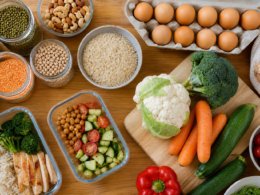
Some foods were born for meal prep, and some will actively sabotage it. Sturdy, forgiving ingredients are your foundation. Cooked grains like rice, quinoa, and farro keep beautifully for days and reheat without complaint. Roasted vegetables such as broccoli, carrots, cauliflower, and squash actually deepen in flavor after a night in the fridge. Proteins including grilled chicken, ground turkey, beans, lentils, and hard-boiled eggs all store well and slot into countless meals. Hearty salads built on cabbage or kale hold their texture far longer than anything made with tender lettuce.
The saboteurs are just as predictable once you know to watch for them. Delicate greens wilt into slime within a day of being dressed, so keep dressing separate until the moment you eat. Anything that depends on being crispy, like breaded cutlets or fries, will turn soft and disappointing in storage. Cut avocado browns almost immediately, and dishes with a lot of watery vegetables can leave your containers swimming by day three. None of these are forbidden, but they are meant to be finished fresh rather than prepped in advance.
A realistic two-hour Sunday method
Efficiency in the kitchen is mostly about running several things at once instead of doing them one at a time, and a good prep session is choreographed rather than chaotic. Begin by preheating your oven and putting a pot of water on to boil, because those are the slow steps and you want them working while you handle everything else. While the oven heats, toss two sheet pans of chopped vegetables with oil, salt, and pepper, and get them roasting.
With the trays in the oven and grains simmering on the stove, turn your attention to protein. Sear chicken thighs, brown a pan of ground turkey, or roast a third tray of tofu or chickpeas. In the last stretch, while everything finishes cooking, whisk together one or two sauces, because a good sauce is what keeps a week of simple food from feeling monotonous. When it all comes out of the oven and off the stove, let it cool properly, then portion and store. Worked this way, a genuinely useful spread of food takes closer to ninety minutes than the entire afternoon most people fear.
Storage is where meal prep is won or lost
You can cook flawless food and still ruin the week by storing it carelessly, and this is the step beginners most often overlook. The first rule is to cool food reasonably quickly rather than sealing it piping hot into a container, where trapped steam turns everything soggy and creates a friendlier environment for bacteria. Once cooled, airtight containers are non-negotiable, both for freshness and for keeping strong smells from migrating around your fridge. Glass containers resist stains and odors and reheat more evenly, which makes them worth the modest investment.
Food safety deserves genuine respect here, not just good intentions. Most cooked dishes keep safely in the refrigerator for three to four days, and anything you will not eat in that window belongs in the freezer. Perishable food should not sit at room temperature for more than two hours. For clear, trustworthy guidance on cooling, storage times, and safe reheating, the government resource at FoodSafety.gov is worth bookmarking. Labeling each container with what it holds and the date you made it sounds fussy, but it is the small discipline that separates people who meal prep for years from people who quit after a month of mystery leftovers.
How to keep it from getting boring
Boredom, not effort, is what quietly kills most meal prep habits, and the fix is built into how you prep rather than added on afterward. When you cook components instead of committed meals, variety is already baked in, because the same rice and roasted vegetables can wear a completely different outfit each day. A jar of peanut sauce turns them into something that tastes vaguely Thai, a spoonful of salsa and a handful of cheese pushes them toward Tex-Mex, and a drizzle of good olive oil and lemon makes them feel Mediterranean.
Lean on sauces, spices, and fresh finishing touches to do the heavy lifting. A handful of fresh herbs, a squeeze of citrus, a scatter of toasted nuts, or a soft-boiled egg added at the last second can make a repeat meal feel new. Some people find it helps to loosely theme their days, and giving yourself permission to leave one or two dinners completely unplanned keeps the whole system from feeling like a cage.
Frequently asked questions
How many days ahead can you meal prep?
Most prepared meals stay fresh and safe in the refrigerator for three to four days, which is why many people prep on Sunday for the first half of the week and do a smaller second session midweek. If you want to cover a full seven days in one go, plan to freeze the later portions and simply move them to the fridge the night before you need them.
Is meal prep actually cheaper than eating out?
In almost every case, yes, and often dramatically so. Buying ingredients in slightly larger quantities and cooking them yourself costs a fraction of what the equivalent takeout or delivery would, and prepping ahead also cuts down on the impulse spending that happens when you are tired and staring at an empty fridge. The savings compound quietly over a month in a way that is easy to underestimate until you look at your bank statement.
What containers are best for meal prep?
Airtight containers are the priority, and glass ones with locking lids are the popular favorite because they resist stains and lingering odors, reheat evenly, and last for years. Portioned containers with dividers are handy if you like keeping components separate, and having a few smaller jars for sauces and dressings is what lets you keep the wet ingredients away from anything that might go soggy.
How do I stop my meal prep food from getting soggy or repetitive?
Store dressings and sauces separately and add them only when you sit down to eat, which keeps greens crisp and grains from turning to mush. To fight repetition, prep flexible components rather than finished meals, then change the flavor profile each day with a different sauce, spice blend, or fresh garnish. Small changes at the finish line make the same base ingredients feel like genuinely different meals.
Start small and let it build
The people who make meal prep a lasting habit are almost never the ones who tried to cook fifteen perfect meals on their first Sunday. They are the ones who prepped a pot of rice and a tray of vegetables, felt how much easier Monday became, and let the habit grow from there. Begin with a single session that covers two or three days, pay attention to what you actually enjoyed eating, and adjust from there. For meals that come together fast on the nights you did not prep, keep our guide to easy 30-minute dinner recipes close, and lean on your air fryer to reheat prepped food without turning it rubbery. You can find more ideas any time in the Food and Recipes section.