
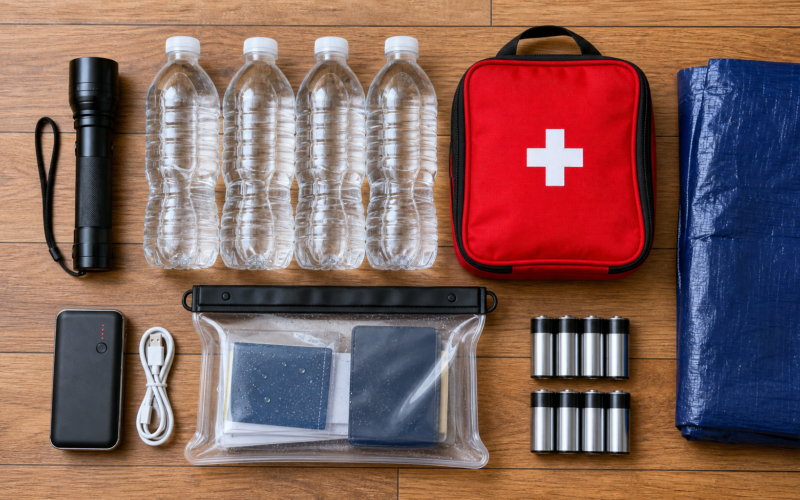
Nobody expects the water to come in. One minute you are watching the rain streak down the window, and the next you notice a dark line creeping across the floor near the door. In a rented home, that moment feels doubly stressful, because the walls are not yours to tear into and the landlord may be hours away. The good news is that a little preparation buys you calm when it matters most. A flood kit you can assemble in about fifteen minutes is the difference between scrambling in the dark and moving with a plan.
Why Renters Need Their Own Kit
Homeowners usually keep tools, shop vacuums, and spare materials on hand. Renters often do not, partly because storage is tight and partly because it feels like the property manager’s job. That thinking leaves you exposed. When water starts moving, the first thirty minutes decide how much of your stuff survives, and your landlord is rarely standing in the room with you. A compact kit means you can protect your belongings and document the damage without waiting for permission. It also shows you acted responsibly, which matters later when you file a renters insurance claim.
What Goes in the Kit
Keep everything together in a single lidded plastic bin so it stays dry and easy to grab. Start with a headlamp or two, since floods often knock out power and you will want your hands free. Add a pack of heavy contractor trash bags, which double as waterproof covers for electronics and books. Include a roll of painter’s tape and a marker for labeling shut-off points and for taping bags closed. Toss in a pair of rubber gloves and rubber boots or waterproof shoe covers, because floodwater is rarely clean. Round it out with a phone power bank, a small first aid kit, and a laminated card listing your landlord, your insurer, and a local water-damage cleanup number.
The Water-Stopping Basics
You cannot rebuild a wall, but you can slow water down. A few rolled towels pressed against the base of a door buy real time, and a couple of inexpensive water-absorbing socks tucked in the bin work even better. Know where your unit’s water shut-off valve is before anything goes wrong, because a burst supply line is a common indoor culprit and a quick twist can stop it cold. If the water is coming from outside, focus on lifting rather than blocking. Get valuables and electronics up off the floor and onto counters, beds, or high shelves the moment you notice trouble.
Protect Your Paper Trail
Insurance claims live and die on documentation. Before you start hauling soaked rugs to the curb, pull out your phone and film a slow walkthrough of the damage. Capture the water line on the walls, the affected furniture, and any electronics that got wet. Keep receipts for anything you buy during cleanup, and jot down the date and time the flooding started. Text your landlord in writing rather than calling, so there is a timestamped record that you reported the problem promptly. These small steps take minutes and can save you hundreds of dollars later.
Where to Store It
A flood kit is useless if it is buried in a closet behind winter coats. Keep the bin somewhere high and reachable, ideally on a shelf near your main entrance or in a hall closet at waist height or above. If you live on a ground floor or in a basement unit, that placement matters even more, since those spaces flood first. Do a quick check twice a year to swap out old batteries and confirm the power bank still holds a charge. Tie the check to something you already remember, like the start of hurricane season or the day you change your clocks.
Frequently Asked Questions
How much should a renter’s flood kit cost? You can build a solid kit for around fifty to seventy dollars, and less if you already own items like a headlamp or a power bank. The bin, bags, tape, gloves, and absorbent socks are the only things most people need to buy new.
Is my landlord responsible for flood damage to my belongings? In most cases, no. A landlord’s insurance covers the building itself, not your personal property. That is exactly what renters insurance is for, which is why documenting your losses matters so much.
Should I try to shut off the electricity during a flood? Only if you can reach the breaker panel without standing in water. Water and electricity are a dangerous mix, so if the panel is already surrounded by water, leave it alone and call an electrician or your utility.
What is the single most important item in the kit? Light. A flood that trips your power leaves you fumbling in the dark, and a hands-free headlamp lets you move belongings, find the shut-off valve, and document damage safely.
How often should I check the kit? Twice a year is plenty. Batteries drain and adhesives dry out over time, so a quick seasonal look keeps everything ready when you actually need it.
Do I really need this if I live on an upper floor? Yes. Burst pipes, overflowing tubs, and leaks from the unit above you can flood any floor, so a kit is worth keeping no matter how high you live.
Related reading: For more on this, take a look at our guide to a practical guide to living with wildfire smoke.
The Bottom Line
Flooding is one of those rare emergencies where a tiny bit of prep pays off enormously. Fifteen minutes and a single bin give you light, protection for your things, and the paper trail you need to recover what you lose. You cannot control the weather or the plumbing in a building you do not own, but you can control how ready you are when the water finds its way in. Pack the kit this weekend, put it somewhere you will remember, and give your future self one less thing to panic about.