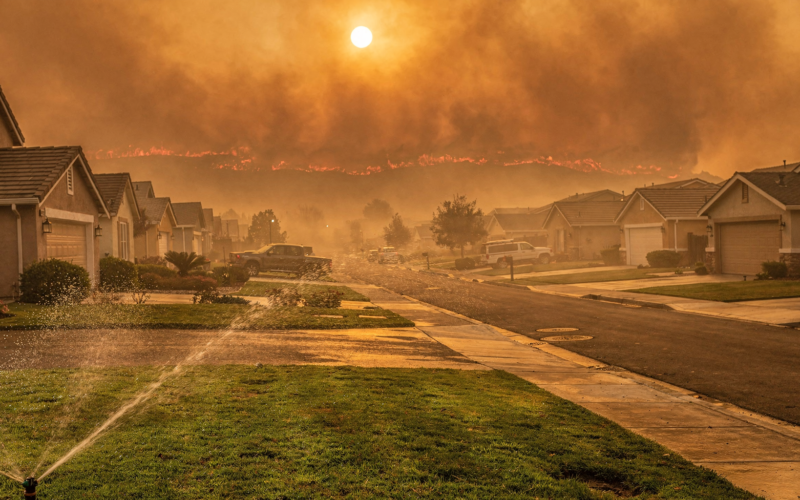
The Hawk Fire burning near Reno exploded over the weekend from roughly 2,500 acres to more than 15,000, and Nevada’s governor declared a state of emergency. Officials have urged evacuations affecting an area covering something on the order of 90,000 people across northwest Reno, Stead and the North Valleys.
Officials have confirmed the fire was human caused. Containment was minimal as of the most recent updates, and every number in this story is moving. Check Washoe County’s official channels before acting on any figure, including these.
What Happened Over the Weekend
The fire started near Peavine Mountain and grew roughly sixfold across August 22 and 23. Growth at that rate in that terrain is driven by a combination of wind, dry fuel and slope, and it leaves very little time for an orderly response.
The state of emergency declaration matters practically rather than symbolically. It unlocks state resources, allows faster mutual aid across jurisdictions, and clears procurement rules that otherwise slow equipment and personnel.
What Human Caused Means
It means the ignition was not lightning. It does not mean arson, and the two get conflated constantly in the first days of a fire.
Human caused covers a wide range: equipment sparks, vehicle exhaust in dry grass, power infrastructure, a dragging trailer chain, an untended campfire. Investigators separate those later, and until they do, drawing conclusions about intent is unfounded.
Why Reno Is Vulnerable
The city sits where development meets open sagebrush and grassland, which is the classic wildland urban interface. Fire moves through that terrain fast because the fuel is fine, continuous and dries out completely by late summer.
Peavine Mountain rises directly above populated areas on the northwest side. Fire moves uphill quickly and wind through the surrounding topography accelerates it, which is a bad combination when neighborhoods sit at the base.
The Evacuation Numbers Need Context
A figure like 90,000 describes the population inside an area covered by evacuation orders and warnings, not the number of people who have left their homes or whose homes are threatened.
That distinction is not a reason to relax. Evacuation zones are drawn wide on purpose because moving people takes hours and fire behavior changes in minutes. But it explains why a very large number can attach to a fire that has not yet reached most of the area it covers.
What Residents Should Do
If you are in an evacuation order, leave. Orders exist because officials have concluded there may not be time later, and the most common reason people die in fast moving fires is waiting to see how it develops.
If you are in a warning zone, pack the car now: documents, medications, chargers, pet supplies, a few days of clothes. Fill the gas tank. Know two routes out, because the obvious one is where everyone else will be.
The Air Quality Reaches Much Further
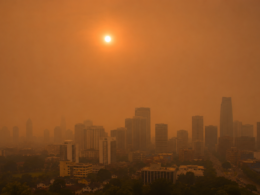
Smoke affects a far larger area than the fire. Wildfire smoke carries fine particulate matter that penetrates deep into the lungs, and the people most affected are children, older adults and anyone with asthma or heart conditions.
Practical steps are unglamorous and effective. Stay indoors when the air is bad, run air conditioning on recirculate, use a filter if you have one, and treat outdoor exercise as optional. Compounding conditions are a recurring theme in weather events, something our coverage of Tropical Storm Moke reaching a soaked Big Island examined from the opposite direction.
The University Angle
The University of Nevada, Reno has been issuing campus updates. Universities are complicated in an emergency because a large share of the population is young, new to the area, and living without a car or a local support network.
Students should follow official campus alerts specifically rather than general county guidance, since campus instructions account for dorm evacuation logistics that county orders do not address.
What to Watch Next
Watch containment percentage, which is the single most informative number. Watch the wind forecast, since a shift can redirect a fire toward a completely different set of neighborhoods within hours.
Watch for structure loss reports, which typically lag by a day or more because assessment teams cannot enter until an area is safe. And watch for changes in evacuation zone boundaries, which is how officials communicate where they think the fire is going.
One more thing worth knowing about how fires like this behave overnight. Fire activity typically moderates after dark as temperatures drop and humidity recovers, which is when crews do their most productive work building containment lines.
That nightly window is why containment percentages often jump in the morning report. It is also why a bad overnight wind event is so damaging, because it removes the one reliable period crews have to get ahead of the fire.
The practical read for residents is that a reassuring morning number describes the previous night, not the coming afternoon. Conditions typically deteriorate through the day as temperatures climb and winds pick up, so an improving report is not a reason to unpack the car.
Frequently Asked Questions
How big is the Hawk Fire?
It grew from roughly 2,500 acres to more than 15,000 across August 22 and 23. Acreage is changing rapidly, so check Washoe County’s official channels for current figures.
Is there an evacuation order?
Yes. Officials have urged evacuations across northwest Reno, Stead and the North Valleys, in an area covering roughly 90,000 people. Zone boundaries change, so verify your specific address.
What caused the fire?
Officials have confirmed it was human caused, which means the ignition was not lightning. It does not mean arson, and the specific cause has not been determined.
Why is Reno at risk?
Development meets open sagebrush and grassland on the city’s edges, and Peavine Mountain rises directly above populated areas. Fine dry fuel and uphill terrain drive very fast fire spread.
What should I pack if I am in a warning zone?
Documents, medications, chargers, pet supplies and a few days of clothes. Fill the gas tank and identify two routes out, since the obvious route will be congested.
How far does the smoke reach?
Well beyond the fire. Fine particulate matter affects a much wider area, with the greatest risk to children, older adults and people with asthma or heart conditions.