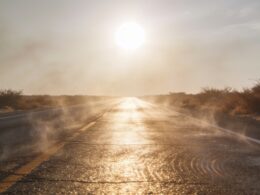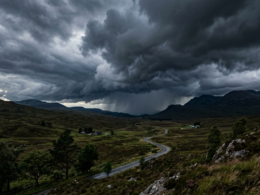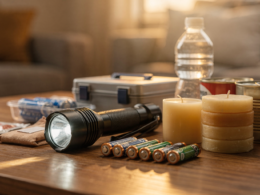

When the sky turns hazy and the air smells of smoke, it is worth knowing how to protect yourself. Large plumes from Canadian wildfires have again drifted across much of Canada and the northeastern United States, prompting air quality concerns. Here is a practical, friendly guide to staying safe when the air turns hazy.
Why the air gets hazy
According to the World Meteorological Organization, smoke from wildfires burning across Canada has affected air quality across large parts of the country and the northeastern U.S., including New York. Wildfire smoke carries fine particles known as PM2.5, which are small enough to reach deep into the lungs and are the main health concern during smoky conditions.
Check the air quality index first
The simplest starting point is the Air Quality Index, or AQI. A reading in the green range is generally fine, while orange, red, and purple signal rising risk, especially for sensitive groups. Free apps and government sites update AQI throughout the day, so a quick check tells you how cautious to be before heading out.
Steps to protect yourself
When smoke is heavy, keep windows closed and stay indoors as much as possible. Running an air purifier with a HEPA filter helps clean indoor air, and setting your air conditioner to recirculate keeps outdoor smoke out. If you must go outside, a well fitted N95 or KN95 mask offers far more protection than a cloth mask, and limiting strenuous outdoor activity reduces how much smoke you breathe.
Who needs extra care
Children, older adults, pregnant people, and anyone with asthma, heart, or lung conditions are more vulnerable to smoke. If you or someone in your household has trouble breathing, chest tightness, or a lingering cough, take it seriously and seek medical advice. When in doubt, err on the side of staying indoors.
For a calmer moment once the air clears, see our Friday reset routine.
Frequently Asked Questions
Is Canadian wildfire smoke dangerous? It can be. The fine PM2.5 particles in wildfire smoke can reach deep into the lungs, which is why air quality alerts are issued.
How do I know if the air is unsafe? Check the Air Quality Index, or AQI. Orange, red, and purple levels signal increasing risk, especially for sensitive groups.
What mask works against smoke? A well fitted N95 or KN95 mask filters fine particles far better than a cloth or surgical mask.
Who is most at risk? Children, older adults, pregnant people, and those with asthma, heart, or lung conditions should take extra precautions.