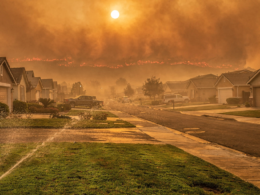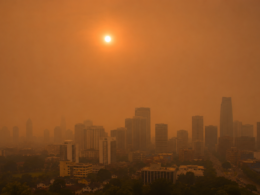
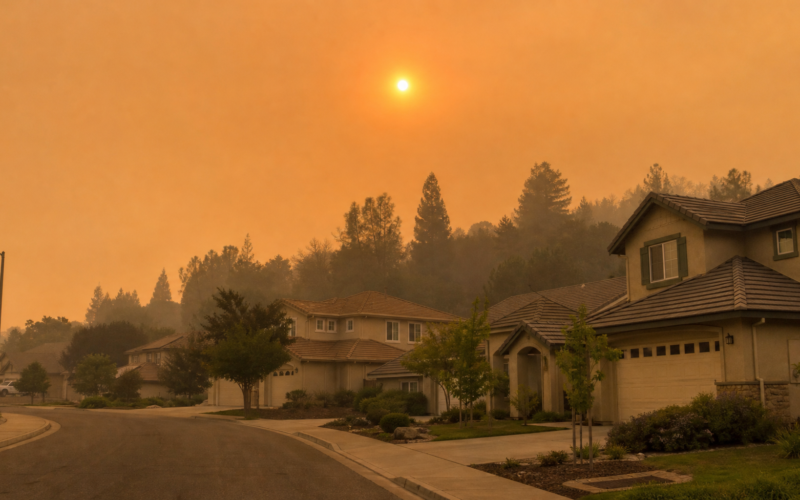
There is something deeply unsettling about a sky that glows orange in the middle of the day. Wildfire smoke has become a seasonal reality for more and more people, drifting hundreds of miles from the fires themselves and settling over cities that have never seen a flame. The good news is that you are not helpless. With a few practical habits, you can protect your health and keep your home a safe haven even when the air outside turns hazardous.
Understand the Air Quality Index
Your first tool is the air quality index, a simple color coded scale that tells you how safe the outdoor air is. Green and yellow are generally fine, orange means sensitive groups should take care, and red or worse means everyone should limit time outside. Check it the way you check the weather, using a reliable app or local station. Knowing the number takes the guesswork out of deciding whether it is safe to go for a run or keep the kids inside.
Seal and Filter Your Home
On smoky days, your home is your shelter, so keep the bad air out. Close windows and doors, and if you have central air, set it to recirculate rather than pull in outside air. A portable air purifier with a good filter can make a real difference in one or two rooms where you spend the most time. If you cannot buy one, many people build an effective do it yourself version with a box fan and a furnace filter, which is far better than nothing.
Mask Up When You Must Go Out
When you have no choice but to head outside in heavy smoke, an ordinary cloth mask will not protect you. Fine smoke particles are tiny, and you need a well fitting respirator style mask rated to filter them out to get real protection. Keep a few on hand before smoke season arrives, since they tend to sell out fast once the sky turns. Limit your time outdoors, move at an easy pace, and get back inside as soon as you can.
Watch for Warning Signs
Smoke affects everyone, but some people feel it faster and harder, especially children, older adults, and anyone with heart or lung conditions. Pay attention to symptoms like a persistent cough, chest tightness, headaches, or unusual fatigue. Mild irritation is common, but if symptoms are severe or do not ease once you are in clean air, treat it seriously and contact a medical professional. When in doubt, err on the side of caution and rest indoors.
Frequently Asked Questions
Is it safe to exercise outside in wildfire smoke? It is best to move workouts indoors when the air quality index is orange or worse. Exercise makes you breathe harder and deeper, which pulls more harmful particles into your lungs.
Do regular cloth or surgical masks help? Not much against smoke. The particles are very fine, so you need a well fitting respirator style mask rated to filter them to get meaningful protection.
Does an air purifier really make a difference? Yes. A purifier with a quality filter can noticeably clean the air in a closed room, giving you a cleaner space to breathe and sleep during smoky stretches.
How do I know if smoke is affecting my health? Watch for coughing, chest tightness, headaches, or fatigue. Mild symptoms are common, but severe or lasting ones warrant getting to clean air and consulting a medical professional.
Can smoke get inside even with the windows closed? Some can seep through gaps, but sealing windows, running recirculated air, and using a purifier keeps indoor levels far lower than outside. Every barrier helps.
Related reading: For more on this, take a look at our guide to building a cleaner-breathing home on a budget.
The Bottom Line
Wildfire smoke may be an unwelcome new normal in many places, but a little preparation goes a long way. Watch the air quality index, keep your home sealed and filtered, wear a proper mask when you must go out, and listen to your body. None of it is complicated, and having a plan before the sky turns orange means you can face a smoky week with far less worry and a lot more control.