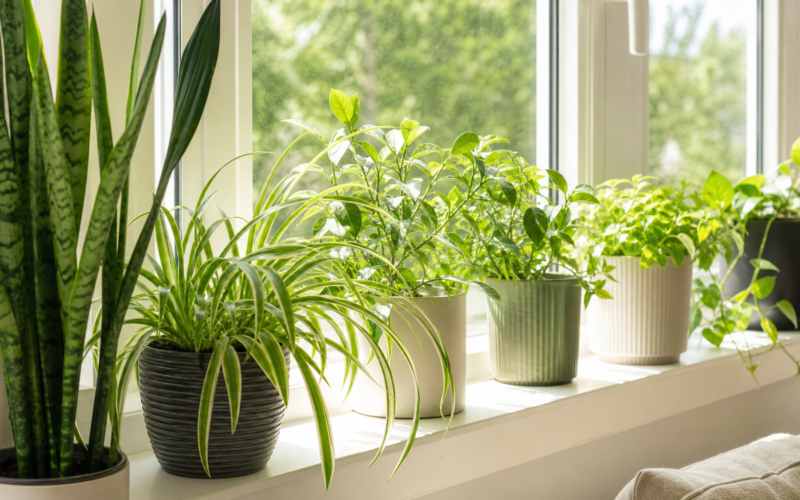
Almost everyone who claims to have a black thumb is really just repeating a few common mistakes on a loop. Plants are not delicate mysteries that live or die on some talent you were born without. They are living things with a short list of needs, and the overwhelming majority of houseplant deaths trace back to the same handful of errors, all of which are entirely fixable once you understand them. The person who keeps killing plants is usually not neglecting them. More often, they are loving them to death.
The encouraging truth is that keeping houseplants alive is less about a green thumb and more about understanding a few basic principles and then, crucially, resisting the urge to fuss. Once you know what actually matters and choose plants suited to your space, thriving greenery is within reach for anyone, including people who have buried more plants than they care to admit.
The number one killer is overwatering
If there is a single lesson that saves the most plants, it is this one. Far more houseplants die from too much water than from too little, because constantly wet soil suffocates the roots and invites the rot that quietly kills a plant from below. The instinct to water a struggling plant, when the real problem is that it is already drowning, is what dooms so many well-meaning owners. Most plants prefer to dry out somewhat between waterings, and the soil being dry an inch or two down is usually the signal that it is time.
Drainage is the other half of this equation. A pot without drainage holes traps water at the bottom where roots sit and rot, so choosing containers that drain and never letting a plant stand in a saucer of water goes a long way. When in doubt, waiting another day or two before watering is almost always safer than watering again too soon.
Light is the thing people quietly get wrong
The second great houseplant mistake is a mismatch between a plant’s light needs and where it actually lives. A plant that wants bright light will slowly fade and stretch in a dim corner, while one that prefers low light can scorch in a hot, sunny window. Before you fall in love with a plant, it pays to look honestly at the light in your space, noting which windows get direct sun and which stay bright but indirect, and then to choose plants that match what you can offer.
Most common houseplants are happiest in bright, indirect light, meaning a well-lit spot that is not being blasted by direct rays for hours. Understanding your home’s light and pairing plants to it removes one of the biggest and most invisible causes of slow decline.
Start with forgiving plants
Setting yourself up for success means beginning with plants that tolerate a bit of neglect and forgive the occasional mistake. Several well-known houseplants are famously hard to kill, thriving in a range of conditions and bouncing back from irregular care, which makes them ideal for rebuilding your confidence. Starting with these rather than a finicky, high-maintenance species means your early experience is one of success rather than another funeral, and success is what turns a self-described plant killer into someone who keeps things alive.
The basics, done right
Beyond water and light, a few simple habits keep plants healthy. Many houseplants originate in humid environments and appreciate a little extra moisture in the air, which matters most in dry homes and during winter heating. Feeding with a diluted fertilizer during the active growing seasons of spring and summer supports steady growth, while easing off in the darker months when plants naturally rest. And every plant eventually outgrows its pot, so repotting into something slightly larger with fresh soil every year or two gives the roots room and renews the nutrients. For reliable, research-based guidance on caring for specific houseplants, university extension programs like the one at University of Minnesota Extension are trustworthy and free.
Learn to read your plant
Plants communicate, and learning their basic signals lets you correct course before it is too late. Yellowing leaves often point to overwatering, while dry, crispy brown edges frequently signal too little water or humidity. Long, leggy, stretched-out growth usually means the plant is reaching for more light, and drooping can indicate either thirst or overwatering depending on the soil. Rather than reacting anxiously to every change, learning to pause, check the soil and the light, and respond thoughtfully is what separates thriving plants from doomed ones.
Frequently asked questions
Why do my houseplants keep dying?
The most common causes are overwatering and poor light matching. Too much water suffocates and rots roots, which kills more houseplants than anything else, while a mismatch between a plant’s light needs and its location causes slow decline. Letting soil dry between waterings, using pots that drain, and choosing plants suited to your light solves the majority of problems.
How often should I water houseplants?
There is no universal schedule, because it depends on the plant, the pot, and your home. A far better approach than watering on a fixed day is to check the soil, watering most plants only when the top inch or two has dried out. When unsure, waiting is safer than watering again too soon, since overwatering is the more common and more dangerous mistake.
What are the easiest houseplants for beginners?
Beginners do best starting with famously tough, forgiving plants that tolerate irregular care and a range of conditions. These resilient varieties bounce back from occasional neglect and help you build confidence with early success. Once you have kept a few of these thriving, you can branch out to more demanding plants with a much better sense of what you are doing.
Why are my plant’s leaves turning yellow?
Yellowing leaves most often signal overwatering, so the first thing to check is whether the soil is staying too wet and whether the pot drains properly. Other causes can include too little light or a need for nutrients, but soggy soil is the usual culprit. Letting the plant dry out and improving drainage resolves many cases of yellowing.
Anyone can keep plants alive
The black thumb is not a life sentence. By resisting the urge to overwater, matching plants to your light, starting with forgiving varieties, and learning to read the signals your plants send, you can keep greenery thriving no matter how many plants you have lost before. Ready to grow something you can eat too? See our guide to the best vegetables to grow for beginners, and find more in the Gardening and Home Improvement section.