The lights flicker and then go out, the familiar hum of the house falls silent, and suddenly all the conveniences you never think about are gone at once. Power outages are a fact of modern life, triggered by storms, extreme heat, equipment failures, and strain on the grid, and they range from a brief nuisance to a multi-day emergency. The difference between weathering one calmly and scrambling in the dark comes down almost entirely to what you did before it happened. A modest amount of preparation transforms an outage from a crisis into an inconvenience.
The good news is that preparing for a power outage does not require an elaborate bunker or a fortune spent on equipment. It comes down to assembling a few essentials, understanding how to keep yourself safe and your food from spoiling, and knowing what to do when the power goes down. This guide walks through that preparation so that the next outage finds you ready rather than caught off guard.
Why preparation matters
It is easy to assume outages will always be short, but they are unpredictable, and the ones that stretch on for hours or days are exactly when a lack of preparation becomes serious. Beyond simple discomfort, a prolonged outage can threaten food safety, disrupt medical equipment, and create real risks in extreme heat or cold. Preparing in advance means you are not making critical decisions by candlelight or rushing to a picked-over store as a storm approaches. The federal preparedness resource at Ready.gov offers thorough, trustworthy guidance worth reviewing.
Build a basic outage kit
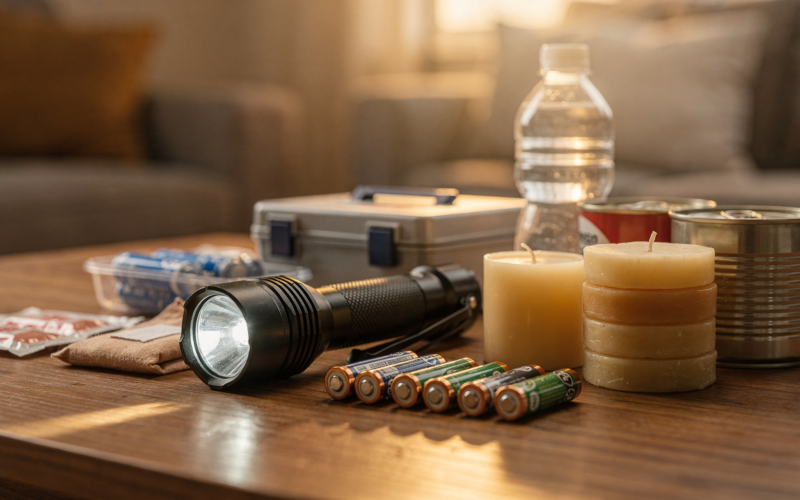
The foundation of outage readiness is a simple kit of essentials kept somewhere you can find it in the dark. At minimum, that means reliable light in the form of flashlights or lanterns and plenty of batteries, a supply of drinking water, and some food that requires no cooking or refrigeration. A battery-powered or hand-crank radio keeps you informed when your usual sources are down, and a portable power bank lets you keep a phone charged, which may be your lifeline to information and help. Keeping these items together and checking them periodically means they are ready the moment you need them.
Handle light and power safely
When it comes to lighting, flashlights and battery-powered lanterns are far safer than candles, which are a genuine fire hazard, especially in a dark, disrupted household. For keeping devices powered, charged power banks are invaluable, and charging them along with your phones and other essentials as soon as you know a storm is coming is a smart habit. If you own a generator, safe operation is non-negotiable, because generators produce carbon monoxide, an invisible, deadly gas, and must never be run indoors, in a garage, or anywhere near windows and vents. Running a generator only outdoors, far from the house, prevents a tragedy that occurs every year among people trying to stay comfortable.
Protect your food
Food safety is one of the most practical concerns during an outage, and a few rules protect both your groceries and your health. The single most important habit is to keep your refrigerator and freezer doors closed as much as possible, because an unopened refrigerator keeps food cold for several hours and a full freezer holds its temperature far longer than an empty one. Knowing the general guidance, that refrigerated food becomes unsafe after a prolonged period without power and that you should discard anything questionable, helps you avoid foodborne illness. When in doubt about a perishable item after a long outage, the safe choice is to throw it out.
Plan for heat, cold, and special needs
Extreme temperatures turn an outage from uncomfortable into dangerous, so having a plan matters. In a heat wave, know where you might go to stay cool, such as a public cooling location, and in severe cold, have blankets and warm layers ready and a safe plan to stay warm. If anyone in your household relies on electrically powered medical equipment, planning ahead for backup power or an alternate location is essential, and it is worth talking to your utility provider about any such needs in advance. Building these considerations into your plan protects the most vulnerable members of your household.
Frequently asked questions
What should I have ready for a power outage?
Keep a simple kit with flashlights or lanterns and extra batteries, drinking water, food that needs no cooking, a battery or hand-crank radio, and a charged portable power bank. Store these together where you can find them in the dark, and check them periodically. Charging your devices and power banks ahead of an approaching storm is also a smart habit.
How long does food last in the fridge during an outage?
An unopened refrigerator generally keeps food cold for several hours, and a full freezer holds its temperature considerably longer than an empty one. The key is keeping the doors closed as much as possible. After a prolonged outage, discard any perishable food that has been too warm for too long, and when in doubt about an item, throw it out to avoid illness.
Is it safe to use a generator during a power outage?
Only if used correctly. Generators produce carbon monoxide, a deadly, invisible gas, so they must never be run indoors, in a garage, or near windows and vents. Always operate a generator outdoors and well away from the house. Following these rules prevents carbon monoxide poisoning, which claims lives every year among people trying to stay powered during outages.
How do I prepare for a long power outage?
Beyond a basic kit, plan for extended time without power by storing extra water and non-perishable food, keeping devices and power banks charged, and having a plan for extreme heat or cold. Account for any medical equipment that needs power, and know where you could go if your home becomes unsafe. Preparing in advance keeps a long outage manageable.
Be ready before the lights go out
A power outage does not have to be a crisis. By assembling a simple kit, handling light and any generator safely, protecting your food, and planning for temperature extremes and special needs, you turn a potentially dangerous situation into a manageable one. The best time to prepare is now, while the power is on. For related safety know-how, see our guides on staying safe in extreme heat and understanding severe weather alerts. Find more in the Weather section.