Walk into an expensive-looking home and you might assume it took a fortune to achieve, but designers know a secret that most people do not: an elevated, high-end look has far more to do with intention and a handful of principles than with the size of the budget. Some genuinely luxurious-feeling rooms are filled with affordable pieces arranged thoughtfully, while some expensive rooms feel cheap because the money was spent without a plan. Once you understand what actually creates that sense of quality, you can achieve a great deal of it for very little.
The tricks that make a home look expensive are surprisingly accessible, revolving around lighting, texture, restraint, and cohesion rather than costly furniture. They reward care and thoughtfulness over spending, which means anyone willing to be a little intentional can lift their space well above its price tag. Here are the most effective budget-friendly ways to make your home look far more expensive than it is.
Declutter and clean, the free upgrade
Before spending a single dollar, the most powerful and completely free thing you can do is declutter and deep clean. Nothing undermines an expensive look faster than clutter and grime, while a clean, tidy, well-edited space instantly reads as more considered and luxurious. Expensive-looking homes are almost never crammed full of stuff, so clearing surfaces and paring back to what you love, a process our guide to decluttering walks through, does more for the feel of a room than most purchases ever could.
Lighting is everything
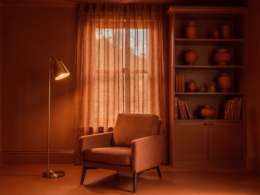
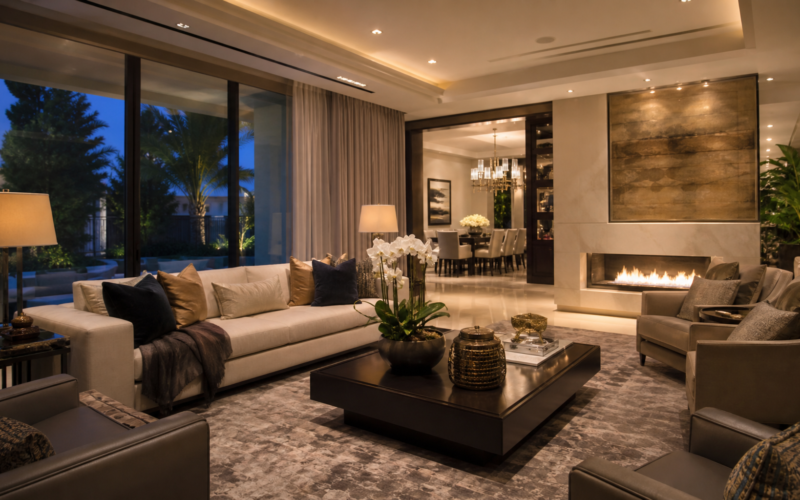
If there is one thing that separates a builder-basic room from a designer one, it is lighting. Harsh, single overhead lights flatten a space and make it feel institutional, whereas layered lighting from multiple sources at different heights, such as lamps and softer fixtures, creates warmth and depth that instantly feels more upscale. Swapping to warm-toned bulbs and adding a few well-placed lamps transforms the mood for very little money. The Department of Energy at Energy.gov offers guidance on efficient lighting options that provide this warm, inviting quality while keeping costs down.
Add texture and layers
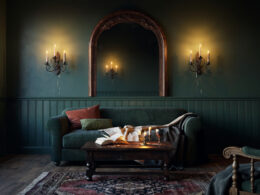
Expensive-looking rooms feel rich and inviting largely because they are layered with texture. Introducing a variety of materials and soft elements, such as a chunky throw, a few cushions in different fabrics, and an area rug, adds a depth and comfort that flat, sparse rooms lack. One trick designers rely on is hanging curtains high and wide, well above the window frame and extending beyond its edges, which makes windows and ceilings feel grander. These soft, textural layers are affordable yet do an enormous amount to elevate a space.
Edit, and invest where it counts
Counterintuitively, spending less on more things and more on a few things often produces a more expensive look. A room filled with many cheap items tends to read as cluttered and low-quality, while a more edited space with a few well-chosen pieces feels intentional and refined. Rather than buying lots of inexpensive decor, it is often better to save for one or two statement pieces that anchor a room, and to let simplicity and negative space do the rest. Restraint, it turns out, looks expensive.
Cohesion and the finishing details
A polished home feels cohesive, so choosing a consistent color palette and letting it run through your space creates the harmony that reads as high-end, whereas a jumble of unrelated colors and styles feels haphazard. The finishing details then seal the effect. Small upgrades like swapping dated hardware on cabinets and doors, adding some greenery with plants, and hanging framed art at the right height bring a sense of completeness and care. It is often these inexpensive final touches, more than any big purchase, that make a home feel genuinely finished and expensive.
Frequently asked questions
How can I make my home look expensive on a budget?
Start by decluttering and deep cleaning, which is free and hugely effective. Then improve your lighting with warm bulbs and layered lamps, add texture through throws, cushions, and rugs, hang curtains high and wide, edit your decor to a few intentional pieces, keep a cohesive color palette, and finish with details like updated hardware, plants, and framed art. Intention matters more than money.
What makes a room look cheap?
Clutter, harsh single overhead lighting, a jumble of unrelated colors and styles, and rooms crammed with many low-quality items all make a space feel cheap. Flat, sparse rooms lacking texture also read as unfinished. The fixes are largely free or inexpensive, since an edited, well-lit, cohesive, and textured room feels far more expensive regardless of what the pieces actually cost.
Does lighting really affect how expensive a home looks?
Enormously. Harsh, single overhead lights flatten a room and make it feel institutional, while layered lighting from lamps and softer fixtures at different heights creates warmth and depth that instantly feels upscale. Simply switching to warm-toned bulbs and adding a few well-placed lamps is one of the most affordable and transformative changes you can make.
Is it better to buy many cheap decor items or a few nice ones?
Generally, a few well-chosen pieces create a more expensive look than many cheap ones. Rooms filled with lots of inexpensive decor tend to read as cluttered and low-quality, while an edited space with one or two statement pieces feels intentional and refined. Saving for a standout item and embracing simplicity and negative space usually looks more high-end.
Elevate your home for less
Making your home look expensive is not about how much you spend but about how thoughtfully you approach it. Declutter and clean, get your lighting right, layer in texture, edit ruthlessly, keep your palette cohesive, and finish with the small details, and your space will feel far more luxurious than its price tag suggests. For more ways to transform your rooms, see our guides to small living room ideas and choosing paint colors. Find more in the Interior section.