When stress builds up, most of us reach for the easiest form of escape, usually a screen, scrolling or streaming until we feel numb enough to sleep. It works in a shallow way, but it rarely leaves us feeling genuinely restored, and often we end the evening feeling more drained than before. Relaxing hobbies offer something better. Rather than passive distraction, they provide active relaxation, engaging the mind gently enough to quiet its churn while giving us a real sense of calm and accomplishment. For anyone feeling frazzled by daily life, cultivating a relaxing hobby can be a genuinely effective form of self-care.
The reason these hobbies work so well is that they tend to absorb our attention in a soothing way, pulling us out of anxious thought loops and into the present moment. That state of gentle focus is deeply restful, which is why so many people find that a relaxing hobby does more for their stress than an evening of mindless scrolling ever could. This guide explores relaxing hobbies worth trying and why they help.
Why relaxing hobbies work
Relaxing hobbies relieve stress largely by shifting your attention away from worries and into an absorbing, low-pressure activity. This gentle focus, sometimes described as a flow state or a form of active mindfulness, quiets mental chatter and brings you into the present, which is inherently calming. Unlike passive entertainment, these hobbies also give a satisfying sense of creating or accomplishing something, which lifts mood. The American Psychological Association at APA.org offers research-based guidance on managing stress, of which enjoyable, absorbing activities are one valuable part.
Creative hobbies
Creative pursuits are among the most effective for relaxation because they engage the mind in a pleasurable, expressive way. Activities like drawing, painting, coloring, crafting, playing a musical instrument, or writing let you focus on making something while gently occupying your thoughts. The beauty of creative hobbies for stress relief is that skill is beside the point, since the goal is the calming, absorbing process rather than a masterpiece. Giving yourself permission to create simply for the enjoyment of it, without judging the result, is what makes these hobbies so restful.
Hobbies that connect you to nature
Activities that bring you into contact with nature carry a special calming power. Gardening is a beloved example, combining gentle physical activity, time outdoors, and the quiet satisfaction of tending living things, all of which soothe the mind. Even tending a few houseplants offers a small dose of this benefit. More broadly, hobbies that get you outside, from walking to birdwatching, pair the restorative effect of nature with gentle engagement, making them wonderfully effective for unwinding after a stressful stretch.
Tactile and repetitive hobbies
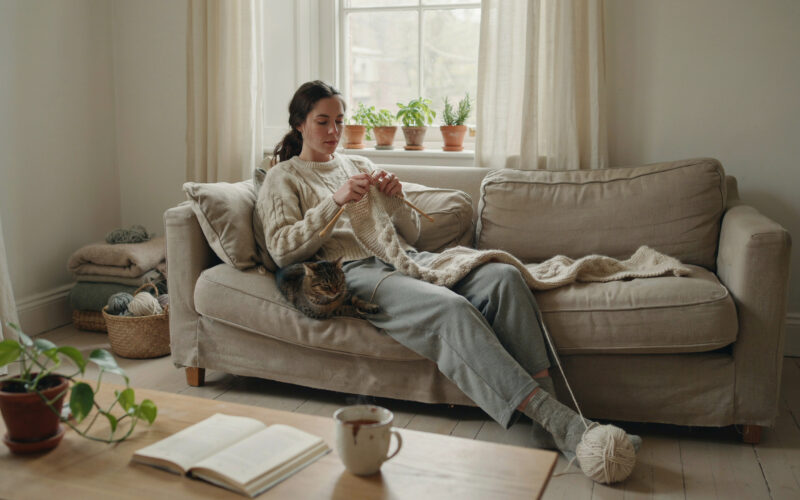
There is something deeply soothing about hobbies with a repetitive, tactile quality, which is why activities like knitting, crocheting, or working on puzzles are so popular for relaxation. The rhythmic, hands-on nature of these pursuits occupies the hands and a portion of the mind in a meditative way, easing tension and quieting anxious thoughts. Many people find that this kind of gentle, repetitive focus is especially good at helping them unwind, offering a calming rhythm that carries them out of a stressed state and into a settled one.
Mindful movement and quiet reading
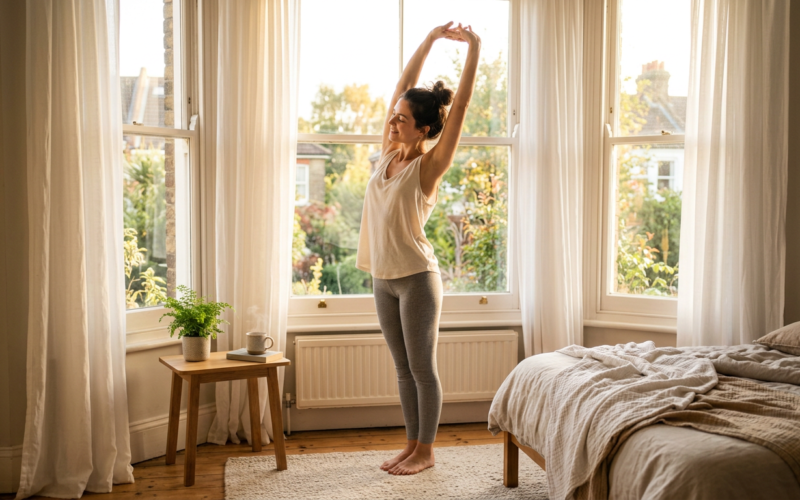
Some relaxing hobbies work through gentle movement, such as yoga or unhurried walks, which combine physical activity with a mindful, present focus that relieves both bodily and mental tension. Others, like reading for pleasure, offer escape and absorption, letting you disappear into a book and leave your worries behind for a while. Whether through gentle movement or quiet immersion, these activities share the same virtue of drawing you calmly out of stress. The best relaxing hobby is simply the one you genuinely enjoy and will return to.
Frequently asked questions
What are the best hobbies for stress relief?
Effective relaxing hobbies include creative pursuits like drawing, crafting, music, and writing, nature-based activities like gardening, tactile repetitive hobbies like knitting and puzzles, mindful movement like yoga and walking, and reading for pleasure. What they share is the ability to absorb your attention gently and pull you into the present. The best one is whichever you genuinely enjoy and will return to.
Why do hobbies help reduce stress?
Relaxing hobbies reduce stress by shifting your attention away from worries into an absorbing, low-pressure activity, creating a gentle focus that quiets mental chatter and brings you into the present. This state is inherently calming. Unlike passive entertainment, hobbies also give a satisfying sense of creating or accomplishing something, which lifts mood, making them more restorative than mindless scrolling.
Are relaxing hobbies better than watching TV to unwind?
For many people, yes. While watching TV offers easy distraction, it is passive and can leave you feeling drained rather than restored. Relaxing hobbies provide active relaxation, engaging you gently while giving a sense of calm and accomplishment. This tends to be more genuinely restful and satisfying, though there is nothing wrong with enjoying both in balance.
What is a good relaxing hobby for beginners?
Beginner-friendly relaxing hobbies include coloring or simple drawing, tending houseplants or a small garden, easy knitting or puzzles, gentle walking, and reading for pleasure. These require little skill or equipment and deliver calming benefits quickly. Since the goal is enjoyment and relaxation rather than mastery, any low-pressure activity you find absorbing and pleasant makes an excellent starting point.
Unwind the restorative way
When stress weighs on you, a relaxing hobby offers something a screen cannot: genuine, active restoration. Whether through creativity, nature, repetitive crafts, gentle movement, or a good book, these absorbing activities quiet the mind and leave you feeling calmer and more accomplished. Choose one that appeals to you and let it become a regular refuge. For more ideas, see our guides on finding a hobby you love and fun outdoor activities, and for more on stress itself, our guide to lowering stress. Find more in the Recreation section.