Ghost Rider roaring back into the trending column always drags the motorcycle back into the cultural spotlight, flaming skull and all. Behind the on-screen mythology, though, there is a real and interesting story happening in the actual world of two wheels. The motorcycle is in the middle of a genuine revival, and the machines drawing new riders in look very different from the ones that lit up the movies.
Why motorcycles are having a moment
A new wave of interest is being driven by a mix of things: the appeal of a cheaper, nimbler way to get around crowded cities, a growing culture around riding as a hobby, and a fresh crop of approachable, stylish bikes. Motorcycling has shed some of its purely rebellious image and picked up a broader, more varied audience along the way.
The rise of the modern classic
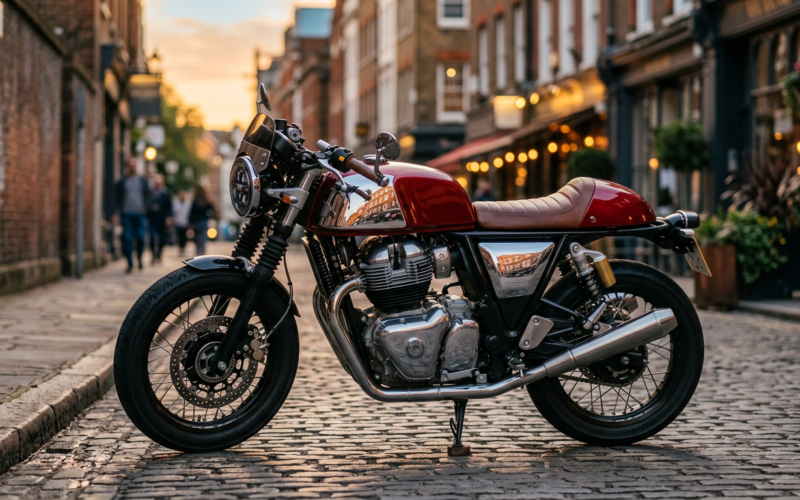
The hottest segment right now is the modern classic: bikes styled to look like their vintage ancestors but built with current engineering, brakes, and reliability. They deliver the timeless silhouette everyone loves with none of the maintenance headaches of an actual old machine. For new riders especially, they hit a sweet spot of looks, usability, and manageable power.
Electric enters the chat
Electric motorcycles have moved from curiosity to serious option. Instant torque makes them genuinely fun, and the near-silent ride is a different but compelling experience. Range and charging remain the sticking points for long trips, but for city commuting the electric motorcycle increasingly makes a strong case, and the technology is improving fast.
Choosing a first bike
The single most common mistake new riders make is buying too much motorcycle. A huge, powerful machine is intimidating and genuinely dangerous for a beginner. A smaller, lighter bike with modest power is easier to learn on, cheaper to insure, and more forgiving of mistakes. You can always upgrade once your skills catch up, and most experienced riders wish they had started smaller.
Gear is not optional
The oldest saying in motorcycling is dress for the slide, not the ride. A proper helmet, armored jacket, gloves, and sturdy footwear are the difference between a scary moment and a trip to the hospital. Good gear is an investment, but it is the least negotiable purchase in the entire hobby. No amount of confidence substitutes for protection.
Training changes everything
The best money a new rider spends is on a proper training course. Structured instruction teaches the counterintuitive skills, like counter-steering and emergency braking, that keep riders alive, and it builds good habits before bad ones form. Many regions offer certified courses, and completing one often lowers insurance costs too. It is the highest-value step a beginner can take. Our look at iconic movie cars covers the four-wheeled side of screen machines.
The ongoing costs to plan for
Beyond the purchase price, budget for insurance, gear, maintenance, and eventually tires and consumables. Motorcycles are generally cheaper to run than cars, but they are not free, and skimping on maintenance is dangerous rather than merely inconvenient. Going in with a clear picture of the real running costs prevents unpleasant surprises down the road.
Is riding right for you?
Motorcycling offers a freedom and engagement that few other forms of transport match, but it demands respect, ongoing skill development, and honest awareness of the risks. For the right person it becomes a genuine passion. The key is entering it clear-eyed: trained, geared up, on an appropriate bike, and committed to riding within your limits as they grow.
Frequently Asked Questions
What kind of motorcycle should a beginner buy?
A smaller, lighter bike with modest power. It is easier to learn on, safer, and cheaper to insure, and you can upgrade later as your skills improve.
Are electric motorcycles worth considering?
For city commuting, increasingly yes. They offer instant torque and a quiet ride, though range and charging still limit them for long trips.
What is a modern classic motorcycle?
A bike styled like a vintage model but built with current engineering and reliability. It offers timeless looks without the upkeep of a genuine old machine.
How much should I spend on gear?
Enough for a quality helmet, armored jacket, gloves, and proper footwear. Gear is the least negotiable purchase in motorcycling and protects you in a crash.
Do I need a training course?
Strongly recommended. A certified course teaches life-saving skills, builds good habits, and often lowers your insurance costs.
Are motorcycles cheaper to own than cars?
Generally yes, but not free. Budget for insurance, gear, maintenance, and consumables, and never skimp on upkeep since it affects safety.