Sean Grayson, the former Sangamon County sheriff’s deputy convicted of killing Sonya Massey in her own kitchen, died in prison on Sunday. He was 32 and roughly seven months into a 20 year sentence. His attorney confirmed the death and declined to say more.
No cause has been officially released. Grayson had been diagnosed with colon cancer before the 2024 shooting, and at his sentencing his lawyers told the court it had spread to his liver and lungs.
What Happened to Sonya Massey
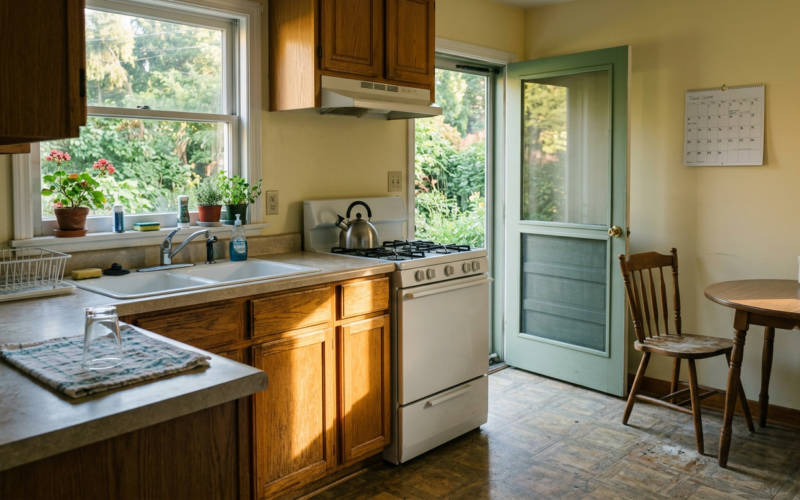
Massey called 911 in July 2024 because she believed there was a prowler outside her Springfield home. Grayson and another deputy responded. What began as a welfare check ended with Grayson shooting her in the face in her own kitchen.
The detail that made the case national was that she called them. She was the person seeking help, and the encounter escalated over a pot of water on her stove. Body camera footage released weeks later showed the exchange, and the gap between what she asked for and what she got is why the case stayed in the news for two years.
The Conviction and the Sentence
A jury convicted Grayson of second degree murder in October 2025. He had been charged with first degree murder, and the lesser conviction turned on the jury accepting that he believed he faced danger while finding that belief unreasonable.
In January 2026 he received 20 years, the maximum available for the conviction. Prosecutors had asked for it. The Massey family had argued the first degree charge fit the facts, and the split verdict left them describing the outcome as partial rather than complete.
What His Death Does and Does Not Change
The criminal case is over and cannot be revisited. Any appeal Grayson had pending dies with him, and in many jurisdictions a conviction under appeal can be vacated when a defendant dies before it is resolved, a doctrine that varies by state and would need to be sorted out here.
What continues is everything outside the criminal case. The civil settlement with Sangamon County is a separate matter with separate obligations, and questions about how the county hired and supervised him do not resolve because he is gone.
The Hiring Record Is the Bigger Story
Grayson worked for six law enforcement agencies in four years before Sangamon County hired him. He had two prior driving under the influence convictions. That employment history was public and available, and he was hired anyway.
That is the part of this case with implications past one deputy and one family. Officers who move rapidly between small departments are a known pattern in policing, and the mechanisms for flagging them are inconsistent from state to state and often nonexistent between them.
What the Family Has Said
The Massey family has been consistent for two years that the case was never only about Grayson. Their public focus has stayed on the systems that put him in a patrol car and on what changes at the county and state level, which is a harder and slower fight than a single prosecution.
Whatever they say about his death, it does not undo what happened. A conviction and a sentence were the closest thing the legal system had to offer, and one of those has now ended early through circumstances nobody controlled.
Where Sangamon County Stands
The sheriff who hired Grayson resigned in the aftermath. The county has faced sustained pressure over its hiring practices and its handling of the initial response, and the scrutiny extended past the individual case into how the department operates.
Whether any of that produced durable change is the open question, and it is the one worth following now that the criminal proceeding is finished. Institutional accountability tends to fade once the individual case closes, a pattern our reporting on the Stars and Stripes firings examined in a very different setting.
Why the Case Resonated
Massey’s case cut through partly because of the specific facts and partly because of who she was in the encounter. She was not a suspect. She was a caller. The distance between the situation she described on the phone and the outcome in her kitchen is what people responded to.
It also arrived at a moment when the national conversation about policing had cooled from its 2020 peak, and it demonstrated that the underlying questions had not been settled so much as set down.
What to Watch Next
Watch for an official cause of death, which usually follows within days or weeks. Watch whether any appeal was pending and how the court handles it. And watch the civil track, which is where remaining accountability now sits.
Longer term, watch whether Illinois moves on officer hiring and decertification rules. That is the piece of this that could outlast every individual in it, and it is the change the family has spent two years asking for.
Frequently Asked Questions
How did Sean Grayson die?
No cause has been officially released. He died in prison on Sunday, August 23, 2026. He had colon cancer diagnosed before the shooting that his attorneys said had spread to his liver and lungs.
What was he convicted of?
Second degree murder, in October 2025. He had been charged with first degree murder. He was sentenced in January 2026 to 20 years, the maximum for that conviction.
What happened to Sonya Massey?
She called 911 in July 2024 reporting a possible prowler at her Springfield, Illinois home. Grayson responded and shot her in the face in her kitchen during the encounter.
Does his death affect the civil case?
The civil settlement with Sangamon County is a separate matter with separate obligations and does not end because Grayson died. The criminal case is over.
Why was his hiring controversial?
He had worked for six law enforcement agencies in four years and had two prior driving under the influence convictions before Sangamon County hired him.
What has the family focused on?
The Massey family has consistently pointed past Grayson toward the hiring and supervision systems that placed him in a patrol car, and toward changes at the county and state level.