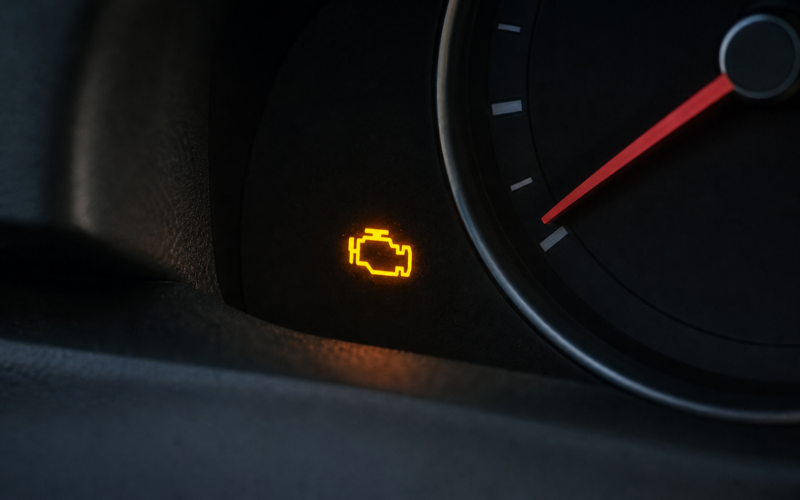
Few dashboard warnings inspire as much instant anxiety as the check engine light. It glows to life with no explanation, offering no clue as to whether you have a trivial problem or an expensive disaster on your hands, and that uncertainty is exactly what makes it so stressful. The reassuring reality is that a check engine light is often triggered by something minor and inexpensive, and even when it is more serious, understanding what the light is telling you puts you in a far better position to respond calmly and avoid unnecessary repair costs.
The check engine light is part of your car’s onboard diagnostics system, which constantly monitors the engine and emissions components and illuminates the light when it detects a problem. It is not a signal to panic, but it is a signal not to ignore. This guide explains what the light means, the difference between a steady and a flashing light, the most common causes, and exactly what you should do when it comes on.
Steady versus flashing: the crucial difference
The single most important thing to notice is whether the light is steady or flashing, because the two mean very different things. A steady, illuminated check engine light indicates a problem that should be diagnosed soon but is usually not an emergency, so you can typically keep driving carefully while you arrange to have it checked. A flashing check engine light, by contrast, signals a serious problem, often a severe engine misfire that can quickly damage expensive components like the catalytic converter. If your light is flashing, you should reduce speed, drive as little as possible, and have the car checked immediately. Recognizing this distinction is the most valuable thing you can take from this guide.
The most common causes
A check engine light can be triggered by a wide range of issues, but a handful account for the majority of cases. Surprisingly often, the culprit is something as simple as a loose or faulty gas cap, which affects the fuel system’s pressure. Other frequent causes include a failing oxygen sensor, worn spark plugs or ignition components causing misfires, a problem with the mass airflow sensor, or issues with the catalytic converter. Many of these relate to the emissions system, which is closely monitored, and resources like the Environmental Protection Agency at EPA.gov explain how vehicle emissions systems work. The range of causes is exactly why a proper diagnosis matters.
What to do when the light comes on
Your response should be measured rather than panicked. First, if the light is steady, check something quick and free: make sure your gas cap is tight, since a loose one is a common and easily fixed trigger, and the light may turn off on its own after a few drives once it is secured. Beyond that, the real answer is to have the trouble codes read, since the diagnostics system has stored a specific code identifying the problem. Many auto parts stores will read these codes for free, or you can use an inexpensive code reader yourself. That code tells you and your mechanic exactly where to look, which prevents guesswork and unnecessary repairs.
Do not simply ignore it
It is tempting to ignore a check engine light, especially when the car seems to be running fine, but this is usually a costly mistake. A small problem left unaddressed can worsen over time and turn an inexpensive fix into a major repair, and an unresolved emissions issue will also cause you to fail an inspection. Even when everything feels normal, the light indicates that the car’s own monitoring system has detected something worth attention. Getting the codes read promptly, even if you do not fix the issue immediately, at least tells you how urgent it is so you can plan accordingly rather than being caught off guard.
Frequently asked questions
Why is my check engine light on?
It can be triggered by many issues, but common causes include a loose or faulty gas cap, a failing oxygen sensor, worn spark plugs or ignition parts, a mass airflow sensor problem, or a catalytic converter issue. Your car’s diagnostics system stores a specific code identifying the problem, so having that code read, often free at an auto parts store, is the reliable way to know the actual cause.
Is it safe to drive with the check engine light on?
It depends on whether the light is steady or flashing. A steady light usually means a problem that should be checked soon but is not an emergency, so careful driving is generally fine while you arrange a diagnosis. A flashing light signals a serious issue, often a severe misfire, so you should reduce speed, drive as little as possible, and have the car checked immediately to avoid costly damage.
Can a loose gas cap cause the check engine light?
Yes, surprisingly often. A loose, damaged, or missing gas cap affects the fuel system’s pressure and is one of the most common and easily fixed triggers for the check engine light. If your light comes on, tightening the gas cap is a quick, free first step. The light may turn off on its own after a few drives once the cap is properly secured.
How do I find out what is wrong when the light is on?
Have the trouble codes read, since the diagnostics system stores a specific code pinpointing the problem. Many auto parts stores read these codes for free, or you can use an inexpensive code reader yourself. That code tells you and your mechanic exactly where to look, preventing guesswork and unnecessary repairs. It is the single most useful step in diagnosing a check engine light.
Do not fear the light, understand it
A check engine light is a prompt, not a verdict. By noting whether it is steady or flashing, checking the simple things like your gas cap, and getting the trouble codes read, you can respond calmly and appropriately rather than panicking or ignoring it. Understanding the light is what keeps a minor issue from becoming a major one. For more, see our guides on the car maintenance schedule and how often to change your oil. Find more in the Automotive section.