Feeding a family well on a tight budget is one of those challenges that sounds simple until you are standing in the grocery store watching the total climb with every item you add to the cart. The pressure is real, and the advice you usually hear, which amounts to buy cheap and cook at home, is true but frustratingly incomplete. Eating cheaply without either living on instant noodles or spending your entire evening in the kitchen takes a bit of strategy, and the strategy is very learnable.
The households that consistently eat well for less are not necessarily better cooks. They have simply built a set of habits around how they shop, what they keep on hand, and how they turn inexpensive ingredients into meals a family actually looks forward to. None of it requires coupons, extreme frugality, or sacrificing flavor. It requires knowing where your money goes and making a handful of deliberate choices.
The mindset that changes everything
Before any specific tip, there is a shift in thinking that does most of the work. The goal is not to find the single cheapest thing to eat, which is a fast road to boredom and burnout, but to get the most nourishment and satisfaction out of every dollar you spend. That reframing pushes you toward ingredients that are inexpensive and versatile and filling all at once, rather than whatever happens to be on the clearance shelf. It also makes you value your time, because a meal that is cheap but takes ninety minutes on a weeknight has a hidden cost that matters when you are tired and hungry.
The cheapest proteins that still satisfy
Protein is usually the most expensive part of any meal, which makes it the smartest place to save. Dried beans and lentils are the undisputed champions here, offering an enormous amount of protein and fiber for pennies per serving, and they anchor everything from chili to soups to hearty grain bowls. Eggs remain one of the best values in the entire store, equally at home in a frittata for dinner as they are at breakfast. Among meats, whole chickens, chicken thighs, and tougher cuts meant for slow cooking deliver far more food per dollar than premium cuts, and canned fish like tuna and sardines is cheap, shelf-stable, and genuinely useful.
A quiet trick the frugal have always known is to treat meat as a flavoring rather than the entire event. A single pound of ground beef stretched with beans, lentils, or rice can feed a family generously, where that same pound served as burgers would barely go around. You lose nothing in satisfaction and gain several servings.
Let pantry staples carry the load
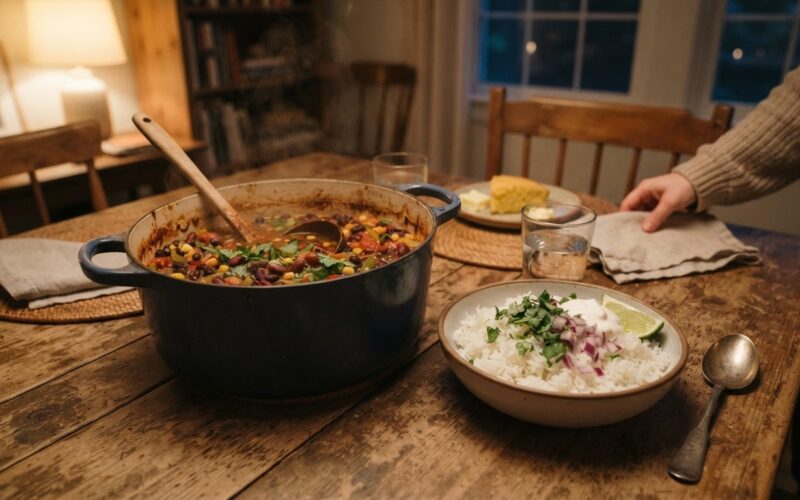
The backbone of affordable cooking is a well-stocked pantry of cheap, filling staples. Rice, pasta, potatoes, oats, and dried beans cost very little, keep for ages, and form the base of countless meals. Building dinners around these and then adding smaller amounts of protein and vegetables is how you keep costs down without anyone feeling shortchanged. A pot of rice and beans dressed up with the right spices and a handful of fresh toppings can be genuinely crave-worthy, and it costs a fraction of what a comparable restaurant meal would.
Frozen vegetables deserve a special mention, because they are often cheaper than fresh, never go bad on you before you use them, and are just as nutritious. Buying them means you always have a vegetable on hand and you stop throwing money in the trash in the form of forgotten, wilted produce.
Cook once, eat twice, waste nothing
Some of the biggest savings come not from what you buy but from how you use it. Cooking in larger batches costs little extra in time or energy and gives you a second meal, whether that is leftovers for lunch or a planned dinner later in the week. Roasting a whole chicken can quietly become three meals, with the meat feeding the first dinner, the rest going into a soup or tacos, and the carcass simmered into a stock that costs nothing and makes the next pot of soup taste like something you would pay for.
Wasting less food is, in effect, a raise. The average household throws away a striking amount of what it buys, so a little planning around using up what is in the fridge before it turns, and keeping a loose sense of how leftovers will be reused, puts real money back in your pocket without any additional shopping.
Shop with a plan, not an appetite
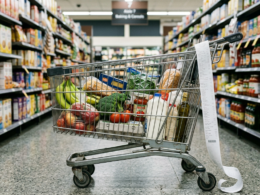
How you shop matters as much as what you buy. Walking in with a rough meal plan and a list keeps you out of the impulse purchases that quietly wreck a budget, and shopping after you have eaten rather than while hungry does the same. Store brands are very often identical to name brands in everything but price, and buying staples like rice and dried beans in larger quantities lowers the cost per serving considerably. Checking the price per unit rather than the sticker price reveals which size is genuinely the better deal, which is not always the one that looks cheapest at a glance.
Frequently asked questions
What is the cheapest meal to feed a family?
Meals built on beans, rice, pasta, or potatoes are the most economical, especially when a small amount of protein and vegetables is added for balance. Dishes like bean chili, lentil soup, fried rice, and baked potatoes with toppings feed a family generously for very little, and because they are so adaptable, they rarely feel repetitive when you change up the seasonings and add-ins.
How can I save money on groceries without eating unhealthy food?
Focus your spending on inexpensive whole foods rather than cheap processed ones. Dried beans, lentils, eggs, oats, frozen vegetables, and in-season produce are all affordable and nutritious. Cooking from scratch, buying store brands, and planning meals to use ingredients fully lets you eat healthfully for far less than a diet built on convenience foods, which are often both pricier and less filling.
Is it cheaper to meal plan?
Almost always, yes. A meal plan turns shopping into a deliberate act rather than a hopeful one, which cuts impulse buys and food waste at the same time. When you know exactly what you are making, you buy only what you need, use what you buy, and stop spending on last-minute takeout because there was nothing in the house to eat.
How do I stretch meat to feed more people?
Treat meat as one component rather than the main event. Bulk it out with beans, lentils, rice, or extra vegetables in dishes like chili, stir-fries, soups, and casseroles, where a single pound can comfortably serve a whole family. Choosing cheaper cuts and cooking them slowly also yields more tender, flavorful food for less money.
Eat well, spend less, and keep your evenings
A tight grocery budget does not have to mean grim, joyless dinners. With a pantry built on affordable staples, a habit of stretching proteins and cooking in batches, and a plan that keeps impulse spending in check, you can put satisfying meals on the table night after night for a fraction of what you might expect. For nights when time is as tight as the budget, our easy 30-minute dinner recipes and meal prep guide pair perfectly with this approach, and there is plenty more waiting in the Food and Recipes section.