
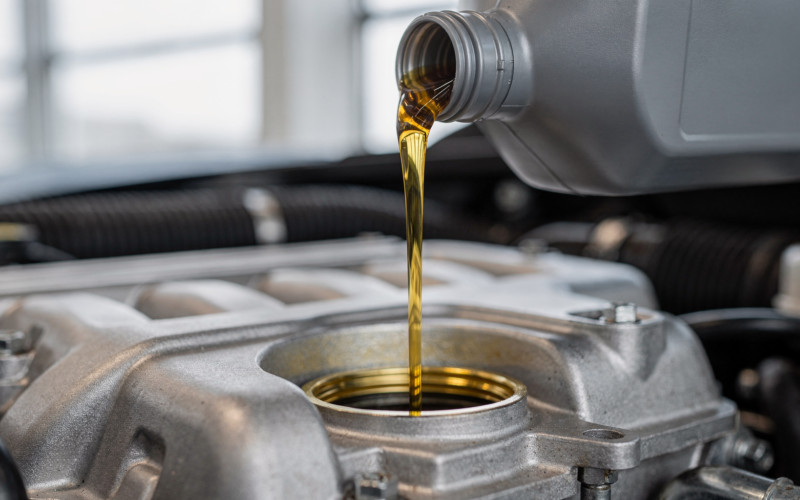
Ask ten people how often you should change your oil and you may get ten different answers, most of them anchored to a rule that has not been accurate for years. The old advice to change your oil every three thousand miles is deeply ingrained, repeated by quick-lube shops and remembered from a parent’s era, but it simply does not reflect how modern engines and oils work. The result is that a great many people change their oil far more often than necessary, wasting money and creating needless waste, while others are unsure and anxious about getting it wrong.
The honest answer is that it depends on your specific car and how you drive it, but that does not mean it is complicated. There is a clear, reliable way to know the right interval for your vehicle, and understanding the factors involved lets you keep your engine healthy without overspending. This guide cuts through the confusion and gives you a straightforward answer.
Why the 3,000-mile rule is outdated
The three-thousand-mile guideline made sense decades ago, when engines and motor oils were far less advanced than they are today. Modern engines are built to tighter tolerances and modern oils, especially synthetics, last considerably longer while providing better protection. As a result, most newer vehicles are designed to go much further between oil changes than older cars ever could. Clinging to the old rule means changing your oil two or three times more often than your car actually needs, which wastes money and generates unnecessary used oil. The rule persists largely because it benefits the businesses that sell oil changes, not because your engine requires it.
What modern intervals actually look like
For most modern vehicles, the real interval falls somewhere in the range of five thousand to seven thousand five hundred miles, and cars using full synthetic oil can often go even longer, sometimes ten thousand miles or more. That said, these are general figures, and the single most reliable source for your specific car is its owner’s manual, which lists the manufacturer’s recommended interval for both normal and severe driving conditions. Many newer cars also have an oil-life monitoring system that tracks your actual driving and tells you when a change is due, which is more accurate than any fixed mileage rule. Government resources like FuelEconomy.gov also emphasize following your manufacturer’s maintenance schedule.
The factors that shift the interval
Several things determine whether you should change your oil at the shorter or longer end of the range. The type of oil matters most, since full synthetic lasts significantly longer than conventional oil. Your driving conditions matter too, and here is a counterintuitive point: lots of short trips, stop-and-go traffic, extreme temperatures, towing, or dusty conditions actually count as severe driving that calls for more frequent changes, even though it feels gentle. Long highway cruising, by contrast, is easier on oil. Your vehicle’s age and the manufacturer’s specific requirements round out the picture. Matching your interval to your actual oil type and driving habits is how you get it right.
Why oil changes matter in the first place
It helps to remember why this maintenance matters, because it makes the case for not skipping it. Engine oil lubricates the many moving parts inside your engine, reduces friction and heat, and carries away contaminants, all of which keep the engine running smoothly and prevent expensive wear. Over time, oil breaks down and becomes dirty, losing its ability to protect. Neglecting oil changes is one of the surest ways to shorten an engine’s life and invite costly repairs. Changing it on the right schedule is cheap insurance for one of the most expensive components of your car, which is exactly why getting the timing right matters.
Signs you may be overdue
While you should follow a schedule rather than wait for symptoms, a few warning signs suggest an oil change is overdue and should not be ignored. Dark, gritty oil on the dipstick, an oil-change or check-engine indicator on your dashboard, unusual engine noises, or a burnt-oil smell all warrant attention. If it has been a long time or many miles since your last change and you are unsure, it is wise to check. Ultimately, keeping a simple record of when you last changed your oil, and following your manual or oil-life monitor, keeps you from ever having to guess.
Frequently asked questions
How often should I really change my oil?
For most modern vehicles, every five thousand to seven thousand five hundred miles, with full synthetic oil often lasting even longer. The old three-thousand-mile rule is outdated. The most reliable guide is your owner’s manual, which lists your car’s specific recommended interval, or your vehicle’s oil-life monitoring system if it has one, since that tracks your actual driving conditions.
Is the 3,000-mile oil change rule still true?
No, it is outdated for modern cars. It made sense decades ago with older engines and oils, but today’s engines and especially synthetic oils last far longer. Following the old rule means changing your oil two or three times more often than necessary, wasting money and creating waste. Your owner’s manual reflects what your specific car actually needs.
Does synthetic oil last longer between changes?
Yes, full synthetic oil generally lasts significantly longer than conventional oil and provides better protection, which is why cars using it can often go ten thousand miles or more between changes. That said, you should still follow your manufacturer’s recommended interval for your specific vehicle and adjust for severe driving conditions rather than assuming the maximum figure applies to you.
What counts as severe driving for oil changes?
Counterintuitively, gentle-feeling driving is often the hardest on oil. Frequent short trips, stop-and-go traffic, extreme hot or cold temperatures, towing, and dusty conditions all count as severe driving that calls for more frequent oil changes. Long, steady highway driving is easier on oil. If most of your driving fits the severe category, use the shorter interval in your owner’s manual.
Change it on the right schedule, not the old one
The right oil change interval is not a mystery, and it is almost certainly longer than the outdated three-thousand-mile rule suggests. Check your owner’s manual or oil-life monitor, factor in your oil type and driving conditions, and you will protect your engine without wasting money. For more, see our guides to the car maintenance schedule and why your check engine light is on. Find more in the Automotive section.







Comments 1
Comments are closed.